



When people search for types of braces on teeth, it is often after living with alignment concerns for years. Many patients I consult share similar feelings, they avoid wide smiles in photos, cover their mouth while laughing, or feel conscious because of crowded teeth, gaps or uneven alignment. Some tell me their teeth look fine at rest, but feel awkward or uncomfortable the moment they smile.
Concerns about pain, visibility or being “too old” for braces come up in almost every consultation. Many patients hesitate for years due to worries about discomfort, long treatment time, frequent visits or how braces may look while smiling. In most cases, with proper planning, these concerns can be managed comfortably.
During my consultations, these concerns come up repeatedly. Questions about pain, visibility or being “too old” for braces are very common. It is also natural to worry about discomfort, long treatment duration, frequent visits, or how braces might look while smiling. With proper planning and the right type of braces, most of these concerns can be managed comfortably and in a predictable manner.
Table of Contents
What Are Teeth Braces and Why Are They Used?
Teeth braces are orthodontic appliances used to gradually correct the position of teeth and improve how they function together. In simple terms, dental braces treatment works by applying gentle, controlled pressure over time, allowing teeth to move into healthier and more balanced positions.
From years of treating patients with braces, I often explain to patients that the purpose of dental braces is not limited to improving appearance. They help improve bite alignment, make chewing easier and support long-term oral health by straightening teeth.
Properly aligned teeth are easier to clean and less likely to develop tooth decay or gum problems.
Dental braces on teeth are commonly recommended to correct conditions such as:
- Crooked teeth – Teeth are rotated or tilted out of position
- Gaps between teeth – May trap food and affect speech
- Overbite or underbite – Upper and lower teeth do not meet correctly
- Crowding – Insufficient space causes teeth to overlap
Types of Braces on Teeth
Different types of braces for teeth are designed to address different alignment problems, age groups, comfort levels and lifestyle needs. The right choice always depends on a careful evaluation of teeth position, bite, jaw structure and patient expectations.
Below is a clear, experience-based explanation of the different types of braces, how they work and who they are most suitable for.
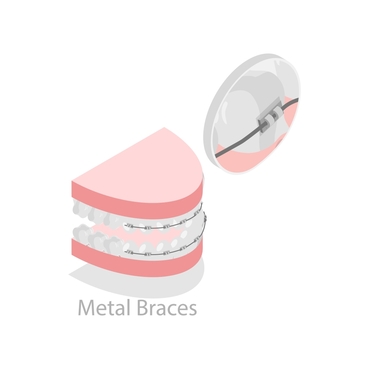
Metal Braces
Metal braces on teeth are the most traditional and widely used orthodontic option. They consist of stainless-steel brackets attached to the teeth and connected by a wire that is adjusted periodically.
Despite newer options, metal braces remain the most dependable choice for achieving precise and controlled teeth movement, especially in complex cases.
Best suited for:
- Moderate to severe crowding
- Significant overbite or underbite
- Rotated or widely misaligned teeth
- Teenagers and patients needing strong correction
Benefits of metal braces:
- High treatment accuracy: Metal braces allow precise control over tooth movement, making them effective for complex alignment and bite correction cases.
- Suitable for all severities: They work reliably for mild, moderate and severe orthodontic problems without limiting treatment possibilities.
- Durable and long-lasting: Strong brackets and wires reduce the risk of breakage during daily activities and long treatment durations.
- Consistent results: Fixed placement ensures continuous force, without depending on patient compliance or wear time.
- Cost-effective option: Compared to other systems, metal braces usually offer effective results at a more affordable cost.
- Proven long-term stability: Years of use show stable alignment results when treatment and retention are followed properly.
Limitations of metal braces:
- Visible appearance: Metal braces are clearly noticeable, which may concern patients focused on aesthetics.
- Initial discomfort: Mild soreness or pressure is common after adjustments, especially during early treatment stages.
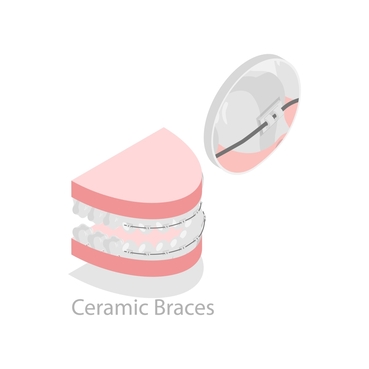
Ceramic Braces
Ceramic braces are an advanced form of fixed orthodontic appliances made using tooth-colored ceramic brackets combined with metal wires, designed to deliver accurate alignment while maintaining a more subtle appearance.
Best suited for:
- Moderate to severe crowding
- Significant overbite or underbite
- Rotated or widely misaligned teeth
- Teenagers and patients needing strong correction
Benefits of ceramic braces:
- Less noticeable appearance: Tooth-coloured brackets blend with natural teeth, making braces less visible during speaking, smiling and social interactions.
- Effective tooth movement: Ceramic braces provide controlled and predictable alignment results similar to metal braces in most orthodontic cases.
- Improved patient confidence: Reduced visibility often helps patients feel more comfortable and confident during the treatment period.
- Suitable for adult patients: Commonly preferred by adults who want orthodontic correction without the prominent metallic look.
- Smooth bracket design: Modern ceramic brackets are designed to improve comfort and reduce irritation to the lips and cheeks.
Limitations of ceramic braces:
- Higher maintenance needs: Ceramic brackets can stain if oral hygiene is poor or if staining foods are consumed frequently.
- Lower durability: Ceramic brackets are more fragile than metal and may break under excessive pressure or impact.
Ceramic braces are a good choice for patients seeking a balance between effective alignment and improved aesthetics, provided they are committed to proper care and follow-up.
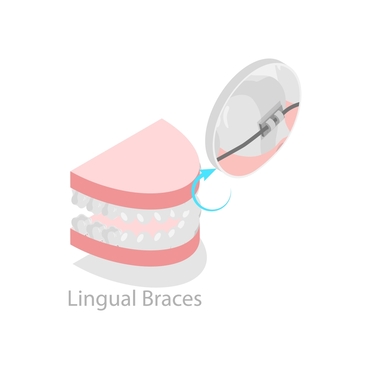
Lingual Braces (Hidden Braces)
Lingual braces are fixed orthodontic appliances made from metal brackets and wires, similar to traditional braces, but they are bonded to the inner surface of the teeth. Positioned behind the teeth, they remain hidden from view while still providing controlled and effective alignment.
Best suited for:
- Adults seeking completely hidden orthodontic treatment
- Professionals with high aesthetic concerns
- Patients with mild to moderate alignment issues
- Individuals comfortable with a short adjustment phase
Benefits of lingual braces:
- Completely hidden placement: Brackets sit behind the teeth, making them invisible while speaking or smiling, which suits patients who prefer discreet treatment.
- Fixed and precise correction: Being fixed braces, they provide continuous force and accurate tooth movement without depending on daily patient compliance.
- Effective for many cases: Lingual braces can correct crowding, spacing and certain bite issues when planned carefully.
- No visible staining risk: Since brackets are on the inner side, external staining is not a cosmetic concern.
- Customised fit: Lingual braces are tailored to individual tooth anatomy for better control and comfort.
Limitations of lingual braces:
- Initial speech difficulty: Temporary changes in speech may occur as the tongue adjusts to the brackets.
- Higher maintenance effort: Cleaning requires extra care due to limited visibility and access.
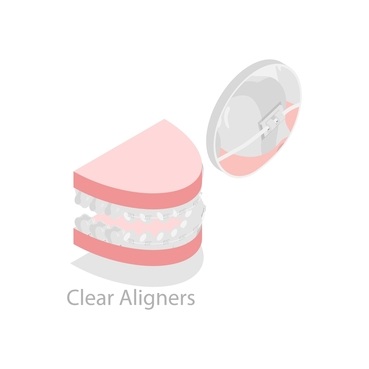
Invisible Braces / Clear Aligners
Invisible braces for teeth, commonly known as clear aligners, are custom-made orthodontic trays manufactured from medical-grade, transparent thermoplastic material. Each set of aligners is worn for a specific period before progressing to the next. These removable braces for teeth have changed how many adults approach orthodontic treatment, especially those with professional or social commitments.
Best suited for:
- Mild to moderate alignment issues
- Adults and working professionals
- Patients seeking discreet, removable treatment
- Individuals comfortable following strict wear schedules
Benefits of clear aligners:
- Highly discreet material: Transparent thermoplastic trays remain nearly invisible during wear, making them suitable for professional and social environments.
- Removable design: Aligners can be taken out during meals and oral hygiene routines, allowing easier brushing and flossing without obstruction.
- Improved comfort: Smooth plastic material reduces irritation to lips, cheeks and gums compared to brackets and wires.
- Planned tooth movement: Digital treatment planning allows precise, step-by-step control over tooth movement and treatment progression.
- No food restrictions: Since aligners are removed while eating, patients can continue their normal diet without concern for breakage.
Limitations of clear aligners:
- Strict compliance required: Aligners must be worn for 20-22 hours daily to maintain effective tooth movement.
- Limited for complex cases: Severe crowding or major bite issues may require fixed orthodontic appliances.
Coloured Braces
Coloured braces are traditional metal braces combined with coloured elastic modules placed over the brackets. These colours for teeth braces allow personalisation without changing how the braces function.
Best suited for:
- Teenagers and young adults
- Patients using metal braces
- Individuals who enjoy personal expression
Benefits of coloured braces for teeth:
- Personal customisation: Patients can choose different colours at each visit, making orthodontic treatment more engaging and enjoyable.
- Same clinical effectiveness: Colour modules do not affect tooth movement or treatment results in any way.
- Motivation during treatment: Younger patients often stay more involved and positive throughout longer treatment durations.
- Easy colour changes: Colours can be changed regularly without altering the braces system.
Limitations of coloured braces:
- Visible appearance: Coloured braces remain noticeable, which may not suit patients seeking discreet orthodontic treatment.
- Staining risk: Certain colours may stain if oral hygiene is poor.
Braces for Different Teeth Types and Alignment Problems
Teeth alignment problems do not look the same in every patient, which is why braces are never selected using a fixed rule.
In some patients, uneven alignment or bite problems can cause tooth pain while chewing, which makes choosing the right braces and treatment approach important.
Check the table below that compares these alignment problems based on causes, concerns and orthodontic treatment approach:
Crowded Teeth vs Spaced Teeth
Crowded teeth occur when there is insufficient space in the jaw, causing teeth to overlap, while spaced teeth appear when excess space leads to gaps between teeth.
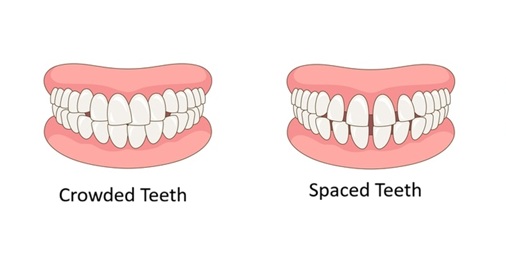
| Aspect | Crowded Teeth | Spaced Teeth |
| Common Causes | Small jaw size, genetics, delayed eruption | Jaw-to-tooth size mismatch, missing teeth, habits |
| Primary Concerns | Difficult cleaning, higher cavity risk, uneven appearance | Food trapping, speech issues, aesthetic concerns |
| Types of Braces Used | Metal braces, ceramic braces, lingual braces | Metal braces, ceramic braces, clear aligners |
| Role of Braces | Create space and guide teeth into proper alignment | Gradually close gaps and restore dental symmetry |
Overbite vs Underbite
An overbite occurs when upper teeth excessively overlap lower teeth, while an underbite is when lower teeth extend ahead of upper teeth.
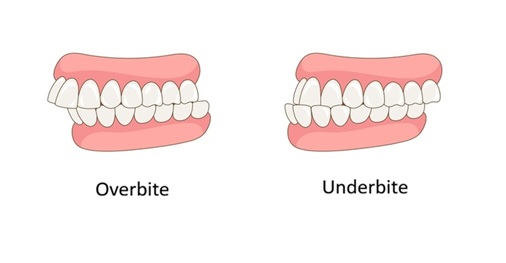
| Aspect | Overbite | Underbite |
| Common Causes | Jaw growth imbalance, habits, genetics | Skeletal discrepancies, jaw size differences |
| Primary Concerns | Tooth wear, jaw strain, bite discomfort | Chewing difficulty, jaw pain, facial imbalance |
| Types of Braces Used | Metal braces, ceramic braces, functional appliances | Metal braces, lingual braces, combined orthodontic approaches |
| Role of Braces | Reduce vertical overlap and balance bite | Reposition teeth to improve bite relationship |
Why do treatment plans differ for each patient?
Even when alignment problems appear similar, treatment plans differ based on severity, jaw structure, bite relationship, age and bone response. These factors determine the type of braces used, the force applied and the duration required for safe and stable correction.
How Long Do Braces Take to Work?
I often see patients return for their first follow-up feeling unsure because they don’t notice visible changes right away. In reality, braces treatment for misaligned teeth begins the moment they are placed.
During the first few weeks, teeth start responding to pressure internally, even though movement is gradual and not immediately visible but with time and regular follow-ups, these small internal changes slowly turn into visible and lasting improvement.
Best Age & Typical Treatment Timelines
Braces tend to work faster between 10 and 14 years, when jaw growth is still active and teeth respond more easily to orthodontic forces. In this age group, mild to moderate cases often complete treatment within 12 to 18 months.
In adults, teeth can be aligned safely at any age, but movement may be slightly slower because the bone is fully developed. Treatment in adult cases, especially with crowding or bite issues, commonly takes 18 to 24 months or longer.
Factors Affecting Treatment Duration
Treatment time depends on the severity of misalignment, the type of braces used, age, bone response and regular follow-up visits. Consistent care and oral hygiene also influence progress.
Side Effects of Braces
Side effects related to braces for teeth are usually mild and temporary. Listed below are the most commonly observed effects, explained simply and clearly.
- Temporary discomfort: Mild soreness, pressure, or jaw discomfort is common after braces are fitted or adjusted. This typically lasts a few days as teeth and supporting structures begin to shift.
- Gum sensitivity: Gums may feel tender or slightly swollen initially, especially if plaque accumulates around brackets. This improves with proper brushing and flossing.
- Minor irritation : Brackets or wires may rub against cheeks or lips in the early phase. Orthodontic wax reduces irritation, which can also help limit jaw tension that sometimes contributes to mild headaches.
Daily Care With Braces – What You Should Know
Braces make daily cleaning a little more important than usual. From regular follow-ups, it’s clear that small lapses in care can quickly lead to plaque buildup around brackets and wires.
A few simple daily habits can help keep teeth healthy throughout treatment.
- Brush carefully every day: Clean around brackets and wires at least twice daily, paying extra attention after meals to prevent plaque buildup.
- Floss daily: Use floss or interdental cleaners to reach between teeth and under wires where a toothbrush cannot clean effectively.
- Use mouthwash regularly: Rinsing once a day helps reduce bacteria, supports gum health, and protects areas that are difficult to clean with brushing alone.
Foods to Avoid With Braces
Certain foods can damage braces or slow progress.
- Sticky foods: Items like chewing gum and toffees can pull on brackets and loosen wires.
- Hard foods: Nuts, ice and hard candies may bend wires or break brackets.
- Sugary foods and drinks: Excess sugar increases plaque buildup, leading to stains and tooth decay around brackets.
When to See a Doctor?
Seeing a doctor for braces at the right time can make treatment easier and more effective. A consultation is recommended if you notice crooked or crowded teeth, gaps, bite problems, chewing discomfort, jaw pain or difficulty cleaning your teeth. Early evaluation helps plan the right type of braces and leads to safer treatment, better results, and long-term stability for both children and adults.
Conclusion
Over the years of treating patients I have noticed that those who do best with braces are not the ones who rush decisions, but the ones who understand the process. Choosing among the types of braces on teeth is less about trends and more about what suits your teeth, bite, age and daily routine.
Braces today are safe, well-tested, and highly effective when selected thoughtfully and followed with patience. Every smile responds at its own pace and steady progress always brings better, more stable results than shortcuts.
If alignment or bite concerns have been on your mind, a proper consultation can clear doubts and set realistic expectations. With the right guidance, orthodontic treatment becomes a smooth, well-managed process that improves long-term dental health, not just the appearance of your smile.
Frequently Asked Questions (FAQs)
Which type of braces on teeth is best?
The type of braces on teeth that works best depends on alignment problems, bite condition, age, and daily lifestyle. After a clinical evaluation, options such as metal braces, ceramic braces, lingual braces, or clear aligners on teeth may be recommended based on individual needs.
Is 25 too late for braces?
No, 25 is not too late for braces. Treatment success depends more on bone health, gum condition and consistency than age. Adult braces work safely with proper planning.
Do braces affect speech?
Braces may temporarily affect speech, especially lingual braces. Most patients adapt within a few days to weeks as the tongue and mouth adjust to the appliance.
Can braces affect your throat?
Braces do not affect the throat directly. Mild jaw or muscle discomfort may be felt initially, but throat-related issues are uncommon and usually unrelated to braces.
Can I use mouthwash with braces teeth?
Yes, mouthwash is recommended with braces. It helps reduce bacteria, plaque buildup and supports gum health, especially in areas difficult to clean with brushing alone.
Can I just brush my teeth with braces?
Brushing alone is not enough with braces. Flossing and mouthwash are essential to clean around brackets and wires and reduce the risk of tooth decay.
Do braces start working immediately?
Braces begin working as soon as they are placed. Tooth movement starts internally, though visible changes usually take several weeks to become noticeable.
What foods should I avoid with braces?
Sticky foods, hard foods and excessive sugary items should be avoided. These can damage brackets, bend wires and increase the risk of stains and tooth decay.
Do invisible braces work as well as regular braces?
Invisible braces work well for mild to moderate alignment issues when worn consistently. Severe or complex cases often require fixed braces for better control.
Do braces take longer to work in adults?
Braces may take slightly longer in adults because bone is fully matured. However, with good care and regular visits, results are effective and stable.
Can braces cause jaw pain or headaches?
Mild jaw discomfort or headaches can occur initially as the bite adjusts. These symptoms are usually temporary and settle as the mouth adapts.
Do braces hurt gums?
Gums may feel sensitive during early treatment or if hygiene is poor. With proper cleaning and care, gum discomfort usually improves quickly.
How long does braces pain last?
Braces-related discomfort typically lasts a few days after placement or adjustments. Pain gradually reduces as teeth and tissues adjust to the pressure.
Do braces weaken teeth?
Braces do not weaken teeth. When oral hygiene is maintained and treatment is monitored properly, teeth remain healthy and strong throughout orthodontic treatment.
