


Many people begin looking for the treatment for bleeding gums after noticing blood while brushing or flossing. Many patients I consult share the same concern, there is bleeding in gums without pain and they are unsure whether it is serious or temporary. From a dental point of view, it usually signals an underlying issue that needs timely attention rather than guesswork or delay.
In most cases, bleeding gums represent the earliest visible sign of gum disease, long before severe pain or tooth mobility develops. Years of clinical experience show that patients who seek care early respond better to treatment and avoid long-term complications affecting both gums and supporting bone.
This blog is written to provide clarity and reassurance by explaining why gums bleed, how to recognize warning signs and what truly works when it comes to professional care. By understanding the causes and choosing the right treatment, healthy gums can be restored and maintained with confidence.
Table of Contents
What Is Gums Bleeding?
Gums bleeding is not a disease on its own; it is a symptom that something is irritating or inflaming the gums. It can appear in different ways, some people notice it only once in a while, usually after brushing or flossing while some people see blood almost every day. Occasional bleeding may happen due to temporary irritation, but persistent bleeding often points to an ongoing gums bleeding problem that should not be ignored.
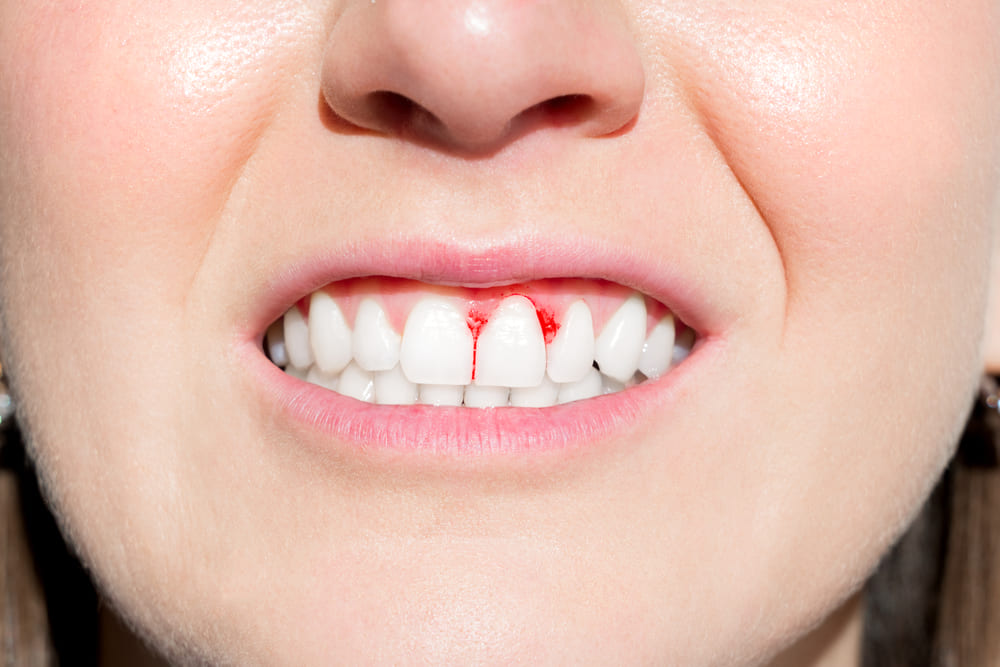
Bleeding gums while brushing is one of the most common signs patients mention during day-to-day consultations. This usually happens when plaque builds up along the gumline or when brushing techniques for healthy gums are not followed correctly. Using too much pressure or a hard toothbrush can also irritate the gums, even when there is no active infection.
Gums do not always hurt in the early stages of gum disease, which is why bleeding is often the first and sometimes the only warning sign. Paying attention to bleeding early allows timely care and helps prevent long-term damage to the gums and the tissues that support the teeth.
Causes of Bleeding Gums
The causes of bleeding gums are usually not sudden or mysterious. In most cases, they develop gradually due to daily habits, which is why many people are surprised when bleeding first appears.
- Plaque and tartar buildup: This is the most common cause of gums bleeding. Plaque forms on teeth every day and collects near the gumline. When it is not cleaned properly, it hardens into tartar. Tartar irritates the gums and makes them bleed easily, especially during brushing or flossing.
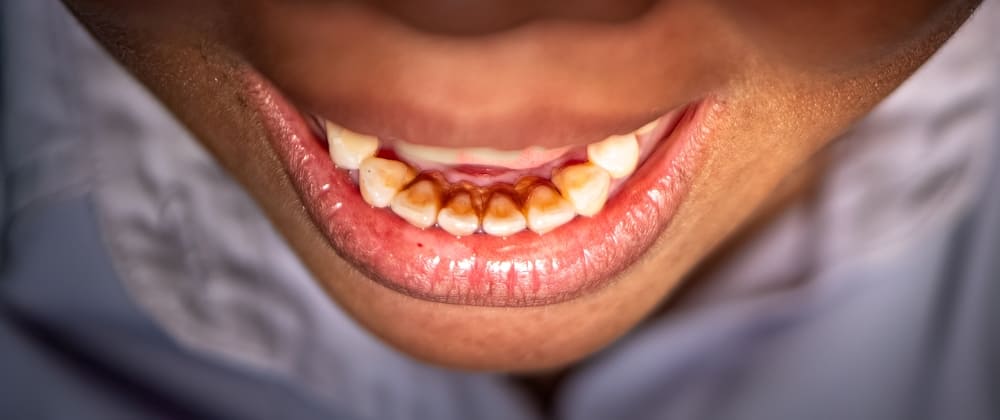
- Poor oral hygiene for bleeding gums: Irregular brushing, skipping flossing or cleaning only the front teeth allows bacteria to stay trapped around the gums. Over time, this leads to inflammation and a persistent gum bleeding problem that does not improve on its own.
- Aggressive brushing: Many patients believe brushing harder will keep their teeth cleaner. In reality, excessive pressure or incorrect brushing techniques for healthy gums can injure the soft gum tissue. This is often seen in people using hard-bristled brushes or scrubbing back and forth.
- Gingivitis and early infection: Gingivitis is an early stage of gum disease where gums become red, swollen and bleed easily. At this stage, there is usually little or no pain which is why it is often ignored. With timely gingivitis treatment, the condition is reversible.
- Vitamin deficiencies: Low levels of certain vitamins, especially vitamin C can weaken the gums and reduce their ability to heal. This makes the gums more sensitive and prone to bleeding, even with mild irritation.
- Smoking and lifestyle habits: Smoking reduces blood flow to the gums and slows healing. It can also hide early signs of gum disease, allowing the problem to progress quietly. Poor diet and high stress levels further increase the risk of ongoing gum bleeding.
In most cases, bleeding gums are not caused by a single issue, but by a combination of plaque buildup, daily oral care habits, lifestyle choices and early gum disease developing over time.
Early Signs and Symptoms of Gum Disease
Many patients I consult are surprised to learn they have a problem because the early symptoms of unhealthy gums often appear without pain or obvious discomfort.
In the early stages, gum disease is usually noticed through signs like:
- Bleeding gums: Bleeding is often the first sign something is wrong. During consultations, patients commonly mention noticing blood while brushing or flossing. This is an early warning and should not be ignored, even if it happens only occasionally.
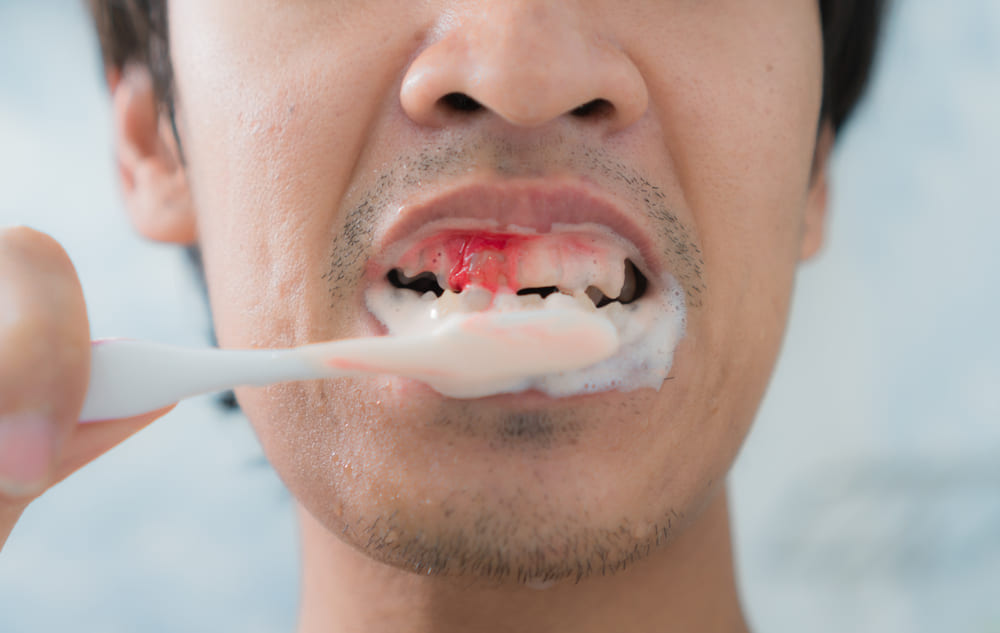
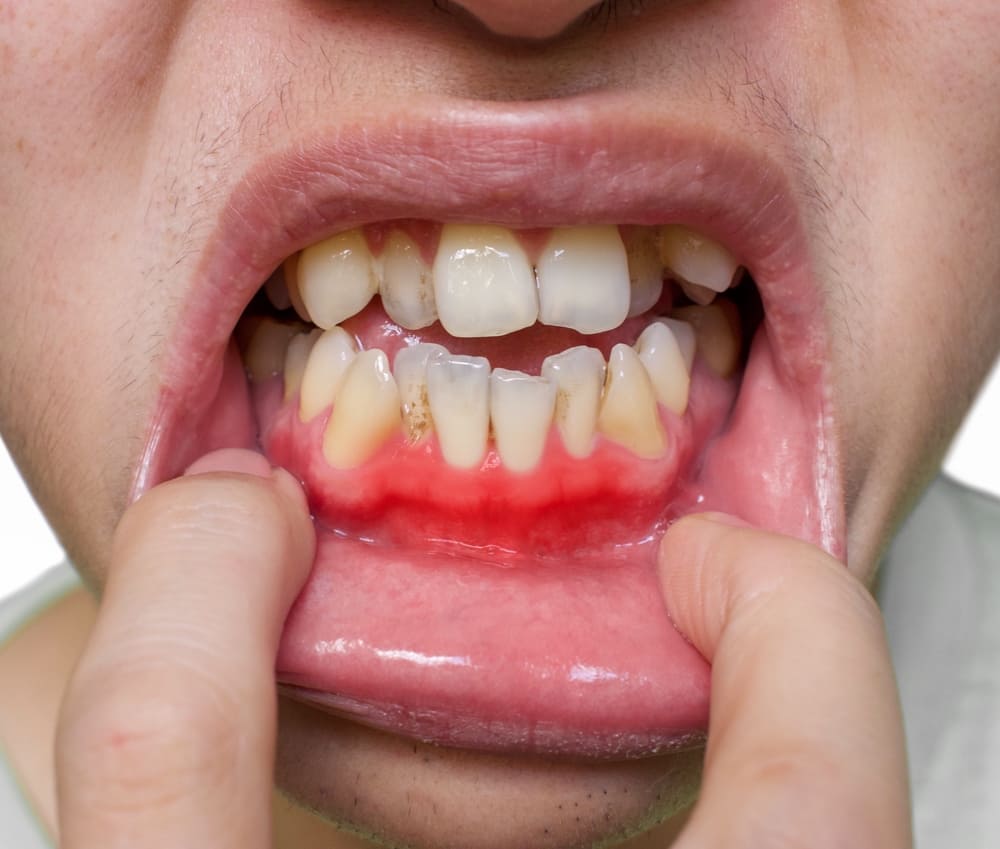
- Swollen, red gums: Healthy gums are firm and pale pink. When gums appear red, swollen or tender, it usually indicates inflammation. This change often develops gradually, which is why many people fail to notice it in the beginning.
- Bad breath: Persistent bad breath can be linked to bacteria trapped around the gums and that does not improve with regular brushing. An unhealthy mouth often produces odour due to ongoing inflammation or early gum disease.
- Gum recession: Receding gums make teeth look longer and can expose sensitive areas near the roots. This is a sign that the supporting gum tissue is weakening, often due to untreated gum disease over time.
Other signs of an unhealthy mouth include tenderness while chewing, a constant unpleasant taste or gums that bleed easily with light pressure. Addressing gum disease at this early stages helps keep treatment simple and protects the gums and teeth over time.
Treatment for Bleeding Gums: What Actually Works
The right treatment for gums bleeding depends on what is causing the problem and how far it has progressed. Treating early irritation is very different from managing infection or established gum disease.
How Bleeding Gums Are Diagnosed
Before deciding on any treatment, bleeding gums are looked at carefully to understand the real cause. During consultations the gums, teeth and nearby areas are checked together to get a complete picture of what’s happening.
Checking gum colour, shape and swelling: Healthy gums are usually firm and light pink. When gums look red, swollen or feel soft, it often points to inflammation. Bleeding points are checked gently to see how easily the gums bleed and whether it happens only while brushing or even with slight pressure.
Looking for plaque buildup or signs of infection: Plaque commonly settles near the gumline and between teeth. Over time, if it isn’t cleaned properly, it irritates the gums and can lead to infection. In some patients, hardened tartar or signs like pus make it clear that the problem has moved beyond simple irritation.
Measuring gum pockets: Healthy gums sit snugly around the teeth. When gums start pulling away, small pockets form underneath, trapping bacteria. Measuring these pockets helps understand whether the problem is still at an early stage or needs more focused care.
Dental Cleaning for Bleeding Gums
Bleeding often occurs because plaque and hardened deposits remain around the gumline for too long. Once these deposits are removed properly, the gums are no longer under constant irritation and are able to settle and heal.

Plaque forms every day and can usually be managed with good brushing. Tartar, however is hardened plaque and cannot be removed at home. This is something I often explain during consultations, as many patients assume brushing harder will solve the problem.
During cleaning, it is common to notice mild tenderness or slight bleeding, especially if the gums are already inflamed which usually settles quickly. With consistent oral care, many patients start noticing healthier gums and less bleeding within a week or two.
Scaling and Root Planing
When bleeding gums are linked to deposits below the gumline, scaling and root planing is advised.
This treatment cleans beneath the gums and smooths the root surfaces of the teeth. Smoother roots allow the gums to heal and sit more firmly against the teeth, reducing ongoing irritation.
In patients where gum pockets have started to deepen, this step often makes a noticeable difference. Healing happens gradually and with follow-up care, the gums usually become firmer and less prone to bleeding.
Laser-Assisted Gum Therapy
In selected cases, laser-assisted gum therapy may be included as part of treatment.
Lasers help target infected tissue and bacteria with precision, while keeping discomfort minimal. This approach can support healing, reduce bleeding and improve gum health in areas that are difficult to manage with instruments alone.
Laser treatment is not needed for everyone, but when used appropriately, patients often find it gentle and comfortable.
Medication Support (Only When Required)
Medication is advised only when there are clear signs of infection or persistent inflammation. Antibiotics help control bacterial infection, while topical gels reduce local irritation and support healing. These medicines work best when combined with proper dental treatment and follow-up care, rather than being used on their own.
After treatment focuses on removing the cause, consistent oral hygiene helps protect the gums and support long-term healing.
Oral Hygiene for Bleeding Gums: Dentist-Recommended Routine
After the treatment of bleeding from gums, maintaining good oral hygiene becomes an important part of recovery. Gentle, consistent daily care supports healing and helps prevent bleeding from returning, but it should always work alongside dental treatment.
Many patients ask what they should do at home once treatment has started. The focus should always be on gentle, consistent care rather than aggressive cleaning.
- Brush two to three times a day: Brushing regularly helps keep plaque under control and prevents further irritation to the gums.
- Use a soft toothbrush: A soft toothbrush cleans effectively without damaging inflamed gum tissue or causing additional bleeding.
- Floss once daily: Flossing removes plaque between teeth where brushes cannot reach, which supports gum healing.

- Saltwater rinse: Rinsing with lukewarm salt water can help soothe the gums and keep the mouth clean during healing.
- Use an antibacterial mouthwash: An antibacterial mouthwash can help reduce bacteria and support overall oral hygiene when used as advised.
Addressing the cause early, following the recommended treatment plan and maintaining good oral hygiene at home together make a clear difference. This combined approach helps control bleeding and protects long-term gum health.
Gum Bleeding Prevention: Protecting Your Gums Long-Term
With the right habits and timely care, many gum problems can be avoided before they turn into persistent or uncomfortable conditions.
- Routine dental checkups: Regular dental visits help catch early changes in gum health that may not be obvious at home. In consultations, I often see that patients who come in for routine checkups have fewer issues with recurring gum bleeding because problems are addressed early.
- Early intervention: Paying attention to small signs such as occasional bleeding while brushing can make a big difference. Addressing gum concerns early usually keeps treatment simple and prevents the condition from progressing into more serious gum disease.
- Healthy lifestyle choices: Daily habits play a strong role in gum bleeding prevention. Balanced nutrition, avoiding tobacco, managing stress and maintaining good oral hygiene for bleeding gums all support healthier gums over time.
Protecting gum health is a long-term effort. Consistent care, timely dental advice and healthy daily choices together help reduce the risk of bleeding gums and support lasting oral health.
Conclusion
Bleeding gums are often the body’s early way of asking for attention. Many patients I consult feel unsure about whether the problem is serious or temporary, especially when there is no pain. What matters most is not ignoring the sign and understanding that timely care makes a real difference. The right treatment for bleeding gums depends on identifying the cause early and addressing it with the appropriate dental care.
When gum problems are diagnosed at an early stage, treatment is usually simpler and more predictable. Delays, on the other hand, allow inflammation to progress quietly and make management more involved over time. This is why early diagnosis and proper evaluation are so important.
If you notice bleeding while brushing or flossing, consider it a reason to seek guidance rather than wait. With the right approach, professional reassurance and consistent care, gum health can be restored and maintained comfortably for the long term.
Frequently Asked Questions (FAQs)
How to stop bleeding gums?
Stopping bleeding gums starts with gentle brushing, daily flossing and proper dental cleaning. If bleeding continues, a dental examination is needed to remove plaque buildup and treat early gum disease.
What is the best treatment for bleeding gums?
The best treatment for bleeding gums depends on the cause and stage. Professional dental cleaning, treatment of gum inflammation and consistent oral hygiene together provide the most reliable and long-lasting results.
How to treat gum pain in children?
Gum pain in children is treated by improving oral hygiene, using a soft toothbrush and checking for infection or tooth eruption issues. Persistent pain should be evaluated by a dentist for proper diagnosis.
Can a gum infection cause a headache?
A gum infection can contribute to headaches due to inflammation, bacterial spread or pressure around facial nerves. Treating the infection and reducing inflammation often helps relieve related head discomfort.
Which deficiency causes sore gums?
Sore gums are commonly linked to vitamin deficiencies, especially vitamin C. Low levels can weaken gum tissue, reduce healing ability and increase sensitivity, making gums more prone to soreness and bleeding.
What vitamin are you lacking when your gums bleed?
Bleeding gums are often associated with vitamin C deficiency. This vitamin supports gum tissue strength and healing and low levels can make gums fragile and more likely to bleed.
What supplement stops bleeding gums?
Supplements like vitamin C may support gum health when a deficiency is present. However, supplements alone do not treat gum disease and should be used only alongside proper dental care.
What deficiency leads to bleeding gums?
Bleeding gums are most commonly linked to deficiencies in vitamin C and in some cases, vitamin K. These nutrients play a role in tissue repair and blood clotting within the gums.
Why do my gums bleed when I brush my teeth?
Gums often bleed during brushing due to plaque buildup, gum inflammation or improper brushing technique. Using a soft toothbrush and addressing early gum disease usually reduces bleeding over time.
Are bleeding gums a sign of serious gum disease?
Bleeding gums can be an early sign of gum disease, especially gingivitis. While early stages are reversible, ongoing bleeding may indicate progression and should be evaluated to prevent long-term damage.
Can stress cause bleeding gums?
Stress can weaken the immune response and affect oral hygiene habits, making gums more prone to inflammation and bleeding. Managing stress and maintaining consistent oral care helps protect gum health.
Is bleeding from gums common during pregnancy?
Hormonal changes during pregnancy can increase gum sensitivity and inflammation, leading to bleeding. Maintaining good oral hygiene and regular dental checkups helps manage pregnancy-related gum issues safely.
When should I see a dentist for bleeding gums?
A dentist should be consulted if gum bleeding occurs frequently, lasts more than a week or happens without obvious cause. Early evaluation helps prevent progression into more serious gum disease.
