


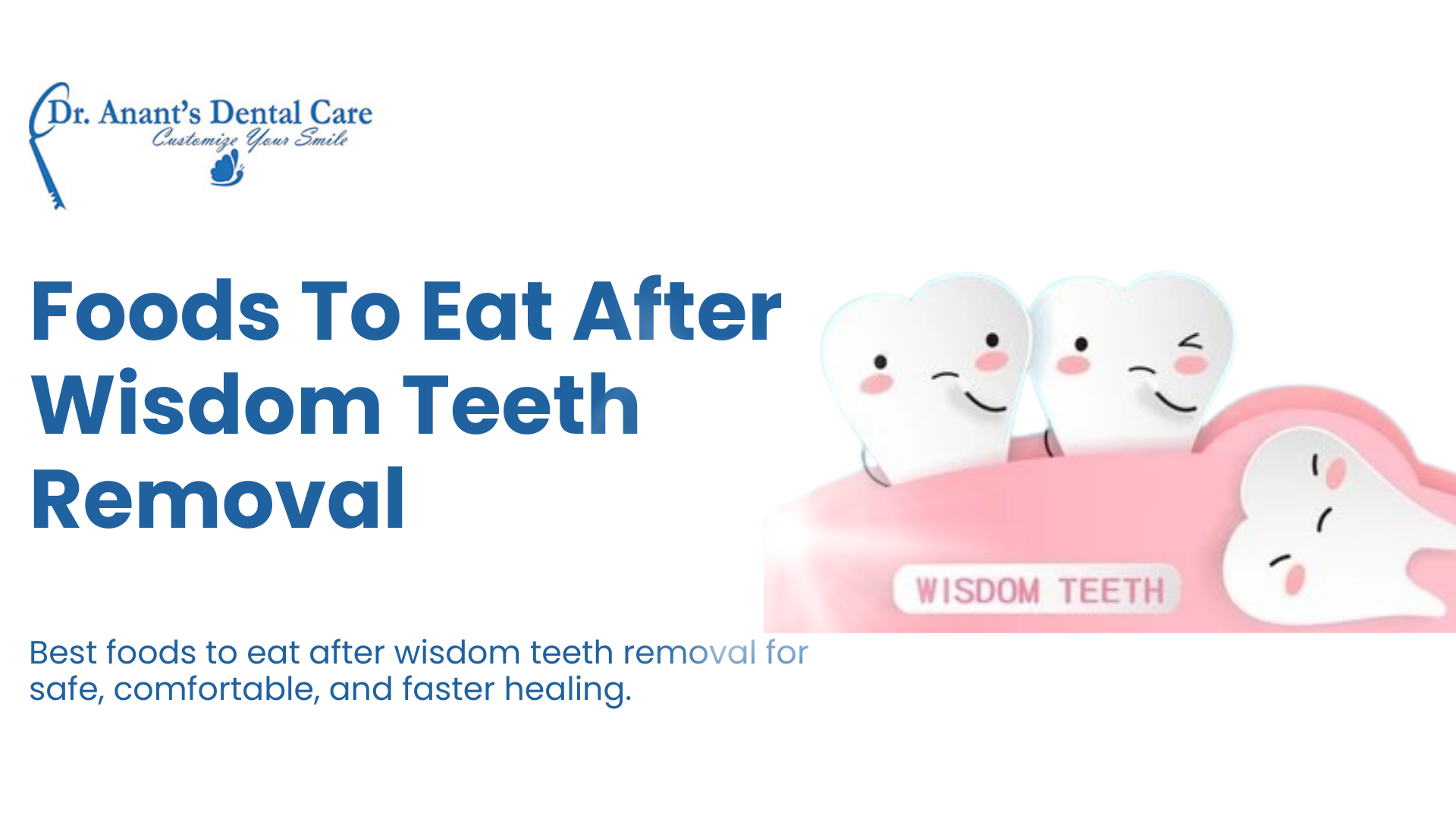
Wisdom teeth removal is one of the most common dental procedures today. In fact, studies show that nearly 80-85% of people experience problems with their wisdom teeth, such as pain, swelling or infection and many eventually need extraction. After the procedure, proper care becomes very important – and diet plays a major role in your healing.
Knowing the right foods to eat after wisdom teeth removal can help you to reduce pain to prevent complications like dry socket and support faster recovery. Choosing the correct foods to eat ensures smoother healing and greater comfort during the first week after surgery.
As a dentist, I have seen that many patients feel confused about what they can safely eat after surgery. Some eat hard or spicy foods too early, which can increase discomfort and delay healing. Based on my clinical experience, sticking to soft, nutritious and easy to chew foods in the first few days makes a big difference. A proper post extraction diet not only protects the surgical site but also helps your body recover smoothly and comfortably.
Table of Contents
What is wisdom teeth removal?
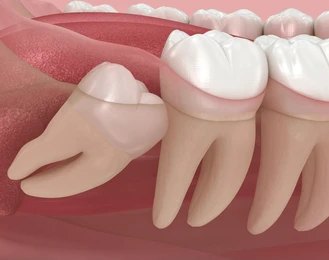
Wisdom teeth removal is a common dental procedure in which one or more of the third molars. The last teeth at the back of your mouth – are removed. These teeth usually appear between the ages of 17 and 25. In many people, wisdom teeth do not get enough space to grow properly. Because of this, they may become impacted (stuck inside the gums), grow at an angle or cause pain, swelling, infection and difficulty in chewing.
The procedure is done by a dentist or oral surgeon under local anesthesia and in some cases, sedation may be used for comfort. If your tooth is fully visible, removal is simple. However, if it is impacted, a small incision in the gum may be required. Wisdom teeth removal is generally safe and routine, but proper aftercare is important for smooth healing. Following the dentist’s advice helps you to prevent complications like infection or dry socket and ensures faster recovery.
Why Diet Matters After Wisdom Teeth Removal
After wisdom teeth removal your mouth needs proper care to heal smoothly and for healing diet plays a very important role in this process. When a tooth is removed, a blood clot forms in the empty socket. This clot protects the bone and nerves underneath and helps new tissue grow. Eating the wrong foods – especially hard, crunchy or spicy items – can disturb this clot and lead to a painful condition called dry socket.
Soft and nutritious foods reduce pressure on the surgical area and prevent irritation. Chewing hard food can cause pain, bleeding or swelling, which may delay recovery. Choosing the right diet also ensures that your body gets enough nutrients to repair tissues quickly. Protein helps in tissue healing, while vitamins like Vitamin C support gum recovery and reduce inflammation.
From my experience as a dentist, I have seen that patients who follow proper dietary instructions recover faster and face fewer complications. On the other hand, those who ignore food restrictions often return with discomfort or delayed healing. A simple soft-food diet for a few days can make a big difference in your overall recovery and comfort after wisdom teeth removal.
21 Best Foods to Eat After Wisdom Teeth Removal
After wisdom teeth removal, soft and nourishing foods help to protect your healing gums and prevent discomfort. Choosing right things to eat after wisdom teeth removal ensures you stay energized while allowing the surgical site to recover safely and comfortably during the first week.
- Banana – Naturally soft and easy to mash, bananas require no chewing effort. They provide potassium, vitamin B6 and energy, making them ideal when your appetite is low after surgery.
- Papaya – This soft fruit is gentle on gums and easy to swallow. It contains vitamin C and digestive enzymes that may support healing and reduce mild inflammation.
- Avocado – Creamy and smooth in texture, avocado is rich in healthy fats, vitamin E and fiber, which help you to support tissue repair without irritating the surgical area.
- Applesauce – Smooth and light, applesauce is easy to consume without chewing. It provides natural sugars for energy and is comfortable for sensitive gums.
- Plain Yogurt – Cool and soothing, yogurt contains protein and probiotics that support tissue repair and gut health during recovery.
- Greek Yogurt – Thicker and higher in protein than regular yogurt, it helps rebuild tissues and keeps you feeling full without requiring chewing.
- Smoothies – Blended fruits and milk provide vitamins and minerals in an easy-to-drink form. Avoid seeds and sip gently from a glass.
- Protein Shakes – Convenient and nutritious, protein shakes supply essential amino acids needed for faster gum healing and recovery.
- Mashed Potatoes – Soft and comforting, mashed potatoes are easy to swallow and provide carbohydrates for strength during recovery.
- Scrambled Eggs – Light and fluffy, scrambled eggs are high in protein and easy to chew gently without straining the jaw.
- Boiled Eggs (mashed) – When finely mashed, boiled eggs become soft and manageable, offering protein and essential nutrients for healing.
- Oatmeal (well-cooked) – Cooked until soft, oatmeal provides fiber and energy while being gentle on tender gums.
- Suji Halwa (soft consistency) – When prepared smooth and mildly sweet, it is easy to swallow and provides quick energy.
- Khichdi – A soft mix of rice and lentils, khichdi is light, nutritious and easy to digest during recovery.
- Dal (well-cooked) – Rich in plant protein and iron, well-cooked dal supports strength and tissue repair.
- Soft Rice – Thoroughly cooked rice becomes tender and easy to manage in small bites without causing strain.
- Upma (soft) – Prepared moist and smooth, upma offers carbohydrates and mild flavor suitable for healing gums.
- Paneer (mashed) – Softened paneer provides protein and calcium essential for recovery and overall health.
- Tofu (soft) – A gentle, protein-rich option that requires minimal chewing and supports tissue rebuilding.
- Cottage Cheese – Soft and creamy, it offers protein and calcium while being easy on sensitive gums.
- Clear Vegetable Soup – Hydrating and nutrient-rich, it supplies vitamins and minerals without chewing effort.
7-Day Sample Meal Plan After Wisdom Teeth Removal
Choosing the right foods to eat after wisdom teeth removal plays a major role in how quickly and comfortably you recover. Your gums are sensitive and the surgical area needs protection.
Meal plan after wisdom teeth removal
Smooth and Liquid Foods (Day 1-2)
During the first two days, your mouth is at its most sensitive stage. Swelling, mild bleeding and tenderness are common. At this time, stick to smooth and liquid foods that glide easily without disturbing the healing area.
- Smoothies – Blend soft fruits like banana or chikoo for energy. Avoid seeds or dry ingredients. Always sip from a glass to prevent suction-related complications.
- Plain yogurt – Its cooling texture feels soothing on irritated gums. It is easy to digest and gives your body strength without putting pressure on stitches.
- Applesauce – A simple option when you don’t feel like eating much. It provides light nourishment and is very easy to consume slowly.
- Clear soups and broths – Vegetable or chicken broth supplies fluids and minerals. Keep them mildly warm, as excessive heat may increase sensitivity.
- Protein shakes – Helpful if appetite is low. They maintain energy levels and assist in early tissue repair.
In my practice, I advise patients not to experiment on day one. Simple and smooth foods reduce complaints of discomfort the next day.
Soft Foods (Day 2-4)
By the third day, swelling usually begins to reduce. If pain is manageable, you can slowly introduce slightly thicker foods. However, they must still be soft and require very gentle chewing.
- Mashed potatoes – Soft and filling, they provide comfort and calories. Avoid heavy spices or chilli to prevent irritation.
- Scrambled eggs – Light, fluffy and rich in protein. They are easy to chew carefully without straining the jaw.
- Oatmeal – Cook until completely soft and smooth. Avoid adding dry fruits or crunchy toppings at this stage.
- Soft pasta or macaroni – Boil well so it becomes tender. Small portions are better to prevent over-chewing.
- Mashed paneer or cottage cheese – Provides strength and supports recovery when softened properly.
- Avocado – Naturally creamy and nutritious, requiring minimal chewing effort.
From my experience, patients who introduce solids slowly and chew on the opposite side usually report less soreness and faster comfort.
Soft to Semi-Solid Foods (Day 5-6)
By the fifth and sixth day, most patients feel a clear improvement. Swelling is minimal, jaw movement is better and pain reduces significantly. However, internal healing is still ongoing, so food should be soft but slightly more textured.
- Soft rice with dal – Well-cooked rice mixed with thin dal is easy to manage. Make sure the grains are very soft and avoid spicy tadka to prevent irritation.
- Khichdi – A simple and balanced meal. Keep it slightly mashed so it requires minimal chewing and does not strain the jaw muscles.
- Upma or soft poha – Prepare it moist and mildly seasoned. Dry or crispy texture should be avoided at this stage.
- Soft chapati soaked in dal – Allow the chapati to become fully soft before eating. Take small bites and chew slowly.
- Boiled vegetables (well-cooked) – Vegetables like lauki, pumpkin or carrot should be cooked until tender and easy to mash with a spoon
In my clinical experience, patients who carefully follow the recommended foods to eat after wisdom teeth removal, especially on days five and six, heal more comfortably compared to those who quickly return to fried or crunchy foods.
Transition to Normal Diet (Day 7)
By the seventh day, you feel almost normal. Still, the extraction site may not be completely healed internally. You can start returning to your regular meals, but choose softer options first.
- Soft chicken (shredded) – If non-vegetarian, ensure it is tender and easy to chew without force.
- Well-cooked pasta or noodles – Keep the texture soft and avoid very spicy sauces.
- Soft fruits like banana or papaya – Gentle on gums and easy to eat without pressure.
- Light home-cooked meals – Simple dal, soft sabzi and rice combinations are safe choices.
From what I have observed in my practice, patients who remain cautious even on day seven rarely face delayed healing issues. A gradual transition always gives better long-term comfort.
Things Not to Eat After Wisdom Teeth Removal
It’s very important to understand what foods to eat after wisdom teeth removal your gums are sensitive and the extraction site needs time to heal properly. Eating the wrong foods can disturb the blood clot, increase pain and even cause complications like dry socket. Avoiding certain foods is very important during recovery.
- Hard Foods (nuts, chips, toast) – Hard items require strong chewing and can put pressure on the surgical area. Small sharp pieces may also injure the gums or get stuck in the socket.
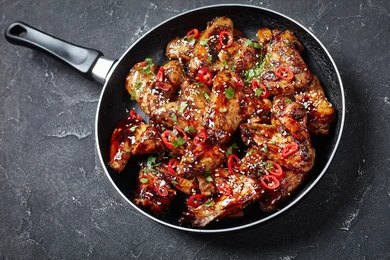
- Spicy Foods – Spices can irritate the wound, causing burning sensation and discomfort. They may also increase inflammation and delay proper healing during the first week.
- Crunchy Snacks – Foods like popcorn or crackers can easily break into tiny particles and lodge inside the extraction site, increasing the risk of infection.
- Sticky Foods (caramel, chewing gum) – Sticky textures may pull at stitches or cling near the healing area, making cleaning difficult and uncomfortable.
- Very Hot Foods and Drinks – Excess heat can dissolve the protective blood clot and trigger bleeding. Always choose lukewarm options instead.
- Carbonated Drinks and Alcohol – Fizzy drinks and alcohol can irritate the wound, slow healing and increase dryness in the mouth.
- Using Straws – Suction from straws can dislodge the blood clot, leading to a painful dry socket condition.
Tips for Eating Comfortably After Surgery
Eating after wisdom teeth removal can feel uncomfortable at first, but a few simple precautions can make the process much easier. The goal is to protect the healing area while ensuring you get enough nutrition.
First, eat slowly and take small bites. Rushing increases the risk of irritation or accidental biting near the surgical site. Small portions are easier to manage and reduce jaw strain.
Second, chew on the opposite side of the extraction area whenever possible. This prevents pressure on the healing socket and minimizes discomfort. If both sides were treated, stick to soft foods that require minimal chewing.
Avoid using straws, as suction can dislodge the blood clot and lead to dry socket. Also, make sure food is lukewarm, not hot, to prevent bleeding or sensitivity.
Maintain gentle oral hygiene by rinsing carefully with your dentist’s recommended solution after meals. From my experience, patients who follow these simple habits recover more smoothly and face fewer complications during the first week.
Conclusion
Wisdom teeth removal is a common procedure, but the way you manage your diet afterward plays a very important role in how quickly and comfortably you recover. Choosing the right foods to eat after wisdom teeth removal helps protect the healing area, reduces pain and prevents complications like dry socket.
In the first few days, sticking to soft, smooth and easy to eat foods allows your gums to heal without disturbance. As your condition improves, gradually introducing semi soft foods supports your energy levels while still keeping the area safe. Avoiding hard, spicy and crunchy foods during this period is equally important.
From my clinical experience, patients who follow a proper diet plan for at least 5-7 days experience less swelling, minimal discomfort and faster healing. On the other hand, rushing back to normal eating habits too early often leads to unnecessary pain and delayed recovery.
Healing takes a little patience, but simple steps like eating soft foods, staying hydrated and following your dentist’s advice can make a big difference. A careful approach during the first week ensures smooth recovery and long-term oral health.
FAQs
-
How long should I eat soft foods after wisdom teeth removal?
You should eat soft foods for at least 5-7 days after surgery. In the first 2-3 days, stick to liquids and very smooth foods. Gradually introduce semi-soft foods as pain and swelling reduce, but avoid hard or crunchy items for about a week.
-
Can I eat rice after wisdom teeth removal?
Yes, you can eat rice after 4-5 days if it is very soft and well cooked. Mix it with dal or curry to make it easier to swallow. Avoid dry or hard rice grains that may get stuck in the socket.
-
Can I eat spicy food after wisdom teeth removal?
It is best to avoid spicy food for at least 7 days. Spices can irritate the surgical area, cause burning sensation and delay healing. Mild, simple and less oily foods are safer during the recovery period.
-
What foods to eat a week after wisdom teeth removal?
After one week, you can slowly return to soft normal foods like soft rice with dal, well-cooked pasta, idli, scrambled eggs, soft chapati soaked in curry and tender chicken. Still avoid very hard, crunchy or spicy foods.
-
Can I drink water immediately after wisdom teeth removal?
Yes, you can drink small sips of water once the numbness reduces. Stay hydrated, but avoid using straws because suction may dislodge the blood clot and cause dry socket.
-
What can you eat day 4 after wisdom teeth removal?
On day 4 after wisdom teeth removal, you can start eating soft, slightly thicker foods if pain and swelling have reduced. Options include mashed potatoes, soft rice with dal, scrambled eggs, oatmeal, yogurt, soft pasta, mashed paneer and well-cooked vegetables. Avoid hard or spicy foods.
-
What are the best cold foods to eat after wisdom teeth removal?
Cold foods help reduce swelling and soothe irritated gums during the first 1- 2 days. Good options include plain ice cream (without nuts), chilled yogurt, smoothies without a straw, cold custard, applesauce and mashed banana. Avoid anything too hard or extremely frozen.
