


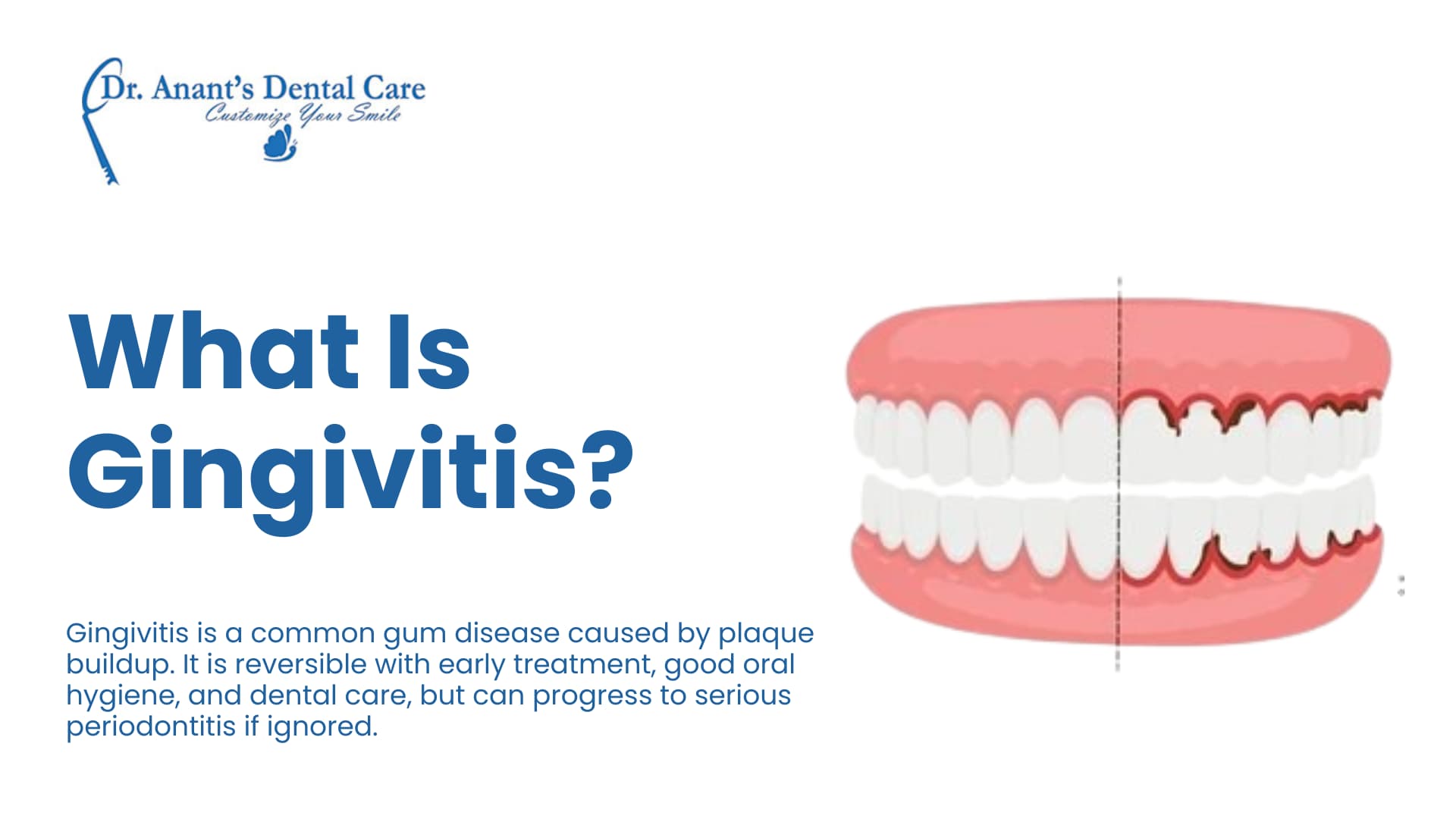
If your gums bleed while brushing or look red and swollen, your body may be warning you about gingivitis. Gingivitis is one of the most common gum problems worldwide. Studies show that nearly 4 out of 10 adults experience some form of gum inflammation. It can affect both men and women, although men are slightly more likely to develop gum disease due to smoking and poor oral hygiene. Women may also notice gum problems during pregnancy or hormonal changes.
Gingivitis is usually reversible if you treat it early. With proper brushing, flossing and professional dental cleaning, you can restore your gum health and prevent more serious problems. If left untreated, gingivitis can progress to periodontitis, which may damage the bone supporting your teeth. Understanding what is gingivitis?, why it happens and how you can treat it will help you protect your smile and keep your gums healthy for years to come.
What Is Gingivitis?
Gingivitis is the early stage of gum disease that causes inflammation in your gums. It usually develops when plaque, a sticky layer of bacteria, builds up along your gum line due to inadequate brushing and flossing. Over time, this buildup irritates your gums, making them red, swollen and more likely to bleed when you brush or floss.
At this stage, the infection affects only your gums and does not damage the bone or tissues that support your teeth. This is why gingivitis is considered a reversible condition when treated early. If you improve your oral hygiene and get professional dental cleaning, your gums can return to normal within a few weeks.
You may not feel pain in the beginning, so it is easy to ignore the warning signs. However, if gingivitis is left untreated, it can progress to periodontitis, a more serious form of gum disease that can loosen your teeth and lead to tooth loss. Taking care of your gums early helps protect your overall oral health.
Types of Gingivitis
Gingivitis can develop for different reasons and understanding the type affecting your gums helps your dentist choose the most effective treatment. In most cases, gingivitis occurs because of plaque buildup, but sometimes it can also result from hormonal changes, medications, allergies or certain health conditions.
Plaque-Induced Gingivitis
This is the most common type of gingivitis. It develops when plaque and tartar accumulate around your teeth and gum line. The bacteria in plaque irritate your gums, causing redness, swelling, tenderness and bleeding while brushing or flossing. If you improve your oral hygiene and undergo professional cleaning, this type of gingivitis usually resolves completely.
Non-Plaque-Induced Gingivitis
This type is not caused directly by plaque buildup. Instead, it may occur due to pregnancy, puberty, vitamin deficiencies, mouth infections, allergic reactions or certain medicines. In these cases, your gums become inflamed even if you maintain good oral hygiene. Treatment focuses on addressing the underlying cause along with proper dental care to restore healthy gums.
Symptoms of Gingivitis
Your gums often show early warning signs before gum disease becomes serious. If you notice any of the following symptoms, it may indicate gingivitis. Identifying these signs early can help you seek timely treatment and prevent further damage to your gums and teeth. Understanding what is gingivitis? can help you recognize these symptoms at the right time and take proper care of your oral health.
- Bleeding Gums: If your gums bleed while brushing or flossing, it is one of the earliest and most common signs of gingivitis. Healthy gums should not bleed during your daily oral hygiene routine.
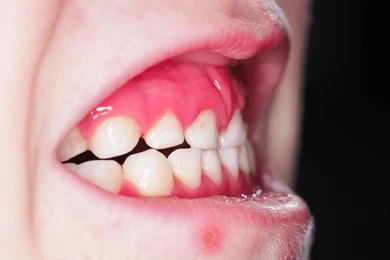
- Red or Dark-Coloured Gums: Healthy gums are usually light pink. If your gums look red, dark pink or slightly purple, it may indicate inflammation caused by bacterial plaque buildup.
- Swollen Gums: Your gums may appear puffy, enlarged or tender to touch. Swelling occurs when your body responds to irritation and infection around the gum line.
- Bad Breath: Persistent bad breath or an unpleasant taste in your mouth can occur when bacteria and plaque accumulate around your teeth and gums.
- Tender Gums: Your gums may feel sore or sensitive while eating, brushing or touching them. This discomfort is a common symptom of gum inflammation.
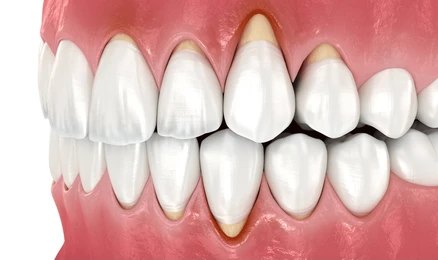
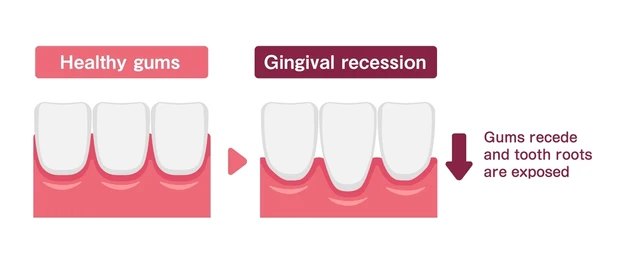
- Receding Gums: Your gums may start pulling away from your teeth, making them appear longer than usual and exposing more of the tooth surface that’s calls receding gum.
Causes of Gingivitis
Gingivitis usually develops when bacteria irritate your gums over time. While poor oral hygiene is the most common cause, several other factors can increase your risk. Understanding these causes can help you protect your gums and prevent inflammation before it becomes a serious dental problem.
Plaque Buildup
If you do not brush and floss properly, plaque starts collecting along your gum line. The bacteria in plaque irritate your gums, causing redness, swelling and gum bleeding during brushing.
Poor Oral Hygiene
When your daily oral care routine is inconsistent, food particles and bacteria remain on your teeth. This increases your chances of developing gum inflammation and early gum disease.
Smoking and Tobacco Use
Smoking reduces blood flow to your gums and weakens your body’s ability to fight infection. This makes it harder for your gums to heal and stay healthy.
Hormonal Changes
Pregnancy, puberty, menstruation and menopause can make your gums more sensitive to plaque. During these stages, you may notice swelling, tenderness or bleeding more easily.
Medical Conditions
Health conditions such as diabetes can affect your immune system and slow healing. If your blood sugar is not controlled, your gums become more vulnerable to infection.
Certain Medications
Some medicines can cause dry mouth or gum enlargement. When your mouth produces less saliva, bacteria grow more easily and increase the risk of gingivitis.
How Is Gingivitis Diagnosed?
If your gums bleed or feel gum swollen, your dentist can diagnose gingivitis during a routine dental check-up. The process is simple, painless and helps identify gum inflammation at an early stage before it causes serious damage.
Your dentist will examine your gums for redness, swelling, bleeding and plaque buildup around your teeth. They may gently measure the space between your teeth and gums to check for early signs of gum disease. In some cases, dental X-rays are taken to ensure the bone supporting your teeth is still healthy.
Gingivitis affects only the gums and not the bone, early diagnosis allows you to reverse the condition with professional cleaning and improved oral hygiene. Regular dental visits help detect gingivitis before it progresses to periodontitis.
Gingivitis Treatment Options
The good news is that gingivitis can usually be reversed when you start treatment early. Your dentist will recommend the most suitable treatment based on the condition of your gums. These treatments help remove bacteria, reduce inflammation and restore your gum health.
Professional Dental Cleaning
Your dentist will perform scaling and polishing to remove plaque and tartar from your teeth and gum line. This deep cleaning reduces bacterial buildup and allows your gums to heal properly. This is an important part of gingivitis treatment, especially when you understand what is gingivitis? and how early care can protect your gums from further damage.
Improved Oral Hygiene
You need to brush twice daily, floss regularly and use an antibacterial mouthwash if advised. Good oral hygiene prevents plaque accumulation and helps your gums become healthy again.
Medications
If your gums are severely inflamed, your dentist may prescribe medicated mouthwash, gels or antibiotics. These help control infection and speed up the healing process.
Lifestyle Changes
If you smoke or use tobacco, quitting can significantly improve your gum health. Eating a balanced diet and managing conditions like diabetes also support faster healing.
Regular Follow-Up Visits
Your dentist may schedule follow-up appointments to monitor your progress. Regular check-ups ensure your gums are healing well and help prevent gingivitis from returning.
Can Gingivitis Be Reversed?
Gingivitis itself is not considered a contagious disease, but the bacteria that contribute to it can be passed from one person to another through saliva. This means activities such as sharing toothbrushes, utensils or kissing may transfer oral bacteria.
However, simply coming into contact with these bacteria does not mean you will develop gingivitis. Your risk depends mainly on your oral hygiene, immune system, smoking habits and overall health. If you brush, floss and visit your dentist regularly, your gums are more likely to remain healthy.
So, while the condition itself is not directly contagious, maintaining good oral hygiene and avoiding sharing personal oral care items can help protect your gums.
How to Prevent Gingivitis?
Preventing gingivitis means taking care of your gums before inflammation starts. Along with daily oral hygiene, a few long-term habits can significantly reduce your risk of gum disease and help you maintain healthy gums throughout your life.
- Schedule Regular Dental Check-Ups: Visiting your dentist every six months helps detect early gum problems and allows professional cleaning before plaque turns into hard tartar.
- Manage Medical Conditions: If you have diabetes or other health conditions, keeping them under control lowers your risk of gum infections and supports better gum health.
- Quit Smoking and Tobacco Use: Stopping tobacco improves blood circulation to your gums and strengthens your body’s natural ability to fight infection.
- Eat a Nutrient-Rich Diet: Foods rich in vitamin C, calcium and antioxidants help strengthen your gums and support tissue repair.
- Stay Hydrated: Drinking enough water increases saliva production, which naturally cleans your mouth and reduces bacterial growth.
- Replace Your Toothbrush Regularly: Changing your toothbrush every three to four months ensures better cleaning and prevents bacterial buildup on worn bristles.
Can Gingivitis Be Reversed?
Yes, gingivitis can usually be reversed if you begin treatment early. This condition affects only your gums and does not damage the bone supporting your teeth, timely care can restore your gums to a healthy state. Understanding what is gingivitis? helps you take the right steps for early treatment and better gum health.
Professional dental cleaning removes plaque and tartar that irritate your gums. Once these deposits are removed, your gums can heal with proper brushing, flossing and regular dental visits. Many people notice improvement within one to three weeks.
However, if you ignore bleeding or swollen gums, gingivitis can progress to periodontitis, which causes permanent damage. Early treatment is the best way to protect your gums and preserve your natural teeth.
Conclusion
Gingivitis is a common but reversible gum condition that should never be ignored. If your gums bleed while brushing, look red or feel swollen, it is your body’s way of telling you that your gums need attention. The good news is that with early diagnosis, professional dental cleaning and better oral hygiene, you can restore your gum health and prevent long-term damage.
Simple habits such as brushing twice a day, flossing regularly, eating a balanced diet and visiting your dentist on time can make a big difference. If you delay treatment, gingivitis can progress to periodontitis, which may lead to loose teeth and even tooth loss.
By understanding what is gingivitis?, its causes, symptoms and treatment options, you can take the right steps to protect your smile. Healthy gums are the foundation of strong teeth, so taking care of your gums today will help you maintain better oral health for years to come.
FAQs
-
What is gingivitis and how is it treated?
Gingivitis is early gum inflammation caused by plaque buildup. It is treated with professional dental cleaning, proper brushing, flossing and mouthwash. Early care helps reverse the condition and restore healthy gums effectively.
-
What causes gingivitis in adults?
Gingivitis in adults is mainly caused by plaque buildup due to poor oral hygiene. Smoking, diabetes, hormonal changes, medications and unhealthy diet also increase risk. Bacteria irritate gums, leading to redness, swelling and bleeding.
-
What are the symptoms of gingivitis?
Common symptoms include bleeding gums while brushing, redness, swelling, bad breath, gum tenderness and receding gums. You may also feel discomfort while eating or flossing. Early detection helps prevent progression to serious gum disease.
-
What causes gingivitis in adults?
Gingivitis in adults is mainly due to plaque buildup from poor oral hygiene. Other causes include smoking, hormonal changes, diabetes, certain medications and weak immunity, all of which increase gum inflammation and bacterial growth.
-
How long does gingivitis last?
Gingivitis can improve within one to three weeks if treated early with good oral hygiene and professional cleaning. If ignored, it may persist and progress into periodontitis, which requires more advanced dental treatment.
-
Is gingivitis reversible?
Yes, gingivitis is usually reversible in early stages. With proper brushing, flossing and dental cleaning, gum inflammation can be controlled. Early treatment restores healthy gums and prevents long-term damage to teeth and supporting tissues.
-
Can gingivitis go away on its own?
Gingivitis rarely goes away on its own. Without proper brushing, flossing and dental care, it can worsen over time. Professional cleaning and good oral hygiene are necessary to completely reverse gum inflammation.
-
Does gingivitis cause bad breath?
Yes, gingivitis often causes bad breath due to bacteria and plaque buildup along the gum line. The infection releases foul-smelling toxins. Proper oral hygiene and dental cleaning help eliminate bad breath and improve gum health.
