


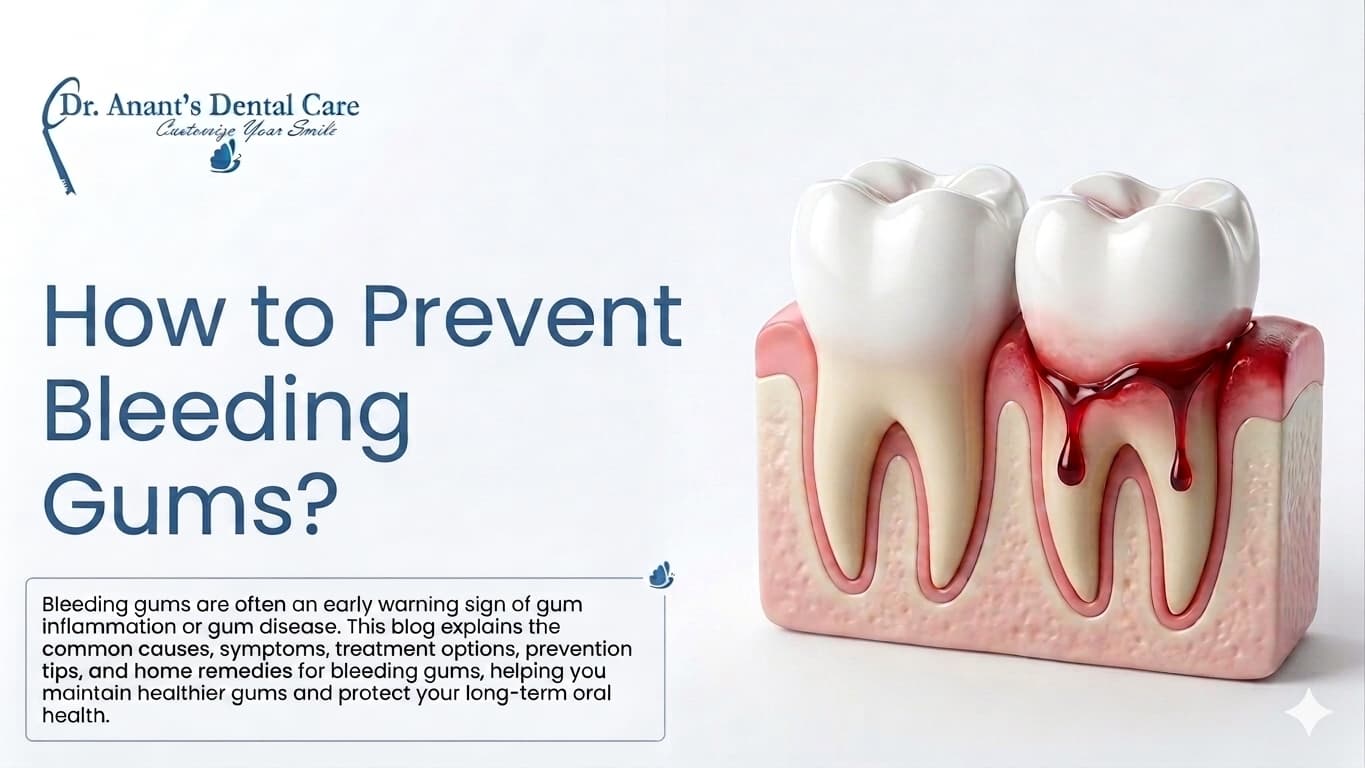
Bleeding gums are often one of the first signs that your gums need extra care. You may see occasional gum bleeding, thinking it is normal, especially while brushing or flossing. However, healthy gums should not bleed regularly. Studies suggest that gum problems affect a large percentage of adults worldwide and poor oral hygiene remains one of the leading causes. Understanding how to prevent bleeding gums? can help you to protect your oral health, reduce the risk of gum disease and maintain stronger, healthier gums for the long term.
If your gums bleed frequently, it could be a sign of plaque buildup, gingivitis, vitamin deficiencies, smoking or other underlying health conditions. In many cases, you can prevent bleeding gums with simple daily habits and timely dental care. By understanding what causes gum bleeding and taking the right preventive steps, you can protect your teeth, gums and overall oral health.
From proper brushing techniques and flossing habits to diet and professional dental cleanings, several measures can help keep your gums healthy.
Table of Contents
What Are Bleeding Gums?
Bleeding gums occur when the soft tissue surrounding your teeth becomes irritated, inflamed or damaged, causing blood to appear during daily activities. This bleeding may be mild and occasional or more noticeable and frequent, depending on the underlying cause.
Your gums play an important role in supporting and protecting your teeth. When they become unhealthy, they may lose their strength and ability to create a protective seal around the teeth. As a result, harmful bacteria can enter deeper areas of the gums, increasing the risk of oral health problems.
Bleeding gums are not a disease by themselves but rather a symptom that something is affecting your gum health. While temporary irritation can sometimes cause minor bleeding, frequent or persistent bleeding often indicates that your gums require attention. Ignoring this sign may allow the problem to worsen over time and affect the tissues supporting your teeth.
Recognising bleeding gums early and identifying the cause can help you take appropriate steps to restore and maintain healthy gums.
Why Do Gums Bleed?
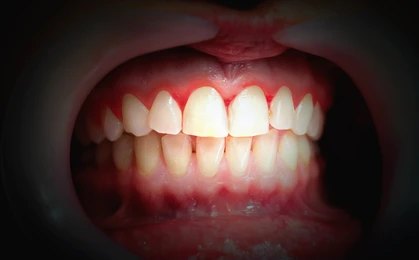
Gum bleeding is usually a sign that your gums are irritated, inflamed or unhealthy. While occasional bleeding may happen due to temporary irritation, frequent bleeding often indicates an underlying dental or health-related issue. Your gums contain many small blood vessels and when the tissue becomes inflamed, these vessels can break easily during brushing, flossing or eating.
Several factors can contribute to bleeding gums, including poor oral hygiene, plaque buildup, gum disease, smoking, nutritional deficiencies, hormonal changes, certain medications and medical conditions. In many cases, gum bleeding develops gradually, making it easy to overlook until the symptoms become more noticeable.
Understanding why your gums bleed is important because early identification of the cause allows you to take the right steps to protect your oral health. The following are some of the most common reasons behind bleeding gums.
How Long Do Bleeding Gums Take to Heal?
The healing time for bleeding gums depends on the underlying cause and how quickly you begin treatment. If gum bleeding is caused by mild plaque buildup or early gingivitis, you may notice improvement within one to two weeks after improving your oral hygiene and getting professional dental cleaning if needed.
However, if the bleeding is related to advanced gum disease, smoking, vitamin deficiencies or certain medical conditions, healing may take longer and require additional treatment. Following your dentist’s recommendations, brushing properly, flossing daily and maintaining regular dental visits can help speed up recovery.
The earlier you address the problem, the faster your gums are likely to heal and return to a healthy condition.
How to Prevent Bleeding Gums?
Bleeding gums are often linked to underlying dental or medical conditions. While good oral hygiene is important, preventing recurring gum bleeding also requires proper diagnosis and management of the factors contributing to gum inflammation. The following medical approaches can help prevent bleeding gums and maintain long-term gum health.
– Get Dental Check-Ups
Routine dental examinations help identify early signs of gum disease before symptoms become severe. Your dentist can detect inflammation, assess gum health and recommend timely treatment to prevent bleeding gums.
– Undergo Professional Dental Cleaning
Professional scaling and polishing remove plaque and tartar deposits that cannot be eliminated through brushing alone. Removing these bacterial deposits helps reduce gum inflammation and lowers the risk of bleeding.
– Treat Gingivitis Promptly
Gingivitis is one of the most common causes of bleeding gums. Early treatment through professional cleaning and gum care can reverse inflammation and prevent the condition from progressing into periodontitis.
– Manage Periodontal Disease
If gum disease has progressed beyond gingivitis, advanced periodontal treatment may be necessary. Procedures such as scaling and root planing help control infection and protect the supporting structures of your teeth.
– Control Diabetes Effectively
Poorly controlled diabetes increases the risk of gum infections and delayed healing. Maintaining healthy blood sugar levels can significantly reduce inflammation and improve gum health.
– Correct Vitamin Deficiencies
Deficiencies of vitamin C and vitamin K may contribute to gum bleeding in some individuals. Proper medical evaluation and nutritional management can help address these deficiencies and support healthy gums.
– Review Medications with Your Doctor
Certain medications, including blood thinners and some anti-seizure drugs, may increase the likelihood of gum bleeding. Your healthcare provider can determine whether medication-related factors are contributing to your symptoms.
– Quit Smoking and Tobacco Use
Smoking affects blood circulation, weakens the immune response and increases the risk of gum disease. Stopping tobacco use improves gum healing and reduces the chances of recurrent gum bleeding.
– Manage Hormonal and Systemic Conditions
Hormonal changes during pregnancy, puberty or menopause can affect gum health. Certain systemic diseases can also increase gum inflammation. Proper medical supervision helps reduce these risks and maintain healthier gums.
– Seek Early Treatment for Persistent Bleeding
If your gums continue to bleed despite maintaining oral hygiene, professional evaluation is essential. Early diagnosis can help identify underlying dental or medical conditions and prevent more serious complications.
Home Remedies for Bleeding Gums
Mild gum bleeding can sometimes improve with supportive home care measures that help soothe irritated gum tissues and support healing. While these remedies may provide temporary relief, persistent or frequent bleeding should always be evaluated by a dentist to identify the underlying cause.
- Warm Salt Water Rinse: A salt water rinse helps create a cleaner oral environment and may reduce minor gum irritation. Rinsing gently for 30 seconds once or twice daily can help soothe sensitive gum tissues and support the natural healing process.
- Increase Vitamin C-Rich Foods: Consuming fruits and vegetables rich in vitamin C supports collagen production and healthy gum tissue. Foods such as guava, amla, kiwi oranges and bell peppers may help strengthen your gums and support recovery.
- Stay Well Hydrated: Drinking adequate water throughout the day helps maintain moisture in your mouth and supports saliva production. Saliva plays an important role in keeping the oral cavity clean and reducing the accumulation of harmful bacteria.
- Use a Soft-Bristled Toothbrush: If your gums are sensitive, switching to a soft-bristled toothbrush can minimise unnecessary friction during brushing. This helps protect delicate gum tissues while still allowing effective removal of food debris and plaque.
- Apply a Cold Compress: Placing a cold compress on the outside of your cheek for a few minutes may help reduce gum discomfort and swelling. This simple remedy can provide temporary relief when your gums feel irritated or tender.
- Avoid Irritating Foods: Limiting very spicy, hard or extremely hot foods may help prevent additional irritation to already sensitive gums. Choosing softer foods for a few days can make your gums feel more comfortable during recovery.
Are Bleeding Gums Harmless?
Bleeding gums should not be considered harmless, especially if the problem occurs repeatedly. While occasional bleeding may result from temporary irritation, frequent or persistent bleeding often indicates that your gums are inflamed or unhealthy.
Healthy gums generally do not bleed during brushing, flossing or eating. In many cases, bleeding gums are an early warning sign of gingivitis, the first stage of gum disease. If ignored, this condition can progress to periodontitis, which may damage the tissues and bone supporting your teeth.
Sometimes, bleeding gums can also be associated with vitamin deficiencies, hormonal changes, certain medications, smoking or medical conditions such as diabetes. Identifying the cause early allows timely treatment and helps prevent complications.
If your gums bleed regularly or are accompanied by swelling, pain, bad breath or gum recession, it is important to visit a dentist for a proper evaluation.

Can Bleeding Gums Be a Sign of Gum Disease?
Yes, bleeding gums can be one of the earliest signs of gum disease. When plaque and bacteria remain around your teeth for a long time, they can irritate the gum tissue and trigger inflammation. This condition, known as gingivitis, commonly causes bleeding during brushing or flossing.
If treatment is delayed, the infection may spread deeper into the tissues supporting your teeth. As gum disease progresses, you may also notice symptoms such as swollen gums, persistent bad breath, gum recession or increased tooth sensitivity.
Although gum disease is a common reason for bleeding gums, it is not the only cause. Factors such as smoking, vitamin deficiencies, hormonal changes and certain medical conditions can also contribute. Because bleeding gums are often an early warning sign, seeking dental advice promptly can help prevent more serious oral health problems.
Conclusion
We created this guide because we regularly see how often people ignore bleeding gums, assuming they are normal. In reality, bleeding gums are usually your body’s way of telling you that your gums need attention. Patients who take early action often enjoy healthier gums, stronger teeth and fewer dental complications.
Your gums play a vital role in supporting your teeth and protecting your overall oral health. Following the right oral hygiene habits, scheduling dental visits and making healthy lifestyle choices can significantly reduce your risk of gum disease and related problems.
If you notice persistent gum bleeding, swelling or discomfort, do not ignore the warning signs. Understanding how to prevent bleeding gums? is the first step toward maintaining healthy gums and a confident smile. If you have any concerns about your gum health, we’re always happy to guide you and help you choose the best treatment for your needs.
FAQs
-
Why do my gums bleed when I brush my teeth?
Your gums may bleed while brushing due to plaque buildup, gum inflammation, aggressive brushing or early gum disease. Healthy gums usually do not bleed, so persistent bleeding should be evaluated by a dentist.
-
Can bleeding gums go away on their own?
Bleeding gums may improve if caused by temporary irritation, but they rarely resolve completely without addressing the underlying cause. Proper oral hygiene and professional dental care are often necessary to prevent the condition from worsening.
-
What vitamin deficiency causes bleeding gums?
A deficiency of vitamin C is one of the most common nutritional causes of bleeding gums. In some cases, low vitamin K levels may also contribute by affecting normal blood clotting and gum health.
-
Is bleeding gums a sign of gingivitis?
Yes, bleeding gums are one of the earliest signs of gingivitis. This condition occurs when plaque and bacteria irritate the gums, leading to inflammation, redness, swelling and bleeding during brushing or flossing.
-
Can stress cause bleeding gums?
Yes, chronic stress can weaken your immune system and increase inflammation throughout the body, including the gums. This may make your gums more susceptible to infection, irritation and bleeding if oral hygiene is not maintained properly.
-
How to prevent bleeding gums naturally?
You can help prevent bleeding gums naturally by maintaining good oral hygiene, flossing daily, eating a balanced diet rich in vitamins, staying hydrated and avoiding tobacco products. Regular dental check-ups are also important for long-term gum health.
