


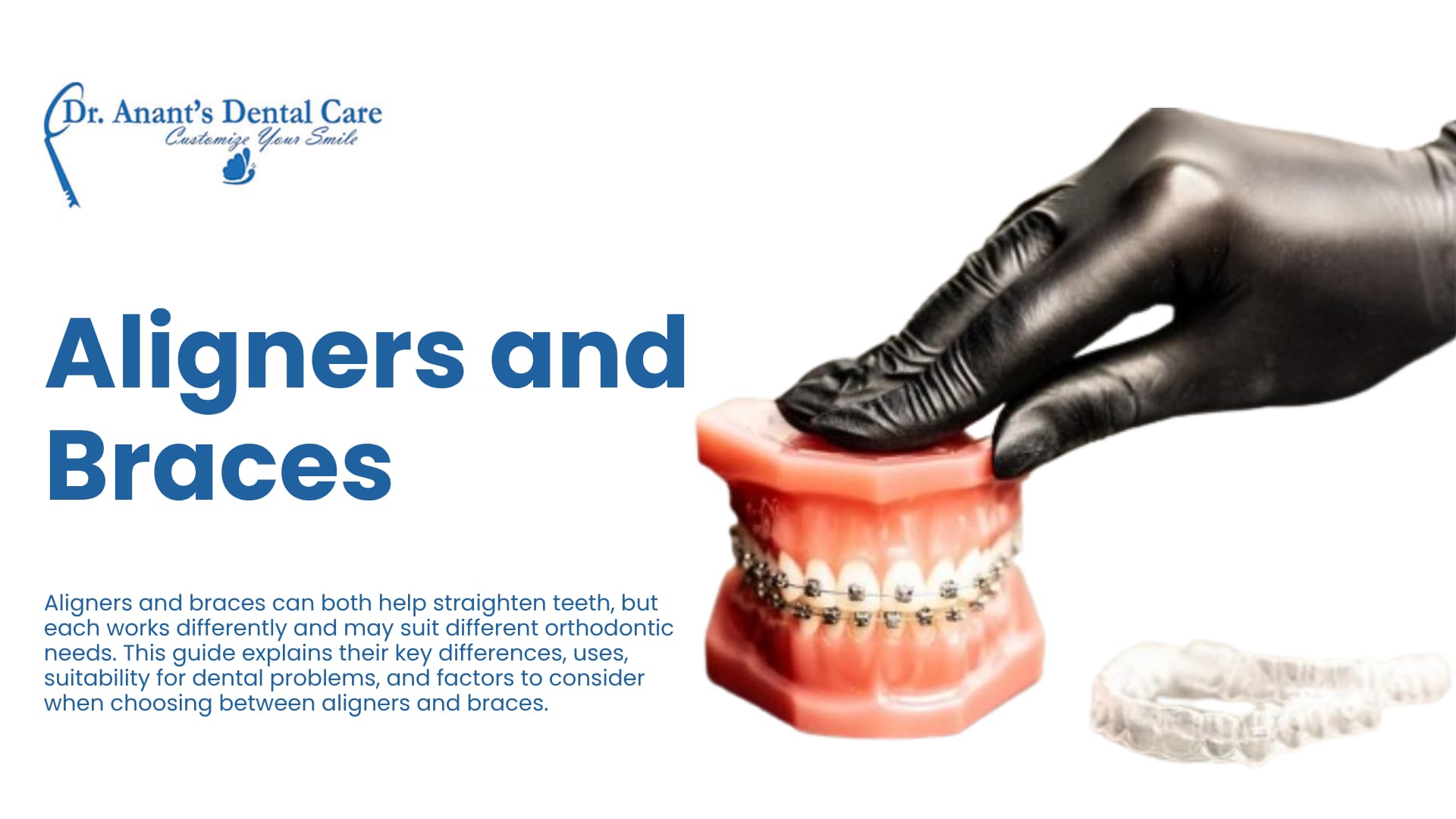
If you look in the mirror and wish your teeth were straighter, you are not alone. Crooked, crowded or misaligned teeth can affect your smile and sometimes your confidence too. In fact, studies suggest that malocclusion affects a significant portion of the population worldwide, making orthodontic treatment a common choice for both men and women.
Today, you have more options than ever, with teeth aligners and braces being two of the most popular choices for improving tooth alignment. Which one is right for you? While aligners are discreet, removable and convenient, braces have been trusted for decades to correct a wide range of dental problems.
Your age, dental condition, lifestyle and treatment goals can all influence the right choice. In this guide, we will compare aligners vs braces based on appearance, comfort, treatment time, cost, effectiveness and everyday convenience, so you can better understand which option may suit your smile.
Key Takeaways
- How They Work?: Aligners use removable trays, while braces use fixed brackets and wires to move teeth.
- Clear Aligners: Aligners are transparent, removable and convenient for daily eating and oral care.
- Fixed Braces: Braces stay attached to your teeth and provide controlled movement throughout treatment.
- Key Differences: Appearance, comfort, eating, cleaning and daily maintenance differ between aligners and braces.
- Dental Problems: Both options can treat crowding, gaps, crooked teeth and certain bite problems.
- Case Complexity: Braces may be preferred when teeth require more controlled or complex movements.
- Adults & Teens: Adults and teenagers may be suitable for either option depending on their orthodontic needs.
- Right Choice: Your orthodontist evaluates your teeth and bite before recommending the most suitable treatment.
What Are Dental Aligners?
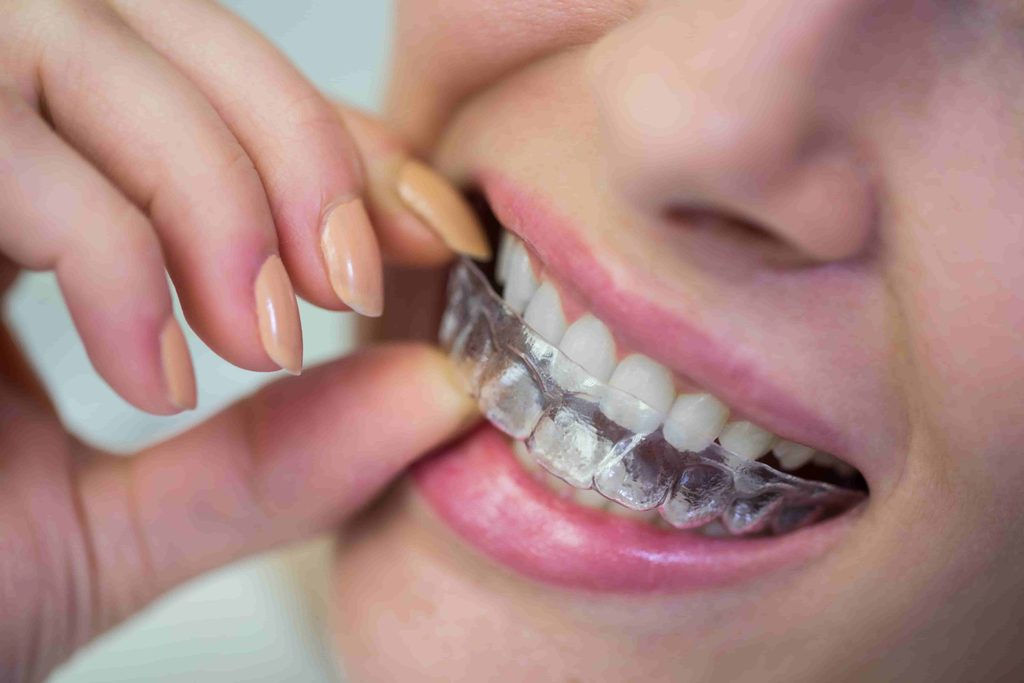
Dental aligners are a series of custom-made, transparent trays designed to gradually move your teeth into their planned positions. Each tray is slightly different, allowing gentle pressure to be applied to specific teeth as you progress through your treatment. Unlike fixed braces, aligners can be taken out when you eat, brush or floss, making them easier to manage as part of your daily routine.
You typically move to a new set of trays according to your orthodontist’s treatment plan, with regular check-ups to monitor your progress. They can be used to address several concerns, including mild to moderate crowding, gaps between teeth and certain bite problems.
Because they are made to fit your teeth, your treatment plan is personalized according to your dental needs. Following your orthodontist’s instructions and wearing the trays for the recommended time each day is important for achieving the desired results.
What Are Braces?
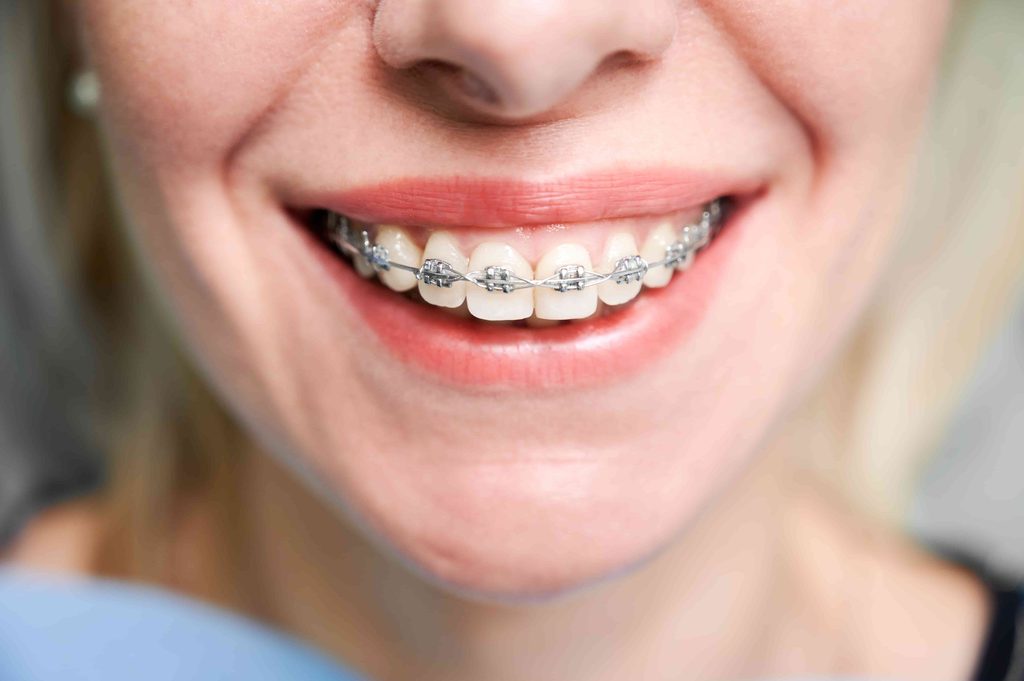
Braces are fixed orthodontic appliances used to gradually move your teeth into better alignment. They usually consist of small brackets attached to the front of your teeth and a wire that connects them.
The wire applies controlled pressure, while the brackets help guide each tooth toward its planned position. Depending on your needs, your orthodontist may recommend traditional metal braces, ceramic braces or other specialised options. Since braces remain attached throughout treatment, you do not need to remember to put them back after eating or cleaning your teeth.
They can be used to correct concerns such as crowded teeth, gaps, crooked teeth and several types of bite problems. During treatment, you will have regular appointments so your orthodontist can adjust the braces and check how your teeth are responding. The overall treatment period depends on the complexity of your case and your individual response to treatment.
Aligners vs Braces: Which Is Better?
The right orthodontic treatment depends on your teeth, bite, treatment goals and everyday needs. Instead of choosing based only on appearance or popularity, understanding when each option may be suitable can help you make a more informed decision.
| Consideration | Aligners May Be Suitable When | Braces May Be Suitable When |
| Type of dental concern | You have mild to moderate crowding, spacing or certain alignment concerns | You need correction for more complex tooth movements or bite problems |
| Treatment planning | Your case can be managed through a planned series of customised trays | Your orthodontist needs continuous control over tooth movement |
| Lifestyle | You prefer a treatment that can fit around your usual routine | You prefer a treatment that does not depend on remembering to use an appliance |
| Following instructions | You can consistently follow the recommended wearing schedule | You may find it easier to follow treatment because the appliance stays in place |
| Treatment goals | Your main goal is correction of suitable alignment problems with a discreet approach | Your goal involves movements that may be better managed with fixed orthodontic treatment |
| Complexity | Your orthodontist determines that your particular case can be treated effectively with aligners | Your case requires movements that may be more predictable with braces |
| Age | Adults and teenagers may be candidates if they can follow the treatment plan | Adults, teenagers and younger patients may be considered depending on their orthodontic needs |
| Bite correction | Some bite problems can be treated with aligners | Braces may be recommended for certain complex bite corrections |
| Treatment discipline | You are comfortable taking responsibility for wearing and caring for your trays | You prefer not to have a removable appliance to manage |
| Orthodontic assessment | Your teeth and bite are suitable for aligner treatment | Your orthodontist finds fixed braces more appropriate for your condition |
So, which is better? There is no universal winner between aligners and braces. Your orthodontist will consider your tooth position, bite, complexity of movement and treatment goals before recommending the most appropriate option.
How to Choose Between Aligners and Braces?
Choosing between aligners and braces starts with understanding what your teeth actually need. Consider the type of alignment problem, the complexity of tooth movement and the result you want to achieve. Your orthodontist may also consider your bite, dental development and overall oral health before suggesting a treatment.
Ask yourself:
- What needs correction? Crowding, gaps and bite problems may require different approaches.
- How complex is your case? More complicated movements may influence the treatment choice.
- Can you follow the treatment plan? Aligners require consistent use as directed.
- What are your treatment expectations? Discuss the expected results, duration and maintenance with your orthodontist.
- What fits your routine? Think about how easily you can manage the recommended treatment.
Ultimately, there is no one-size-fits-all answer. A proper orthodontic examination can help you understand whether aligners or braces are more appropriate for achieving your desired dental results.
Aligners vs Braces for Different Dental Problems
Different dental problems require different types of tooth movement. Aligners and braces can both be used for several orthodontic concerns, but the way they correct each problem can vary based on the position and movement of your teeth.
| Dental Problem | How Aligners May Help | How Braces May Help |
| Crowded teeth | Gradually create space and improve the position of overlapping teeth | Move crowded teeth into alignment using controlled pressure |
| Gaps between teeth | Gradually bring separated teeth closer together | Guide teeth toward each other to reduce unwanted spaces |
| Crooked teeth | Shift teeth into a more organised position through a series of trays | Use brackets and wires to guide individual teeth into alignment |
| Overbite | Can be planned to improve certain types of excessive vertical overlap | Can guide the teeth to improve the relationship between upper and lower teeth |
| Underbite | May be used for selected tooth-related underbite cases | Can help manage certain underbite corrections as part of orthodontic treatment |
| Crossbite | May correct some tooth-position-related crossbites | Can move affected teeth into a more suitable position |
| Open bite | May help correct selected cases by gradually repositioning the teeth | Can be used to reposition teeth and improve the bite relationship |
The complexity of each condition matters. For example, aligners vs braces for crowded teeth may involve different treatment approaches depending on the amount of crowding, while aligners vs braces for crooked teeth depends on how much movement each tooth requires. A detailed orthodontic examination helps determine the treatment approach needed for your specific dental problem.
Aligners vs Braces for Adults and Teenagers
Both adults and teenagers can benefit from orthodontic treatment, but their dental needs and treatment preferences may differ. For adults, aligners vs braces may depend on the condition of the teeth, bite and desired treatment approach. Teenagers may also be suitable for either option after an orthodontic assessment.
Aligners can be considered when the required tooth movements can be managed with removable trays, while braces may be used for a broader range of orthodontic corrections. The patient’s ability to follow the recommended treatment plan is also important with aligners. Ultimately, age alone does not decide the treatment. Your orthodontist will examine your teeth, bite and overall dental development before recommending the most appropriate option.
Conclusion
Choosing the right way to straighten your teeth is an important decision and there is no treatment that works best for everyone. Both aligners and braces can help improve tooth alignment and address different orthodontic concerns, but the right option depends on your individual dental needs. Factors such as the complexity of your case, bite, treatment goals, age and ability to follow the recommended treatment plan can all influence the decision.
If you prefer a discreet approach and your dental condition can be treated with removable trays, aligners may be an option worth discussing with your orthodontist. Braces may be recommended when your teeth require more controlled or complex movements. Rather than choosing based only on cost or appearance, get a professional assessment to understand your options.
When considering aligners vs braces, remember that your smile is unique. A personalised orthodontic evaluation can help you choose a safe and effective treatment suited to your needs and help you move confidently toward a healthier, straighter smile.
FAQ
-
Can I drink coffee while wearing clear aligners?
It is better to remove aligners before drinking coffee. Hot beverages may affect the trays, while coffee can cause staining. After drinking, clean your teeth before putting the aligners back in.
-
Can I play sports during orthodontic treatment?
Yes, you can usually play sports during orthodontic treatment. If you have braces, wearing a suitable mouthguard can protect your teeth and brackets. Follow your orthodontist’s advice for contact sports.
-
Do aligners affect speech?
You may notice a slight change in speech when you first wear aligners. This happens as your tongue adjusts to the trays. With regular use, most people gradually become more comfortable speaking naturally.
-
What happens if I lose an aligner?
If you lose an aligner, contact your orthodontist for advice. They may recommend using a previous tray or arranging a replacement, depending on your treatment stage. Avoid changing trays without professional guidance.
-
Can I get aligners with dental fillings?
Having dental fillings does not automatically prevent you from getting aligners. Your orthodontist will check your teeth, fillings and overall oral health before creating a treatment plan suited to your individual needs.
-
Can I eat normally after getting braces?
You can enjoy many foods with braces, but hard, sticky and chewy foods may need to be avoided. These foods can damage brackets or wires. Following your orthodontist’s dietary advice helps prevent treatment complications.

One Response