


Dental implants have become one of the most reliable and long-lasting solutions for replacing your missing teeth in modern dentistry. According to global dental studies, over 3 million dental implants are placed every year, and this number continues to grow by nearly 8-10% annually as per studies. Tooth loss can affect you at any age, but it is most commonly seen after the age of 35-40 years due to gum disease, tooth decay, injury, or age-related bone loss.
Dental implants are designed to function like natural tooth roots, helping you to preserve jawbone density and prevent facial sagging, which often occurs after tooth loss. However, not all dental implants are the same. Factors such as age, bone quality, number of missing teeth, medical history, and lifestyle habits play a crucial role in deciding the right implant type.
This is why understanding the types of dental implants is extremely important before starting treatment. Choosing the correct implant type not only improves comfort and chewing efficiency but also increases long-term success rates, aesthetics, and overall oral health, making dental implants a preferred option for permanent tooth replacement today.
Table of Contents
What is Dental Implants?
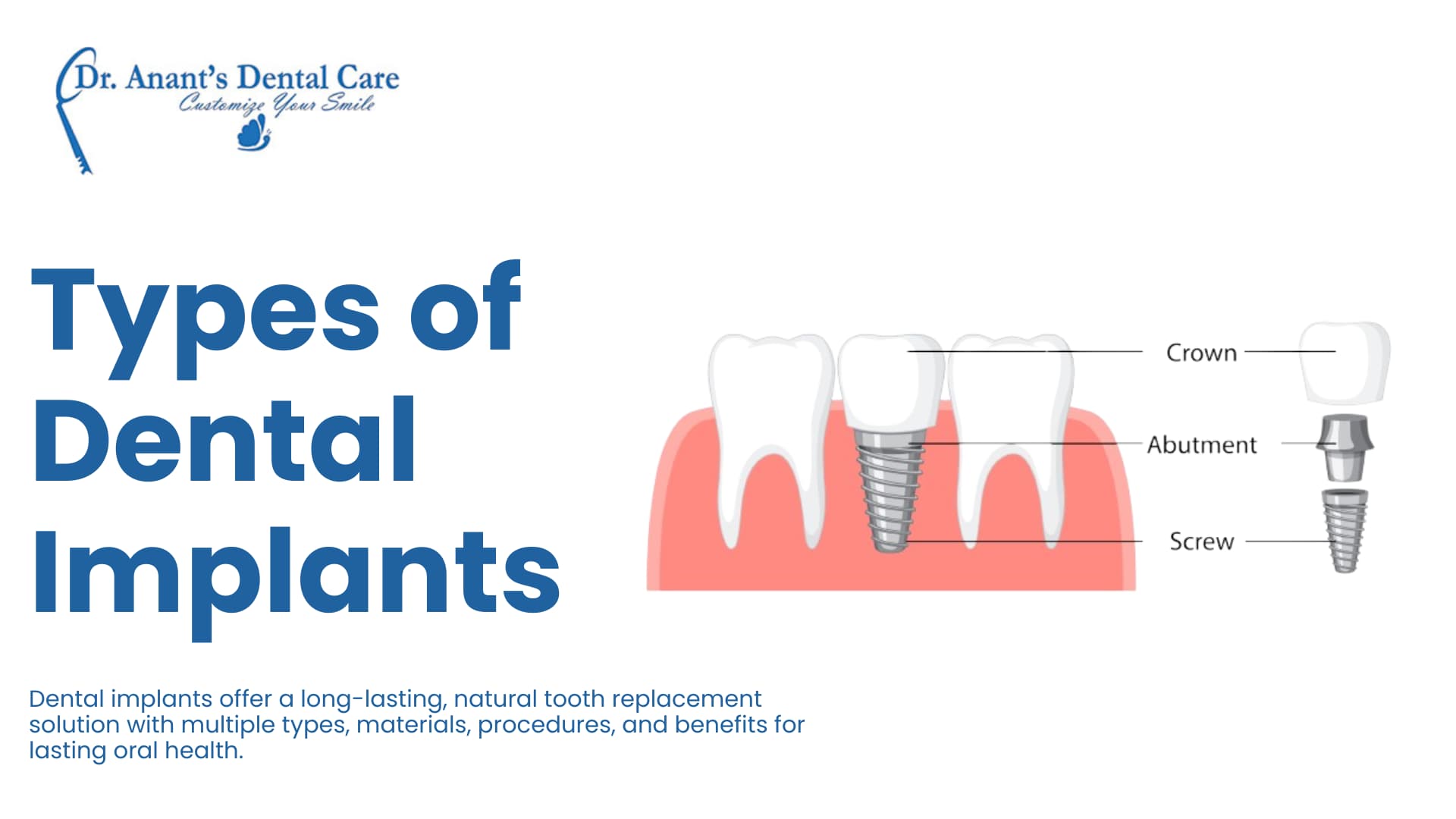
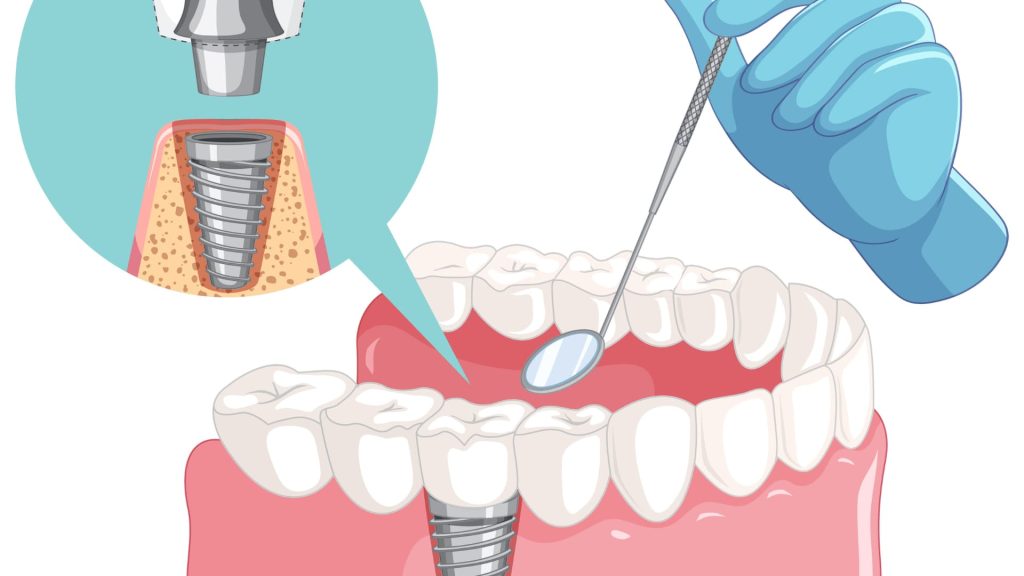
Dental implants are advanced tooth replacement solutions designed to replace missing teeth by acting as artificial tooth roots. They are small, screw-shaped structures, usually made of titanium or zirconia, that are surgically placed into the jawbone.
Once inserted, the implant gradually fuses with the bone through a natural process called osseointegration, creating a strong and stable foundation for artificial teeth such as crowns, bridges, or dentures. Dental implants closely mimic the look, feel, and function of natural teeth, allowing you to eat, speak, and smile with confidence.
Unlike removable dentures, implants are fixed in place and help prevent jawbone loss that commonly occurs after tooth loss. Dental implants can be used to replace a single missing tooth, multiple teeth, or even an entire set of teeth. With proper oral hygiene and regular dental check-ups, dental implants are a long-term, reliable, and aesthetically pleasing solution for restoring oral health and improving overall quality of life.
Types of Dental Implants
Dental implants are classified in multiple ways to suit different oral conditions, bone quality, and tooth replacement needs. From placement technique to design, material, and number of teeth replaced, each implant type serves a specific purpose. Understanding these classifications helps you and dentists choose the most effective, long-lasting, and comfortable implant solution for individual dental requirements.
Classification of Dental Implants Based on Placement
Dental implant placement depends mainly on bone condition and treatment complexity. Based on where and how implants are fixed inside the mouth, dentists follow different placement methods. Each approach is selected carefully to ensure better support, healing, and long-term comfort for the patient.
– Endosteal Dental Implants
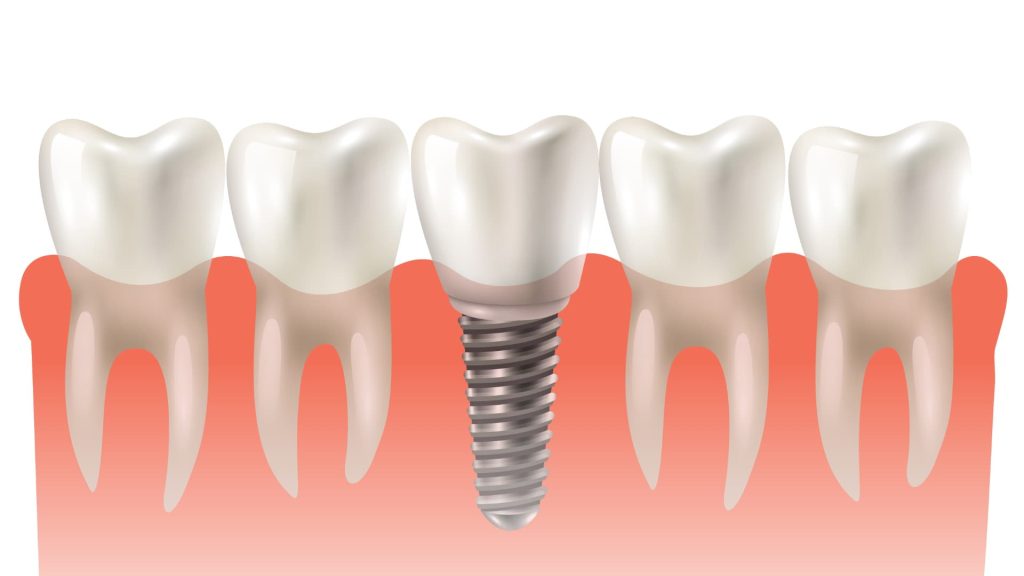
Endosteal implants are the most common dental implant type used worldwide. These implants are surgically placed directly into the jawbone and act as artificial tooth roots. Once the implant integrates with the bone, it supports crowns, bridges, or dentures. Endosteal implants are ideal for you with sufficient jawbone density and good oral health. Due to their strong stability, long-term success rate, and natural feel, they are considered the gold standard among the different types of dental implants.
– Subperiosteal Dental Implants
Subperiosteal implants are placed on top of the jawbone but beneath the gum tissue. This type is recommended for you if you have low bone density or insufficient jawbone height who are not suitable candidates for bone grafting. Instead of being embedded into the bone, the implant framework rests over it, providing support for artificial teeth. Subperiosteal implants offer a practical solution when traditional implant placement is not possible.
– Zygomatic Dental Implants
Zygomatic dental implants are advanced dental implants anchored into the cheekbone rather than the upper jawbone. They are primarily used in cases of severe bone loss in the upper jaw where conventional implants cannot be placed. This technique avoids bone grafting and allows faster rehabilitation, especially for full-mouth restorations, making it a reliable option in complex cases.
Types of Dental Implants Based on Design & Shape
Dental implant design plays an important role in how well the implant fits, heals, and performs over time. Different shapes and structures are used to match bone quality, available space, and treatment needs, helping dentists choose the most suitable implant design for each patient.
– Screw-Type Dental Implants
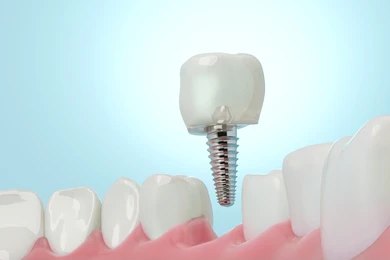
Screw-type dental implants feature a threaded design that allows them to be securely fixed into the jawbone. This design provides excellent stability, faster bone integration, and strong grip, making them suitable for most implant cases. Due to their high success rate and adaptability, screw-type implants are widely preferred in modern implant dentistry.
– Cylindrical (Smooth) Dental Implants
Cylindrical dental implants have a smooth surface and lack threading. These implants rely more on surface contact with the bone for stability rather than mechanical grip. They are less commonly used today but may be suitable in specific cases where bone conditions are favorable and controlled placement is required.
– Mini Dental Implants (MDI)
Mini dental implants are smaller in diameter compared to traditional implants. They are ideal for areas with limited bone space and are commonly used to stabilize dentures. Mini implants involve minimally invasive surgery, shorter healing time, This treatment is suitable for you if you’re elder or in complex situation.
Types of Dental Implants Based on Material Used
The material used in dental implants affects healing, appearance, and long-term comfort. Dentists select implant materials based on patient sensitivity, strength requirements, and cosmetic expectations, ensuring the implant works well with the body and looks natural after treatment.
– Titanium Dental Implants
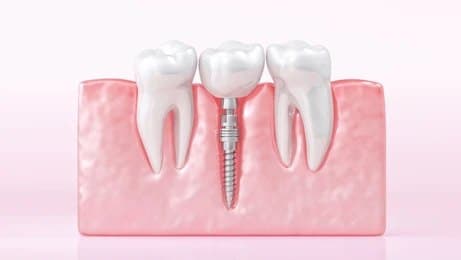
Titanium dental implants are considered the best implant material due to their excellent biocompatibility and strength. Titanium easily integrates with the jawbone, ensuring long-term stability and durability. These implants have been used successfully for decades and are suitable for single, multiple, and full-mouth dental implant treatments.
– Zirconia Dental Implants
Zirconia dental implants are metal-free alternatives preferred for their aesthetic appeal and biocompatibility. They are especially suitable for you if you want metal allergies or seeking a more natural-looking option. Zirconia implants offer good strength and gum compatibility, making them a reliable choice for visible tooth replacement areas.
Types of Dental Implants Based on Teeth Replacement Needs
Dental implants can be planned according to how many teeth need replacement. Whether a patient has lost one tooth or an entire set, different implant approaches are used to restore comfort, balance, and daily oral function in the most effective way.
– Single Tooth Dental Implants
Single tooth dental implants replace one missing tooth without affecting adjacent teeth. An implant post is placed into the jawbone and topped with a crown, providing a natural appearance, proper chewing function, and long-term oral health benefits.
– Multiple Teeth Dental Implants
Multiple teeth dental implants are used to support implant-supported bridges when several teeth are missing together. Instead of placing an implant for every tooth, fewer implants are used to hold the bridge securely, restoring function and maintaining jawbone structure.
– Full Mouth Dental Implants
Full mouth dental implants provide a complete dental implant solution for patients missing all teeth. Techniques like All-on-4 or All-on-6 use strategically placed implants to support a full arch of teeth, offering fixed, stable, and natural-looking results.
Dental Implants Types Procedures Step by Step
Dental implant treatment is planned carefully and carried out in stages to ensure safety, comfort, and long-lasting results. Each step plays an important role in helping the implant function like a natural tooth while supporting proper healing and overall oral health.
Step 1: Dental Examination & Treatment Planning
The dentist evaluates your teeth and gums, takes X-rays or scans, and checks jawbone strength. This helps in planning accurate implant placement and identifying if any additional treatment is needed before the procedure.
Step 2: Implant Placement Surgery
The implant is placed into the jawbone under local anaesthesia. The procedure is safe and usually causes minimal discomfort. Once placed, the gums are closed to allow proper healing.
Step 3: Healing & Bone Integration
Over the next few weeks or months, the implant naturally bonds with the jawbone. This process creates a strong and stable foundation for the artificial tooth.
Step 4: Abutment Placement
After healing is complete, an abutment is attached to the implant. This small connector links the implant to the final tooth restoration.
Step 5: Crown or Tooth Fixing
A custom-made crown, bridge, or denture is placed on the abutment. It is designed to match your natural teeth in appearance and function.
Step 6: Follow-Up & Long-Term Care
Regular dental check-ups and good oral hygiene are essential to maintain the health and success of the dental implant.
How to Choose the Right Type of Dental Implant?
Choosing the right types of dental implants depends on several important factors and should always be done with a dentist’s guidance. One of the first considerations is jawbone condition. If you have bone structure usually have more implant options, bone loss may need specialised implants or additional procedures. The number of missing teeth also matters, as single tooth, multiple teeth, and full mouth replacements require different implant approaches.
Another key factor is overall oral health. Healthy gums and good hygiene habits improve implant success. Age is not a strict limitation, but bone growth must be complete, and older patients may need detailed evaluation. Medical conditions such as diabetes or smoking habits can affect healing and must be discussed with the dentist.
Budget and treatment time are also important while selecting an implant type. Some implant solutions may require multiple visits, while others offer quicker results. Lastly, aesthetic expectations, especially for front teeth, play a role in choosing the right implant material and design. A proper dental examination ensures a safe, long-lasting, and comfortable implant outcome.
Advantages of Dental Implants
Dental implants offer numerous benefits over traditional tooth replacement methods, making them one of the most preferred solutions for missing teeth. Here are the key advantages:
- Natural Look and Feel: Implants closely resemble natural teeth in appearance, shape, and function, allowing patients to eat, speak, and smile confidently without noticing a difference.
- Strong and Stable: Unlike removable dentures, implants are fixed in the jawbone, providing excellent stability and preventing movement while chewing or talking.
- Prevents Bone Loss: Dental implants stimulate the jawbone naturally, maintaining bone density and preventing facial sagging or changes that often occur after tooth loss.
- Durable and Long-Lasting: With proper care, dental implants can last decades, reducing the need for repeated dental treatments compared to bridges or dentures.
- Improved Oral Health: Implants do not require alteration of adjacent teeth, helping preserve natural teeth and overall oral structure.
- Enhanced Confidence: A natural-looking, secure smile improves self-esteem, allowing patients to feel comfortable in social and professional situations.
- Better Comfort and Function: Implants function like real teeth, providing better chewing efficiency and speaking ability compared to traditional dentures.
Dental Implants vs. Dentures
Dental implants and dentures are two common solutions for missing teeth. While both restore function and appearance, they differ in stability, comfort, and long-term oral health. Understanding their differences helps patients choose the right option for their needs.
| Feature | Dental Implants | Dentures |
| Stability | Fixed into the jawbone; does not move while eating or speaking. | Removable; may slip or shift, especially while chewing or talking. |
| Comfort | Feels like natural teeth; no irritation of gums. | May cause soreness, rubbing, or discomfort over time. |
| Bone Health | Stimulates jawbone and prevents bone loss. | Does not prevent bone loss; jaw may shrink over time. |
| Durability | Can last decades with proper care. | Usually lasts 5–10 years; may need adjustments or replacements. |
| Maintenance | Brushing, flossing, and regular dental check-ups. | Must be removed daily; requires soaking and cleaning. |
| Appearance | Natural-looking and permanent. | Can look natural but may appear artificial if ill-fitting. |
| Cost | Higher initial cost but long-term investment. | Lower initial cost but may require frequent replacements. |
Conclusion
Dental implants have revolutionized tooth replacement, offering a reliable, long-lasting, and natural-looking solution for you of all ages. Choosing the right type of dental implant is essential to ensure comfort, proper function, and long-term oral health. Factors such as jawbone condition, number of missing teeth, oral hygiene, medical history, and aesthetic preferences all play a vital role in deciding the most suitable implant type.
Whether it is a single tooth, multiple teeth, or full mouth restoration, the correct implant design, material, and placement method can significantly improve healing, stability, and overall success. Modern dental implants, including titanium, zirconia, screw-type, and mini implants, are designed to mimic natural teeth, preserve jawbone health, and prevent facial changes caused by tooth loss.
With proper planning, professional guidance, and regular dental care, implants can provide decades of durable service while enhancing appearance, confidence, and daily oral function. Understanding the different types of dental implants and their benefits helps you to make informed decisions. Ultimately, investing in the right dental implant solution not only restores a beautiful smile but also supports long-term oral health and overall quality of life.
Frequently Asked Questions
-
Who is an ideal candidate for dental implants?
If you’re suffering with missing teeth, healthy gums, and sufficient jawbone density can be a candidate for dental implants. Even you with bone loss may qualify after bone grafting or advanced implant techniques, based on dental evaluation.
-
Are dental implants painful?
No, Dental implant surgery is usually painless as it is performed under local anaesthesia. Mild discomfort or swelling may occur after the procedure, but it is temporary and can be managed easily with prescribed medicines and proper care.
-
How long do dental implants last?
With proper oral hygiene, regular dental check-ups, and healthy lifestyle habits, dental implants can last 20 years or even a lifetime. Their durability makes them a long-term and cost-effective solution for missing teeth.
-
What is the recovery time after dental implant surgery?
Initial healing takes a few days, while complete bone integration may take three to six months. During this time, you can do your day to day activities normally, following the dentist’s instructions for faster and safer recovery.
-
Can dental implants replace multiple or full sets of teeth?
Yes, Dental implants can replace a single tooth, multiple teeth, or even a full mouth. Techniques like implant-supported bridges and All-on-4 or All-on-6 provide strong, fixed solutions for complete tooth loss.
-
What materials are dental implants made from?
Dental implants are mainly made from titanium or zirconia. Titanium offers excellent strength and bone integration, while zirconia is metal-free.
-
How do I choose the right types of dental implants?
Choosing the right dental implant depends on your bone quality, number of missing teeth, oral health, budget, and aesthetic goals. A detailed dental examination and professional guidance ensure the safest and most effective implant choice.
