


Are you noticing swollen gums and, because of this, experiencing pain, redness, or bleeding while brushing, making you think you might need Swollen Gums Treatment? Around 60 – 70% of adults face gum problems at some point, affecting both men and women, especially between the ages of 20 – 50 years. If your gums feel swollen, tender, or bleed while brushing, your body is giving you a clear signal that your oral health needs attention.
If your gums look puffy, feel sore, or bleed while brushing, your body is giving you an early warning sign. This can happen due to plaque buildup, infections, vitamin deficiencies, hormonal changes, or even small daily habits you may ignore. . If you take action early, you can manage and treat the problem effectively. From my clinical experience, I have seen that when people understand the cause and follow the right care, your gums heal faster and stay healthier.
Table of Contents
What Are Swollen Gums?
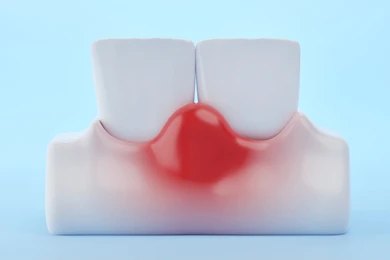
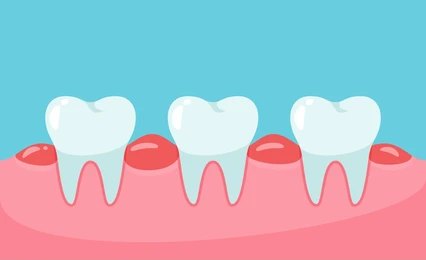
Swollen gums are a condition where your gums become puffy, red, tender or enlarged compared to their normal healthy state. You may notice discomfort while brushing, slight bleeding or a feeling of heaviness in your gums. In some cases, the gums may also look shiny or feel soft when touched.
In simple terms, swollen gums usually indicate inflammation caused by irritation, infection or buildup of plaque around your teeth. It is one of the early signs that your gums need attention and care.
You may ignore this stage, thinking it is temporary. However, if not managed on time, it can progress into more serious gum problems. Recognizing these changes early helps you take the right steps to protect your oral health.
Causes Of Swollen Gums
Swollen gums can happen for different reasons and understanding the cause helps you choose the right swollen gums treatment early. If you notice changes in your gums, it is important to identify what is triggering the problem before it becomes serious.
Plaque and Tartar Buildup
When plaque hardens into tartar, it irritates the gum line and causes swelling. This buildup creates a rough surface where bacteria grow easily, leading to persistent inflammation and discomfort if not cleaned professionally.
Gum Disease (Gingivitis and Periodontitis)
Early gum disease causes redness, swelling and bleeding. If ignored, it can progress deeper into tissues, affecting the bone that supports your teeth and leading to long-term oral health issues.
Food Particles Stuck Between Teeth
Food stuck between teeth can press against the gums and cause irritation. If not removed properly, it allows bacteria to multiply, leading to localized swelling and discomfort in that area.
Allergic Reactions
Some people may react to toothpaste, mouthwash or certain foods. These reactions can irritate the gum tissues, causing temporary swelling, itching or sensitivity that improves once the trigger is removed.
Ill-Fitting Dental Appliances
Braces, dentures or retainers that do not fit properly can rub against your gums. Continuous friction can irritate the tissue, leading to swelling, soreness and sometimes small injuries.
Certain Medications
Some medicines can affect gum health by causing overgrowth or dryness in the mouth. This can make gums appear swollen and increase the risk of irritation if proper oral care is not maintained.
Weakened Immune System
When your immunity is low, your body becomes less effective at fighting infections. This makes your gums more vulnerable to inflammation and swelling, even with minor irritants present.
Symptoms of Swollen Gums
Swollen gums often show clear signs that something is not right with your oral health. Recognising these symptoms early helps you take timely action and prevent the problem from becoming more serious or painful.
- Redness and Puffiness – Your gums may look darker red instead of healthy pink and appear enlarged or puffy. This is one of the earliest and most noticeable signs of gum inflammation.
- Bleeding While Brushing or Flossing – If your gums bleed easily during brushing or flossing, it usually indicates irritation or infection that needs attention and proper oral care.
- Tenderness or Pain – You may feel discomfort while touching your gums, eating, or brushing. This sensitivity often increases if the inflammation is not treated on time.
- Bad Breath (Halitosis) – Persistent bad breath can occur due to bacteria buildup in swollen gums, especially when plaque or infection is present below the gum line.
- Receding Gums – In some cases, gums may start pulling away from the teeth, making teeth look longer and exposing sensitive area that called receding gum which can lead to further complications.
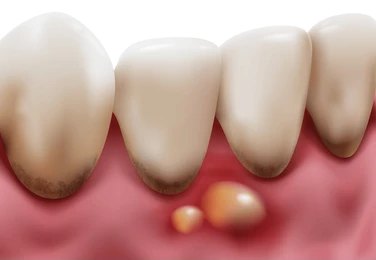
- Pus or Discharge – Presence of pus between teeth and gums is a sign of infection and should not be ignored, as it may indicate a more serious gum condition.
Swollen Gums Treatment
Treating swollen gums requires a combination of good oral care, simple home remedies and professional support when needed. The right steps not only reduce swelling but also prevent it from coming back.
Improve Daily Oral Hygiene
Brush your teeth twice daily using a soft-bristle toothbrush and gentle technique. Focus on cleaning along the gum line where plaque usually store. Daily flossing is equally important, as it removes trapped food particles and bacteria from between teeth, reducing irritation and supporting healthier gums over time.
Follow Dentist-Recommended Products
In some cases, dentist may suggest medicated mouthwash or gels to reduce infection and swelling. These products target bacteria effectively and promote healing. Always follow the recommended usage, as overuse or incorrect application may lead to dryness or further irritation in your gums.
Maintain a Balanced Diet
Your gums need proper nutrition to heal. Include foods rich in Vitamin C, calcium and antioxidants like fruits, vegetables and dairy products. Avoid excessive sugar, spicy or acidic foods, as they can irritate gums and slow down recovery, especially when inflammation is already present.
Avoid Harmful Habits
Smoking and tobacco use can delay healing and worsen gum inflammation. These habits reduce blood flow to the gums and increase infection risk. Reducing or stopping them can significantly improve your gum health and speed up recovery, especially when combined with proper oral hygiene.
Go for Professional Cleaning
If plaque or tartar buildup is the cause, professional dental cleaning becomes necessary. It removes hardened deposits that cannot be cleaned at home. This not only reduces swelling but also prevents future gum problems and helps restore your gums to a healthier condition.
Treat the Root Cause
Sometimes swollen gums are linked to infections, hormonal changes or medical conditions. In such cases, treating only the symptoms is not enough. Dentist will guide you with the right treatment plan to address the underlying cause and ensure long-term relief.
How Long Do Swollen Gums Last?
The healing time for swollen gums depends on the cause and how quickly you start proper care. Mild cases caused by irritation or food particles may improve within 2 – 3 days. If plaque buildup is involved, it may take around 5 – 7 days with good oral hygiene.
However, if the swelling is due to gum disease or infection, it may last longer and require professional treatment. I have seen, patients who take early action and follow proper care instructions recover much faster and avoid complications.
When to See a Dentist?
If you notice that your gum swelling is not improving within a few days, it is important to see a dentist. You should not ignore symptoms of it. If your gums feel very tender or make it difficult for you to eat or brush properly, professional care becomes necessary.
You should also visit dentist if the swelling keeps coming back or starts spreading to other areas. Early treatment helps prevent more serious problems like gum infections or damage to the supporting structures of your teeth. Taking timely action can make your recovery faster and keep your gums healthy in the long run.
Swollen Gums Cure: Can It Go Away on Its Own?
Swollen gums can sometimes go away on their own, but it depends on the cause and how early you take care of them. If the swelling is due to minor irritation, food stuck between teeth or temporary sensitivity, it may improve within a few days with proper brushing and oral hygiene.i
However, if the swelling is caused by plaque buildup, gum infection or underlying gum disease, it usually does not heal completely without proper swollen gum treatment. In such cases, ignoring the problem can make it worse and lead to pain, bleeding or even damage to the gums and supporting bone.
In many cases, you might wait for the swelling to go away on its own, but this can delay proper treatment. If you take simple steps like improving your oral hygiene, using salt water rinses, and visiting dentist when needed, you can see much better results.
So, while mild cases may settle naturally, it is always safer to take early action to ensure faster healing and prevent complications.
Home Remedies for Swelling in Gums
Swollen Gums Treatment can often be managed at home if the condition is mild. Simple remedies can help reduce inflammation, control bacteria and support healing. However, these methods work best in early stages and should not replace professional care if symptoms persist.
- Warm Salt Water Rinse – Rinsing with warm salt water helps reduce swelling and kills harmful bacteria. It soothes irritated gums and supports faster healing. Use it 1–2 times daily for best results.
- Cold Compress – Applying a cold pack on the outside of your cheek can reduce swelling and numb discomfort. It is especially helpful if your gums feel painful or inflamed.
- Clove Oil Application – Clove oil has natural anti-inflammatory and antibacterial properties. Applying a small amount gently on the affected area can help reduce pain and swelling temporarily.
- Maintain Proper Oral Hygiene – Brush twice daily with a soft brush and clean between teeth. This helps remove plaque and prevents further irritation that can worsen gum swelling.
- Stay Hydrated – Drinking enough water keeps your mouth moist and supports saliva production, which naturally protects your gums and reduces bacterial growth.
- Avoid Irritating Foods – Stay away from spicy, very hot or acidic foods, as they can worsen gum irritation and slow down healing.
These remedies can give relief, but if swelling continues or worsens, visiting a dentist is the safest and most effective step
Tips to Prevent Swollen Gums
Preventing swollen gums is much easier than treating them later. With a few simple daily habits, you can keep your gums healthy and avoid discomfort or infections in the long run.
- Brush Properly Twice Daily – Use a soft-bristle toothbrush and gentle technique to clean your teeth and gum line. This helps remove plaque and prevents irritation that leads to swelling.
- Floss Regularly – Cleaning between your teeth removes trapped food and bacteria that brushing alone cannot reach, reducing the risk of gum inflammation.
- Use the Right Oral Care Products – Choose fluoride toothpaste and dentist-recommended mouthwash to strengthen gums and control bacteria effectively.
- Eat a Balanced Diet – Include foods rich in vitamins and minerals like fruits, vegetables and dairy. Good nutrition supports gum health and prevents deficiencies.
- Stay Hydrated – Drinking enough water helps maintain saliva flow, which naturally protects your gums from bacterial buildup.
- Visit Dentist – Schedule dental check-ups 2-3 times a year to detect early gum problems and prevent them from becoming serious.
From my clinical experience, consistent care and small daily habits make the biggest difference in keeping your gums healthy.
Conclusion
Swollen gums may seem like a small issue, but they are often an early sign that your oral health needs attention. The good thing is that with the right care, most cases can be treated easily and effectively. Simple habits like proper brushing, flossing and maintaining a healthy diet can make a big difference in reducing swelling and preventing future problems.
I have seen that people who take early action for swollen gums treatment recover faster and avoid complications like gum infections or advanced gum disease. Ignoring symptoms like bleeding, pain or persistent swelling can lead to more serious dental issues over time.
Home remedies can give relief in mild cases, but they should not replace professional treatment when needed. If your symptoms do not improve within a few days or get worse, it is always better to consult a dentist.
By following the right treatment steps and staying consistent with your oral care routine, you can keep your gums healthy, strong and free from discomfort in the long run.
FAQ
-
What are swollen gums due to cold?
Swollen gums due to cold can occur when immunity is low, making gums more sensitive to bacteria. This usually improves as your health recovers and proper oral care is maintained.
-
Will swollen gum go away?
It’s depends on the cause and severity. It may include better oral hygiene, dental cleaning or medicines. Early care helps in faster recovery and prevents complications.
-
What are home remedies for swelling in gums?
Home remedies for swelling in gums include warm salt water rinses, cold compress and maintaining good oral hygiene. These help reduce inflammation, soothe irritation and control bacteria in mild cases.
-
What is swollen gums treatment?
It’s includes proper brushing, flossing, salt water rinses and dentist-recommended care. It helps reduce swelling, control infection and treat the underlying cause effectively.
-
Can swollen gums cause tooth pain?
Yes, swollen gums can cause tooth pain or discomfort. Inflammation around the gums can put pressure on nearby teeth, making them feel sensitive. If pain increases or continues, it may indicate infection and requires dental evaluation.
-
Is it safe to brush swollen gums?
Yes, you should continue brushing even if your gums are swollen. Use a soft-bristle toothbrush and gentle technique to avoid irritation. Proper cleaning helps remove plaque and supports healing, but avoid aggressive brushing to prevent further damage.
-
Can vitamin deficiency cause swollen gums?
Yes, lack of essential vitamins like Vitamin C can lead to swollen and bleeding gums. Proper nutrition plays an important role in gum health. Including fruits and vegetables in your diet helps strengthen gums and reduce inflammation.

2 Responses