


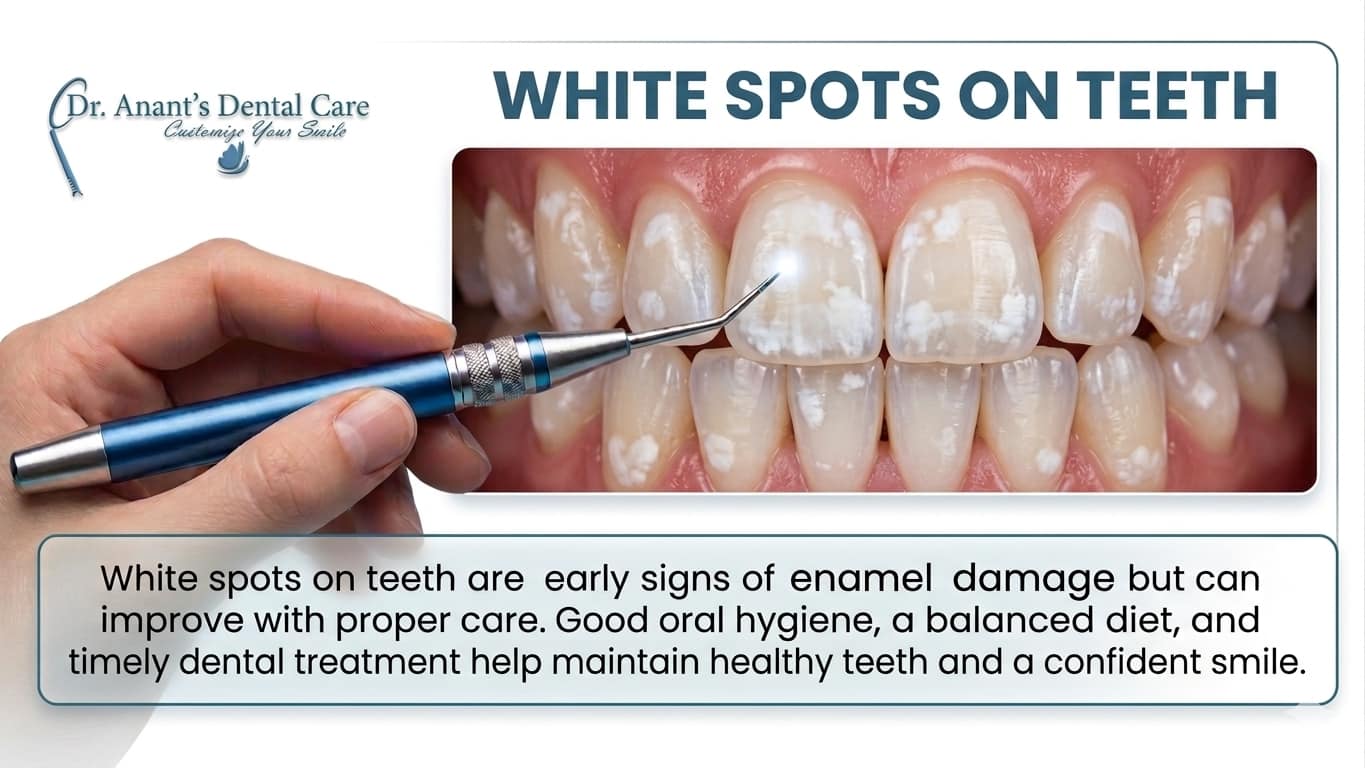
White spots on teeth are a common dental concern that many people notice at some point in their life. In fact, studies suggest that nearly 50-70% of children and teenagers show signs of white spots, especially after braces, while adults can also develop them due to enamel damage or poor oral care. If you are seeing these chalky or uneven patches on your teeth, it is natural to feel worried about your smile and overall dental health.
In simple terms, white spots on teeth are often early signs that your enamel is losing minerals. The good part is that in many cases, they can be treated or improved if you take the right steps at the right time. From my clinical experience as a dentist, I have seen that patients who understand the cause early and follow proper care are able to manage this issue much more effectively.
In this blog, you will understand why white spots appear on your teeth, what they mean and how you can treat and prevent them for a healthier, more confident smile.
Table of Contents
What Are White Spots on Teeth?
They are small, chalky or opaque patches that appear on the surface of your teeth. These spots may look slightly lighter than the rest of your tooth and are usually more noticeable on the front teeth. You might see them as uneven marks that do not go away even after brushing.
In simple terms, these spots are a sign that your tooth enamel has lost some of its minerals, a process known as demineralization. When this happens, certain areas of the tooth become weaker and appear white instead of the usual shiny enamel surface.
From my clinical experience, many patients confuse white spots with stains or cavities. However, they are different. These spots are often an early warning sign rather than a serious problem, which means they can be managed if treated at the right time.
If you notice white spots on your teeth, it is important to understand their cause so you can take the right steps to improve your oral health and prevent further damage.
What Causes White Spots on Teeth?
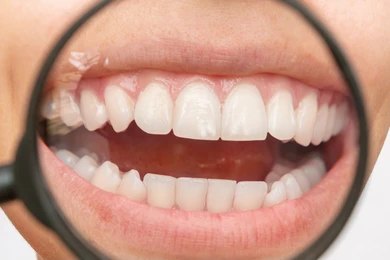
White spots on teeth can develop due to several reasons and understanding the cause is important to choose the right treatment. In most cases, these spots are linked to changes in your tooth enamel.
- Poor Oral Hygiene – When you do not brush or floss properly, plaque builds up on your teeth. Over time, this leads to mineral loss from enamel, causing white spots to appear, especially near the gum line.
- Fluorosis (Excess Fluoride) – Too much fluoride during childhood, when teeth are developing, can lead to white or chalky patches on the enamel. This condition is known as dental fluorosis.
- Enamel Hypoplasia – This is a condition where the enamel does not form properly. It may be due to nutritional deficiencies, illness or genetics and can cause visible white spots on teeth.
- Early Tooth Decay (Demineralization) – White spots are often the first sign of tooth decay. Before cavities form, the enamel starts losing minerals, creating these chalky areas.
- Diet (Acidic and Sugary Foods) – Frequent consumption of sugary or acidic foods and drinks can weaken enamel over time, increasing the risk of white spots.
- Braces-Related Plaque Buildup – People who have worn braces often develop white spots around brackets due to difficulty in cleaning those areas properly.
From my clinical experience, identifying the exact cause early helps in treating white spots effectively and preventing further enamel damage.
Are White Spots on Teeth Permanent?
It are not always permanent. In many cases, they can improve or even fade with the right care and treatment. If the spots are caused by early enamel demineralization, they can often be reversed with proper oral hygiene, fluoride treatments and a healthy diet.
However, if the white spots are due to conditions like fluorosis or enamel hypoplasia, they may not go away completely on their own. In such cases, dental treatments like polishing, whitening or other cosmetic procedures may be needed to improve their appearance.
From my clinical experience, patients who take early action usually see better results. Ignoring these spots can sometimes lead to further enamel damage or cavities. That’s why it is always better to consult a dentist and start the right treatment at the right time.
When Should You See a Dentist?
You should visit a dentist if you notice white spots on your teeth that do not improve over time or become more visible. If the spots are increasing, spreading or affecting your smile, it is important to get them checked early. You should also consult a dentist if you experience tooth sensitivity, rough texture on teeth or any signs of decay along with white spots.
From my clinical experience, early consultation helps identify the exact cause and prevents further enamel damage. Timely treatment not only improves appearance but also protects your overall dental health.

How to Remove White Spots on Teeth?
It can be improved with the right treatment based on their cause and severity. Early care gives better results. From my clinical experience, a proper combination of professional treatment and good oral habits helps restore a more even and healthy smile.
– Professional Teeth Cleaning
A dental cleaning removes plaque and surface deposits that make white spots more visible. It also improves overall enamel health and helps your teeth look cleaner and more uniform in colour.
– Fluoride Treatment
Fluoride helps remineralise weakened enamel. It strengthens teeth and can gradually reduce the appearance of early white spots caused by mineral loss. Regular application gives better long-term results.
– Microabrasion
This procedure gently removes a thin outer layer of enamel to reduce superficial white spots. It is safe, minimally invasive and helps improve the overall smoothness and appearance of your teeth.
– Resin Infiltration (ICON Treatment)
A special resin is applied to penetrate the enamel and blend the white spot with the natural tooth colour. It also stops further damage and is one of the most effective modern treatments.
– Teeth Whitening
Whitening helps balance the overall tooth shade, making white spots less noticeable. It works well in cases where uneven colour is present due to enamel changes or mild fluorosis.
– Dental Veneers
For severe or deep white spots, veneers can cover the front surface of teeth and provide a uniform, natural-looking smile. This is usually recommended when other treatments are not effective.
Home Remedies for White Spots on Teeth
While professional treatment gives the best results, some simple home remedies can help improve mild white spots on teeth. These methods mainly support enamel health and prevent the spots from becoming more noticeable over time.
- Maintain Proper Oral Hygiene – Brushing twice daily with a fluoride toothpaste and regular flossing helps remove plaque and prevent further mineral loss from enamel. Good hygiene is the first step in managing white spots.
- Use Remineralising Toothpaste – Toothpastes containing fluoride, calcium or phosphate help restore lost minerals in the enamel. With regular use, they may gradually reduce the visibility of early white spots.
- Improve Your Diet – Eating foods rich in calcium and vitamins, such as milk, curd, green vegetables and fruits, supports enamel strength and overall oral health.
- Stay Hydrated – Drinking enough water helps maintain saliva flow, which naturally protects teeth and supports remineralisation. It also helps wash away food particles and acids.
- Limit Sugary and Acidic Foods – Reducing intake of soft drinks, sweets and citrus foods helps prevent further enamel damage and stops white spots from worsening.
From my clinical experience, these remedies work best in early stages. If the spots are prominent or long-standing, professional dental treatment is usually required for noticeable improvement.
How to Prevent White Spots on Teeth?
Preventing is much easier than treating them later. With the right daily habits and regular care, you can protect your enamel and maintain an even, healthy smile. From my clinical experience, prevention mainly depends on consistency in oral hygiene and diet.
- Brush and Floss Properly – Brush twice daily using fluoride toothpaste and clean between teeth with floss. This helps remove plaque and prevents mineral loss that leads to white spots.
- Use Fluoride in the Right Amount – Fluoride strengthens enamel, but excess use (especially in children) can cause fluorosis. Always use the recommended quantity and avoid swallowing toothpaste.
- Maintain a Balanced Diet – Include calcium-rich foods like milk, curd and leafy vegetables. Limit sugary snacks and acidic drinks, as they weaken enamel and increase the risk of white spots.
- Take Care During Braces – If you have braces, clean around brackets carefully using special brushes. Poor cleaning during orthodontic treatment is a common cause of white spots.
- Stay Hydrated – Drinking enough water supports saliva production, which naturally protects teeth and helps in remineralisation.
- Regular Dental Check-Ups – Visiting your dentist regularly helps detect early enamel changes and prevents white spots from becoming more visible or severe.
Tips to Maintain Healthy Tooth Enamel
Healthy enamel is the key to preventing white spots and other dental issues. Simple daily habits can make a big difference in keeping your teeth strong and protected over time.
- Avoid Frequent Snacking – Eating too often, especially sugary foods, exposes your teeth to acids repeatedly, weakening enamel and increasing the risk of damage.
- Limit Acidic Foods and Drinks – Soft drinks, citrus fruits and packaged juices can erode enamel. Try to consume them in moderation and rinse your mouth with water afterward.
- Use a Soft-Bristle Toothbrush – Brushing too hard can wear down enamel. A soft brush with gentle technique protects your teeth while keeping them clean.
- Rinse After Meals – Rinsing your mouth with plain water helps remove food particles and acids, reducing their harmful effect on enamel.
- Avoid Teeth Grinding – Grinding can wear down enamel over time. If you have this habit, consult your dentist for protective solutions like a night guard.
- Choose Fluoride-Based Products – Fluoride strengthens enamel and makes it more resistant to decay. Use toothpaste and mouthwash recommended by your dentist.
From my clinical experience, small daily changes in your routine can protect enamel effectively and keep your smile healthy in the long run.
Conclusion
White spots on teeth may look like a small problem, but they are often a sign that your enamel needs attention. The good part is that with the right care, most cases can be improved or managed effectively. Understanding the cause is the first step, as it helps you choose the correct treatment and prevent further damage.
From my clinical experience, I have seen that patients who take early action and follow proper oral care routines get much better results. Simple habits like regular brushing, a balanced diet and timely dental visits can make a big difference in maintaining healthy teeth.
If the spots are mild, home care and preventive steps may help. However, for more visible or long-standing spots, professional treatments give the best and long-lasting results. Ignoring them may lead to further enamel damage or cavities.
With a little care, patience and the right guidance, you can improve the appearance of your teeth and maintain a healthy, confident smile for the long term.
FAQs
-
How to get rid of white spots on teeth naturally?
It can improve naturally by maintaining proper oral hygiene, using fluoride or remineralising toothpaste, staying hydrated and eating calcium-rich foods. These habits help strengthen enamel and gradually reduce mild white spots over time.
-
Can vitamin deficiency causes white spots on your teeth?
Vitamin deficiency can occur due to low levels of calcium, vitamin D or phosphorus. These nutrients are essential for strong enamel and their deficiency can lead to demineralisation, making white patches more visible on teeth.
-
Can white spots on teeth go away?
It can go away depending on their cause. Early-stage spots due to mineral loss can improve with proper care, fluoride use and diet changes. However, deeper spots may need professional dental treatment for visible improvement.
-
Can we see white spots on a tooth through an X-ray?
No, white spots on teeth usually cannot be seen clearly on an X-ray. These spots affect the enamel surface, while X-rays mainly show deeper structures like cavities, bone levels, and internal tooth issues, not early surface changes like white spots.
-
Why do I have white spots on my teeth?
White spots on your teeth usually appear due to enamel demineralization, poor oral hygiene, or plaque buildup. They can also be caused by excess fluoride or dietary habits. Identifying the cause early helps you take the right steps for treatment and prevention.
-
Why do white spots after braces appear?
White spots on teeth after braces usually occur due to plaque buildup around brackets. Difficulty in cleaning leads to mineral loss in enamel. Proper oral hygiene during orthodontic treatment helps prevent these spots and keeps your teeth healthy.
