


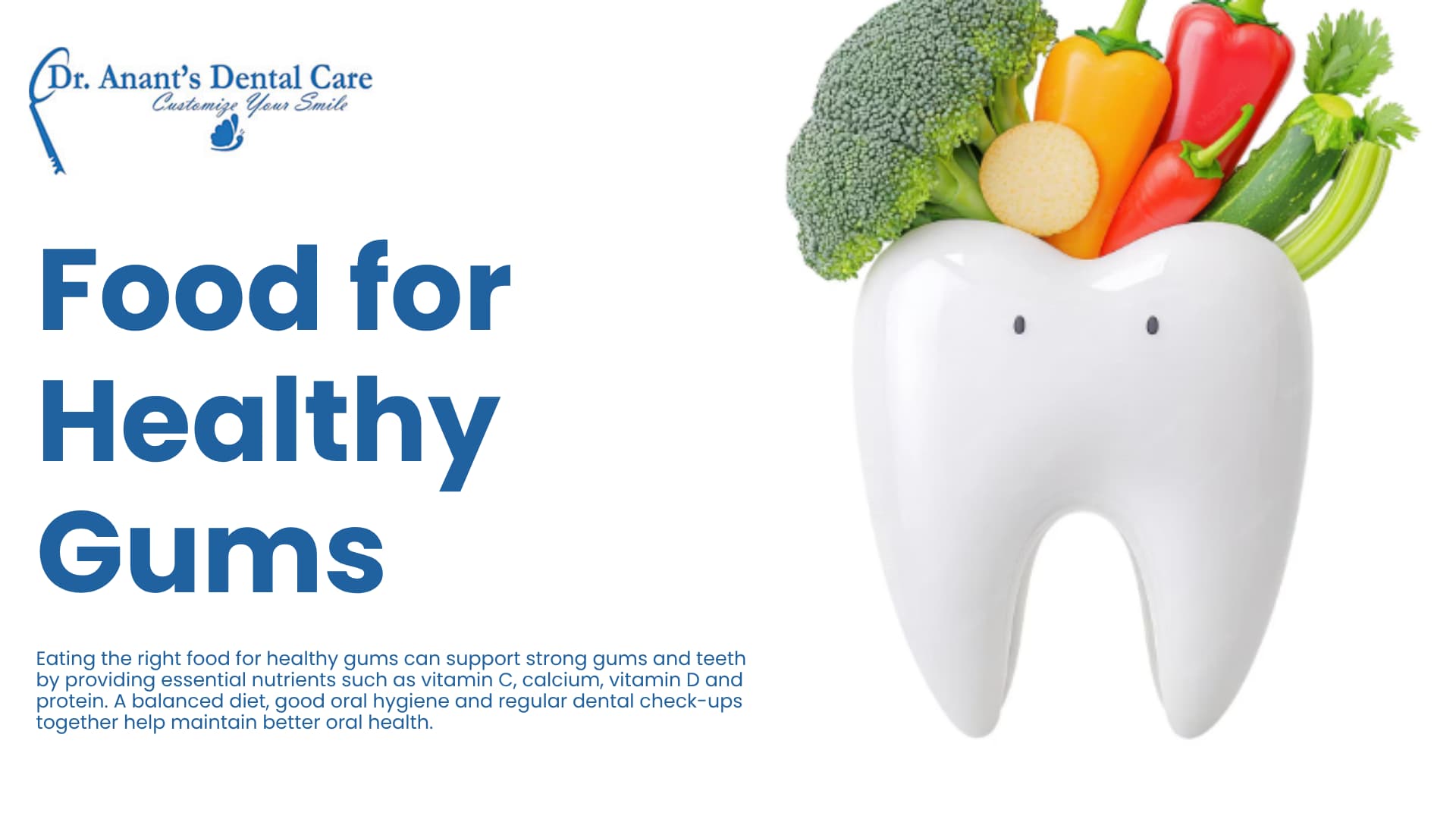
Healthy gums are just as important as healthy teeth, but they are often ignored in daily oral care. What you eat can play an important role in keeping your gums strong and reducing the risk of common problems such as swelling, bleeding and inflammation. Choosing the right food for healthy gums can provide your body with essential vitamins and nutrients that support healthy gum tissue and overall oral health.
Fresh fruits, green vegetables, dairy products, nuts, seeds and other nutrient-rich foods can be a good addition to your daily diet. Nutrients such as vitamin C, calcium, vitamin D and protein are important for maintaining healthy teeth and gums. At the same time, limiting sugary and highly processed foods can also help protect your oral health. In this blog, we will explore the best foods for healthy gums, important nutrients for gum health and simple dietary choices that can help you maintain a healthier smile.
Key Takeaways
- Choose nutrient-rich foods: Include fruits, vegetables, dairy products, nuts, seeds, whole grains and protein-rich foods for better gum and teeth health.
- Get enough vitamin C: Guava, oranges, strawberries, kiwi and bell peppers can support healthy gum tissue.
- Support strong teeth: Calcium and vitamin D from milk, yoghurt, cheese, eggs and fish help maintain strong teeth.
- Limit sugary foods: Reduce sweets, sugary drinks and highly processed snacks to lower the risk of tooth decay.
- Stay hydrated: Drink enough water to support saliva production and help wash away food particles.
- Maintain daily oral care: Brush twice daily, clean between your teeth and visit your dentist regularly.
- Do not ignore gum problems: Persistent bleeding, swelling, pain, redness or gum recession should be checked by a dentist.
Why Is Food Important for Healthy Gums?
The food you eat has a direct impact on your overall health, including the health of your teeth and gums. A balanced diet provides important nutrients that help keep gum tissues strong and support the body’s natural ability to maintain healthy oral tissues. Choosing the right food for healthy gums can help you get essential nutrients such as vitamin C, calcium, vitamin D, protein and antioxidants.
For example, vitamin C supports healthy gum tissue, while calcium and vitamin D are important for strong teeth and the structures that support them. Fresh fruits, vegetables, dairy products, nuts and other nutritious foods can be included as part of a healthy diet. On the other hand, frequent consumption of sugary and highly processed foods may increase the risk of dental problems.
However, healthy eating alone is not enough. Regular brushing, cleaning between your teeth and routine dental check-ups are also important for maintaining healthy gums and a healthy smile.

30 Best Foods for Healthy Gums and Teeth
Eating a balanced diet can support both healthy gums and strong teeth. Foods rich in vitamins, minerals, protein, fibre and antioxidants provide nutrients that help maintain gum tissue, tooth enamel and overall oral health. Here are 30 foods that can be a useful part of a healthy diet.
1. Spinach – Supports Healthy Gums and Strong Teeth
Spinach is rich in vitamin C, calcium and antioxidants. Vitamin C supports healthy gum tissue, while calcium helps maintain strong teeth and enamel. Add spinach to salads, soups or cooked meals.
2. Kale – Provides Calcium for Strong Teeth
Kale contains calcium, vitamin C and antioxidants. Calcium supports strong teeth, while vitamin C helps maintain healthy gums. You can add kale to salads, soups or vegetable dishes.
3. Broccoli – Supports Gum Health and Saliva Production
Broccoli provides vitamin C and fibre and has a naturally crunchy texture. Chewing it can encourage saliva production, which helps wash away food particles and acids from the mouth.
4. Carrots – Helps Keep Teeth Clean
Raw carrots are crunchy and high in fibre. Chewing them can increase saliva flow and help clear food particles from the mouth. They also provide nutrients that support healthy gums and teeth.
5. Sweet Potatoes – Supports Healthy Oral Tissues
Sweet potatoes contain beta-carotene, which the body converts into vitamin A. Vitamin A supports healthy oral tissues, including the gums. They are also a nutritious alternative to highly processed foods.
6. Bell Peppers – Rich in Vitamin C for Healthy Gums
Bell peppers, particularly red and yellow varieties, are rich in vitamin C. This nutrient supports healthy connective tissue and helps maintain the condition of your gums.
7. Tomatoes – Provides Antioxidants for Oral Health
Tomatoes contain vitamin C and antioxidants that can support healthy gum tissue. Include fresh tomatoes in salads, sandwiches or everyday Indian meals as part of a balanced diet.
8. Apples – Encourages Saliva Production
Apples are naturally crunchy and contain fibre. Chewing a whole apple can encourage saliva production, which helps wash away food particles and acids that can affect teeth.

9. Oranges – Supports Healthy Gum Tissue
Oranges are a good source of vitamin C, which is important for maintaining healthy gums. Since citrus fruits are acidic, eat them as whole fruit, rinse with water afterwards and avoid brushing immediately after eating.
10. Strawberries – Supports Gum Health with Vitamin C
Strawberries contain vitamin C and antioxidants that support healthy gum tissue. They can also be a nutritious alternative to processed sweets when eaten without added sugar.
11. Kiwi – Provides Vitamin C for Gums
Kiwi is rich in vitamin C and fibre. Vitamin C supports healthy gum tissue, while fibre makes it a nutritious fruit choice for your overall oral and general health.
12. Papaya – Provides Nutrients for Healthy Gums
Papaya contains vitamin C and antioxidants that support healthy gums. It can be enjoyed fresh as a breakfast or snack instead of highly processed sugary foods.
13. Guava – High in Vitamin C for Gum Health
Guava is particularly rich in vitamin C, which supports healthy gum tissue. Its fibre content also encourages chewing and saliva flow, making whole guava a nutritious fruit choice.
14. Yoghurt – Supports Strong Teeth and a Healthy Mouth
Plain, unsweetened yoghurt provides calcium and protein, which support strong teeth. Some yoghurt varieties also contain beneficial bacteria. Choose unsweetened options to avoid unnecessary added sugar.
15. Milk – Helps Maintain Strong Teeth
Milk provides calcium, phosphorus and protein, which help maintain strong teeth and enamel. Plain milk is a better choice for your teeth than sugary drinks or flavoured beverages with added sugar.
16. Cheese – Supports Tooth Enamel and Saliva Flow
Cheese is rich in calcium and protein, which support strong teeth. Chewing cheese can also stimulate saliva production. Choose plain cheese rather than highly processed varieties with added ingredients.
17. Eggs – Provides Protein and Vitamin D
Eggs are a good source of high-quality protein and contain vitamin D. Vitamin D helps the body absorb calcium, which is important for maintaining healthy teeth and supporting structures.
18. Salmon – Supports Teeth with Vitamin D and Protein
Salmon provides protein, vitamin D and omega-3 fatty acids. Vitamin D helps the body use calcium effectively, while protein supports normal tissue maintenance and overall health.
19. Sardines – Rich in Calcium and Vitamin D
Sardines contain calcium, vitamin D and protein, making them a nutrient-rich food for supporting strong teeth. They also provide omega-3 fatty acids as part of a balanced diet.
20. Almonds – Provides Calcium for Strong Teeth
Almonds contain calcium, protein and other nutrients that support healthy teeth. Choose plain, unsalted almonds and chew them carefully, especially if you have sensitive or damaged teeth.
21. Walnuts – Provides Healthy Fats and Nutrients
Walnuts contain healthy fats and other nutrients that can form part of a balanced diet. Choosing plain walnuts instead of sugary snacks can help reduce frequent exposure to added sugars.
22. Cashews – Provides Minerals for Oral Health
Cashews contain protein and minerals that contribute to a balanced diet. Plain, unsalted cashews can be a better snack choice than sticky sweets or sugar-coated snacks.
23. Chia Seeds – Supports a Nutrient-Rich Diet
Chia seeds provide fibre, omega-3 fatty acids and minerals. Adding them to yoghurt, smoothies or breakfast bowls can increase the nutritional value of your meals and support overall health.
24. Flaxseeds – Provides Omega-3 Fatty Acids
Flaxseeds contain fibre and plant-based omega-3 fatty acids. Ground flaxseeds can be added to yoghurt, smoothies or meals as part of a balanced diet that supports overall health.
25. Sesame Seeds – Provides Calcium for Teeth
Sesame seeds contain calcium and other minerals that support strong teeth. Sprinkle them over salads, vegetables or meals to add nutrients to your daily diet.
26. Pumpkin Seeds – Provides Zinc and Protein
Pumpkin seeds contain protein, zinc and other minerals. These nutrients contribute to overall nutrition and can make a healthier snack when compared with sugary or highly processed foods.
27. Whole Grains – Supports Overall Oral Health
Oats, brown rice and other whole grains provide fibre and important nutrients. Choosing whole grains instead of highly refined carbohydrates can support a balanced diet and better overall health.
28. Green Tea – A Better Alternative to Sugary Drinks
Unsweetened green tea contains antioxidants and can be a healthier beverage choice than sugary soft drinks. Avoid adding excessive sugar, as frequent sugar exposure can increase the risk of tooth decay.
29. Lentils and Pulses – Provides Protein for Healthy Tissues
Lentils, chickpeas, beans and other pulses provide protein, fibre and minerals. They are also easy to include in an Indian diet through dal, chana, rajma and other everyday meals.
30. Water – Keeps the Mouth Hydrated
Water is one of the simplest choices for supporting healthy teeth and gums. It keeps the mouth hydrated, supports saliva production and helps wash away food particles and acids after meals.
A Balanced Diet Is Key for Healthy Gums and Teeth
No single food can keep your gums and teeth healthy on its own. The best approach is to include a variety of fruits, vegetables, dairy products, whole grains, pulses, nuts, seeds and healthy protein sources in your diet. Along with choosing the right food for healthy gums, brush twice daily with fluoride toothpaste, clean between your teeth and visit your dentist regularly. If you have ongoing bleeding, swelling, pain or gum recession, seek professional dental advice rather than relying only on dietary changes.
Vitamins and Nutrients Important for Healthy Gums
Healthy gums need important vitamins and nutrients to stay strong and support your teeth. A balanced diet can help provide these nutrients and improve overall oral health.
Vitamin C supports healthy gum tissue and is found in guava, oranges, strawberries, kiwi and bell peppers. Vitamin D helps the body absorb calcium and can be found in eggs, fatty fish and fortified dairy products. Calcium helps maintain strong teeth and jawbone health, with good sources including milk, yoghurt, cheese, almonds and leafy greens.
Vitamin A supports healthy oral tissues and is found in carrots, sweet potatoes and spinach. Vitamin K contributes to normal blood clotting and bone health and is found in leafy green vegetables. Protein helps maintain body tissues and can be obtained from eggs, fish, dairy products, pulses, nuts and seeds.
Omega-3 fatty acids, fibre and antioxidants also support a balanced diet and overall oral health. Including a variety of nutrient-rich foods can help keep your gums and teeth healthy.
Can Food Help With Bleeding or Swollen Gums?
Yes, a healthy diet can support gum health, but food alone cannot treat the underlying cause of bleeding or swollen gums. Nutrient-rich foods containing vitamin C, vitamin D, calcium, protein and antioxidants can support healthy gum tissue and the body’s normal healing process. Foods such as guava, oranges, leafy greens, yoghurt, eggs, fish and nuts can be included in a balanced diet.
At the same time, it is important to limit sugary snacks, soft drinks and highly processed foods, as frequent sugar exposure can increase the risk of tooth decay and other oral problems. Drinking enough water can also help keep your mouth hydrated and wash away food particles.
If your gums bleed regularly while brushing or eating or remain swollen, red or painful, do not depend only on dietary changes. These symptoms can be linked to plaque buildup, gingivitis, gum disease or other dental problems. A dentist can identify the cause and recommend the right treatment. Good nutrition should be combined with regular brushing, cleaning between teeth and routine dental check-ups.
Other Habits to Keep Your Gums Healthy
Choosing the right food for healthy gums is helpful, but daily oral care is equally important. Simple habits can help keep your gums and teeth clean and reduce the risk of gum problems.
- Brush twice a day: Use a soft-bristled toothbrush and fluoride toothpaste to gently clean your teeth and gumline.
- Clean between your teeth: Floss or use an interdental cleaner regularly to remove plaque and food particles that brushing may miss.
- Use gentle brushing techniques: Avoid brushing too hard, as excessive pressure can irritate the gums and contribute to gum recession.
- Limit sugary foods and drinks: Frequent sugar intake can increase the risk of tooth decay and affect overall oral health.
- Drink enough water: Water helps keep your mouth hydrated and can wash away food particles after meals.
- Avoid tobacco products: Smoking and tobacco use can increase the risk of gum disease and other oral health problems.
- Visit your dentist regularly: Routine dental check-ups and professional cleanings can help identify gum problems early.
- Do not ignore warning signs: Persistent bleeding, swelling, redness, bad breath, gum recession or loose teeth should be checked by a dentist.
Combining a nutritious diet with good oral hygiene and regular dental care is one of the best ways to maintain healthy gums and strong teeth.
When Should You See a Dentist for Gum Problems?
You should see a dentist if your gums bleed regularly, remain swollen or red or cause pain while eating or brushing. Persistent bad breath, gum recession, pus around the gums or loose teeth also need professional attention. Early dental care can help identify gum problems and prevent them from becoming more serious.
Conclusion
Choosing the right food for healthy gums can be an important part of maintaining healthy gums and strong teeth. Nutrient-rich foods such as leafy green vegetables, fruits, dairy products, eggs, fish, nuts, seeds and whole grains provide essential vitamins and minerals that support gum tissue, tooth enamel and overall oral health. Vitamin C, calcium, vitamin D, protein and other nutrients can help support your body’s natural maintenance of healthy gums.
However, food alone cannot prevent or treat every gum problem. Good oral hygiene is equally important. Brush your teeth twice a day with fluoride toothpaste, clean between your teeth regularly, drink enough water and limit sugary foods and drinks. Regular dental check-ups can also help detect gum problems at an early stage.
If you experience persistent bleeding, swelling, redness, pain, bad breath or gum recession, consult a dentist. A healthy diet combined with proper dental care can help you maintain healthier gums and a confident smile.
FAQs
-
Which fruits are good for healthy gums?
Guava, strawberries, kiwi, oranges, papaya and apples can support gum health. Many fruits provide vitamin C and fibre, which support healthy gum tissue and encourage saliva production. Choose whole fruits instead of sugary fruit juices.
-
Can food help strengthen gums?
A balanced diet can support healthy and strong gums by providing essential nutrients such as vitamin C, protein, calcium and vitamin D. However, diet alone cannot treat gum disease or replace proper brushing and professional dental care.
-
Is milk good for gums and teeth?
Yes, milk provides calcium, phosphorus and protein, which support strong teeth and enamel. Plain milk is generally a better choice for oral health than sugary beverages or flavoured drinks containing added sugar.
-
Can food stop bleeding gums?
Food can provide nutrients that support healthy gum tissue, but it cannot necessarily stop persistent bleeding. Regular bleeding may indicate gingivitis or another gum problem. If bleeding continues, consult a dentist for proper evaluation and treatment.
-
What is the best food for healthy gums?
Foods rich in vitamin C, calcium, vitamin D, protein and antioxidants are good for gum health. Guava, leafy greens, yoghurt, milk, eggs, fish, nuts and vegetables can be included in a balanced diet.
-
Is water important for gum health?
Yes, drinking water helps keep your mouth hydrated and supports saliva production. It can also help wash away food particles and acids after eating. Water is a healthier everyday drink choice than sugary beverages.
