


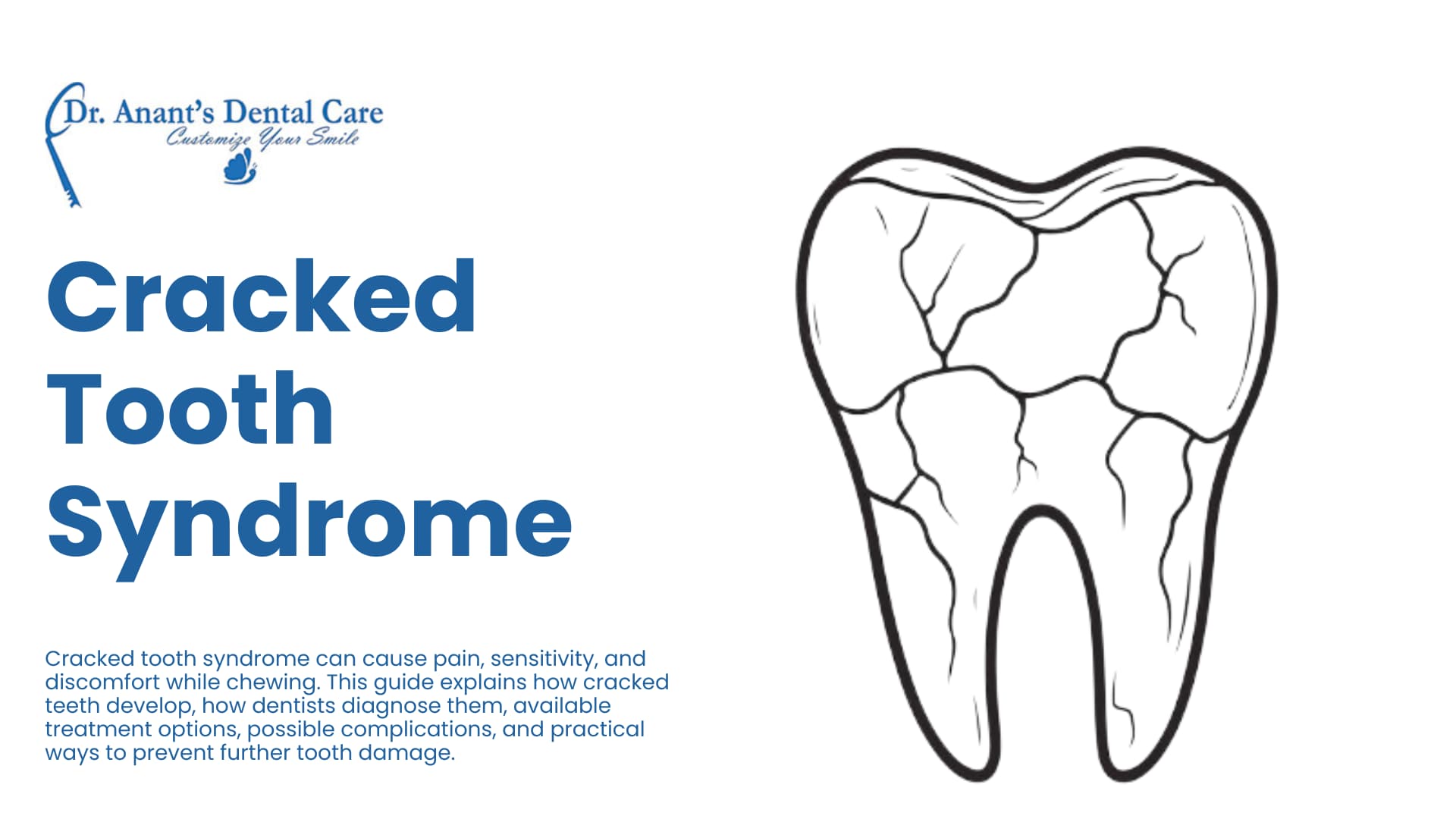
Have you ever felt a sharp pain when you bite or chew, but your tooth looks completely normal? You may be dealing with cracked tooth syndrome, a condition that can be difficult to notice because the crack is often too small to see. It mainly affects adults, especially those between 30 and 50 years of age.
Research on 154 cracked teeth found a nearly equal occurrence in men and women, with 53.9% in men and 46.1% in women. If you notice pain while chewing, sensitivity to hot or cold foods or discomfort that comes and goes, understanding the symptoms and getting your tooth checked early can help prevent the crack from becoming worse.
Key Takeaways
- Recognise the Symptoms: Pain while biting, chewing or sensitivity to hot and cold may indicate a cracked tooth.
- Know the Causes: Hard foods, teeth grinding, large fillings, trauma and natural wear can contribute to cracks.
- Understand the Diagnosis: Dentists may use a clinical examination, bite test and X-rays to identify the problem.
- Explore Treatment Options: Depending on severity, treatment may include bonding, a crown, root canal treatment or extraction.
- Don’t Ignore Cracks: A cracked tooth cannot heal itself and may worsen if left untreated.
- Focus on Prevention: Avoid hard objects, protect your teeth during sports and manage teeth grinding to reduce your risk.
What Is Cracked Tooth Syndrome?
A tooth is made up of several layers and a crack can develop in one or more of them due to pressure or damage. Cracked tooth syndrome refers to a crack that causes symptoms but does not completely separate the tooth into two pieces. The crack may extend in different directions, depending on the type and severity of the damage.
Unlike a fully fractured tooth, the two parts of a cracked tooth may still remain connected. This can allow you to continue using the tooth, even though the crack is gradually affecting its structure. Some cracks may stay limited to the outer enamel, while deeper ones can reach the dentin or pulp.
The condition is most commonly seen in back teeth (molars) because they handle much of the force produced during chewing. A tooth with a large filling, previous dental work or weakened structure may also be more vulnerable to cracking.
If the crack continues to spread, it can weaken the tooth and make restoration more difficult. The treatment your dentist recommends will depend on the location, depth and direction of the crack, as well as how much healthy tooth structure remains.
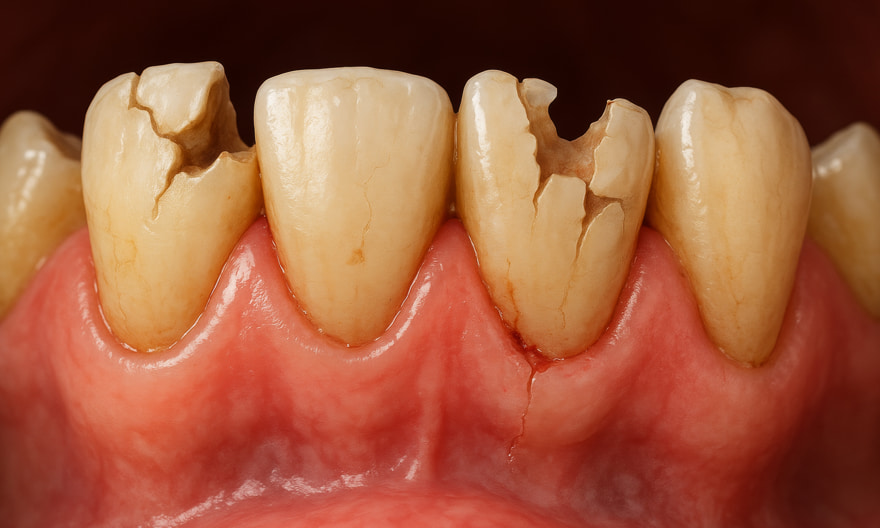
Types of Cracked Teeth
Cracked teeth can vary in their location, size and severity. Common types include:
- Craze lines: Tiny cracks limited to the enamel, usually without symptoms.
- Fractured cusp: A crack around a weakened area, often near a filling.
- Cracked tooth: A crack that extends from the chewing surface toward the root.
- Split tooth: A tooth that has separated into two or more sections.
- Vertical root fracture: A crack that starts in the root and may extend upward.
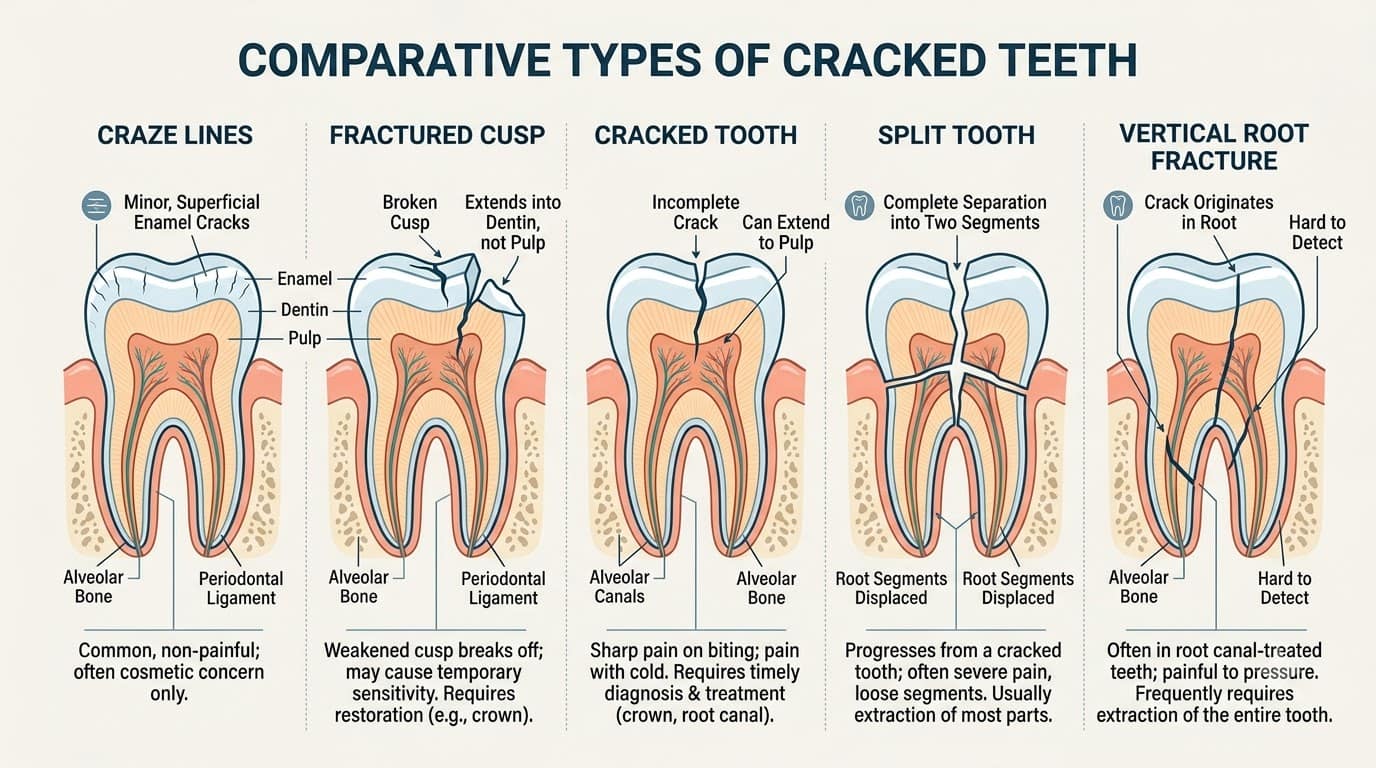
What Causes Cracked Tooth Syndrome?
Your teeth are built to handle daily chewing, but repeated pressure or sudden force can cause a crack to form. Cracked tooth syndrome can develop for several reasons and sometimes more than one factor is involved.
- Biting hard foods: Chewing ice, hard candies, nuts or other tough foods can place excessive pressure on your teeth.
- Teeth grinding or clenching: If you regularly grind or clench your teeth, repeated pressure can gradually weaken the tooth and increase the risk of cracks.
- Large fillings: A tooth with a large filling may have less natural structure left to support it, making it more vulnerable to cracking.
- Dental trauma: A blow to your mouth during sports, an accident or a fall can damage the tooth and cause a crack.
- Sudden temperature changes: Frequently exposing your teeth to very hot and very cold foods or drinks may contribute to expansion and contraction of the tooth structure over time.
- Age-related wear: As you get older, your teeth experience years of chewing and stress, which can make cracks more likely.
Who Is More Likely to Develop a Cracked Tooth?
Your risk may be higher if you have heavily restored teeth, regularly grind your teeth, chew hard objects or have experienced dental injuries. Molars are particularly vulnerable because they absorb strong chewing forces.
What Are the Symptoms of Cracked Tooth Syndrome?
The symptoms of cracked tooth syndrome can vary depending on where the crack is located and how deep it has become. You may not experience constant pain, which can make the condition difficult to identify. In some cases, your symptoms may appear only when you put pressure on the affected tooth.
Pain When Biting or Chewing
One of the most common signs is a sharp or sudden pain when you bite down. You may also feel discomfort when you release your bite, particularly when eating harder foods.
Tooth Sensitivity
Your affected tooth may become sensitive to hot, cold or sweet foods and drinks. Cold beverages or ice cream may cause a sudden sensation that lasts longer than normal, which can be a sign of sensitive teeth.
Pain That Comes and Goes
You may experience pain occasionally rather than continuously. It might disappear for days and return when you chew in a certain way. This irregular pattern can make you think the problem has gone away.
Swollen or Tender Gums
If the crack allows bacteria to reach deeper parts of your tooth, the surrounding tissues can become irritated. You may notice tenderness, redness or gum swelling around the affected tooth.
Discomfort Without an Obvious Cause
Sometimes, you may feel discomfort in a particular tooth without being able to identify exactly where it comes from. The pain can also spread to nearby teeth, making it harder to locate the cracked tooth.
Pain After Eating
You may notice discomfort shortly after chewing, particularly if food or pressure reaches the cracked area. This can be more noticeable with hard, crunchy or sticky foods.
If you notice these symptoms, especially tooth pain while chewing combined with temperature sensitivity, it is worth having your tooth examined. Early evaluation can help identify the crack before it becomes more extensive.
How Is Cracked Tooth Syndrome Diagnosed?
Diagnosing can be difficult because many cracks are too small to be seen during a routine examination. Your dentist will first ask about your symptoms, such as pain when biting, sensitivity and when the discomfort occurs.
The tooth may then be examined using magnification and dental lighting. Your dentist may perform a bite test to identify which tooth causes pain when pressure is applied. A dental probe can also help check for cracks or changes around the gum.
Dental X-rays may be taken to look for related problems, although a crack itself may not always appear on an X-ray. In some cases, your dentist may use transillumination or other tests to help locate the crack.
The diagnosis is based on your symptoms, clinical examination and test results.
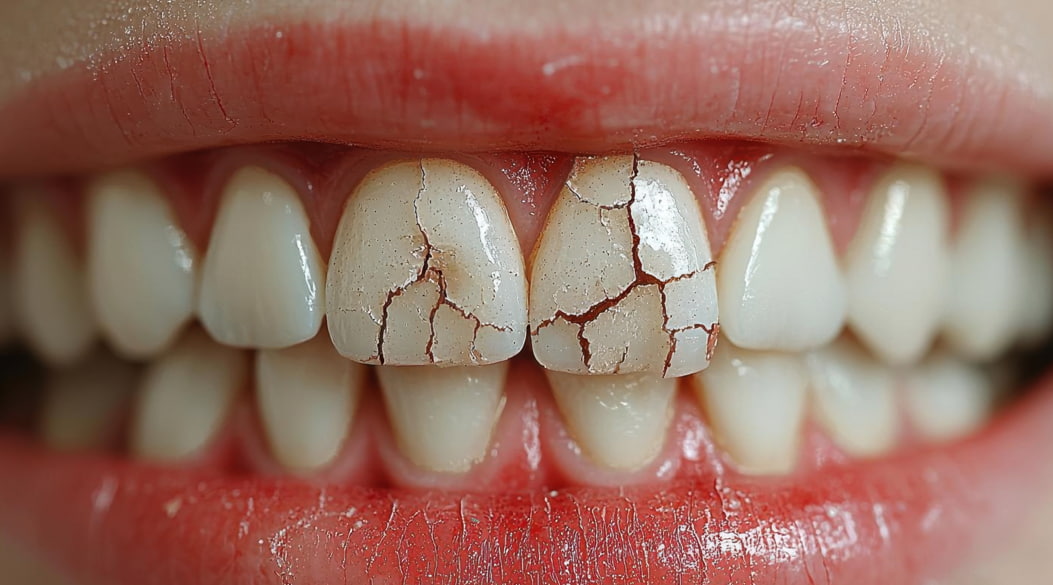
Cracked Tooth Syndrome Treatment
Treatment for cracked tooth depends on the location and severity of the crack and whether the tooth can still be restored.
Dental Bonding or Filling
For some minor cracks or damaged areas, your dentist may use bonding or a filling to restore the tooth. This is considered when enough healthy tooth structure remains.
Dental Crown
A dental crown can cover and protect a weakened or cracked tooth. It may help restore the tooth’s shape, strength and normal function when the tooth is still suitable for restoration.
Root Canal Treatment
If the crack reaches the pulp and causes inflammation or infection, root canal treatment may be needed. The damaged pulp is removed and the tooth is sealed. A crown may then be placed for protection.
Tooth Extraction
If the crack extends below the gum line, the tooth is split or it cannot be predictably restored, your dentist may recommend tooth extraction. Replacement options can be discussed afterward.
Monitoring
Some small craze lines affect only the enamel and may not require treatment. Your dentist may recommend monitoring them if they are not causing symptoms or affecting the tooth’s function.
Can a Cracked Tooth Heal on Its Own?
No, a cracked tooth cannot naturally repair itself once the tooth structure has cracked. Unlike bones, teeth do not have the ability to rebuild a structural crack. However, not every crack requires immediate treatment. Small craze lines that affect only the enamel are common and may simply be monitored by your dentist.
A deeper crack can continue to spread when your tooth is exposed to repeated chewing pressure. If the crack reaches the inner pulp, it can cause inflammation, infection or increasing pain. Leaving the problem untreated may also reduce the chances of saving the tooth.
If you notice pain when biting, sensitivity or recurring discomfort, have your tooth examined by a dentist. Early diagnosis can help determine the extent of the crack and the most suitable treatment for your tooth.
What Happens If a Cracked Tooth Is Left Untreated?
Leaving a cracked tooth untreated can allow the damage to become worse over time. Repeated pressure from chewing may cause the crack to extend deeper into the tooth. As the crack progresses, you may experience increased pain, sensitivity or discomfort when eating.
If the crack reaches the inner pulp, bacteria can enter and cause inflammation or an infection. This may lead to symptoms such as swelling, persistent pain or an abscess around the tooth.
A deeper crack can also weaken the tooth and make it harder to restore. In some cases, a tooth that could initially have been treated may eventually require extraction if the damage becomes extensive.
If you notice symptoms of a cracked tooth, don’t wait for the pain to become severe. A dental examination can help identify the problem and determine appropriate treatment before further damage occurs.

How to Prevent Cracked Tooth Syndrome?
You can lower your risk of cracked tooth by protecting your teeth from excessive pressure, injury and habits that can weaken them over time.
- Avoid hard foods: Don’t chew ice, hard candies or very hard foods that can put extra pressure on your teeth.
- Protect your teeth: Wear a properly fitted mouthguard when playing contact sports.
- Manage teeth grinding: If you grind or clench your teeth, speak with your dentist about suitable protection.
- Don’t use your teeth as tools: Avoid opening packages, bottles or biting hard objects with your teeth.
- Maintain regular dental visits: Routine check-ups can help identify damaged or weakened teeth before problems become more serious.
- Treat dental problems early: Follow your dentist’s advice if you have large fillings, worn teeth or other dental concerns.
These simple steps can help protect your teeth and reduce the chances of cracks developing or becoming worse.
When Should You See a Dentist for a Cracked Tooth?
You should see a dentist if you notice pain when biting or chewing, sudden tooth sensitivity or discomfort that keeps returning. Even if the pain is mild or disappears, the crack may still be present and could worsen with continued pressure.
Seek prompt dental care if you notice swelling around the tooth, persistent pain, signs of infection or damage following an injury. A visible crack or a tooth that feels loose also needs professional evaluation.
Don’t wait for severe pain before getting your tooth checked. A dentist can examine the affected area, identify the likely cause of your symptoms and determine whether the tooth can be restored. Early treatment may help prevent further damage and protect your natural tooth.
Conclusion
Cracked tooth syndrome can be easy to overlook, but symptoms such as pain while biting, sensitivity or recurring discomfort should not be ignored. A cracked tooth cannot heal itself and leaving it untreated may allow the damage to progress or lead to infection.
Your dentist can assess the crack and recommend suitable treatment based on its location and severity. Depending on the condition of your tooth, treatment may include bonding, a dental crown, root canal treatment or extraction.
Taking simple preventive steps, such as avoiding hard foods, protecting your teeth during sports and managing teeth grinding, can also help reduce your risk. If you notice signs of a cracked tooth, getting it checked early can help protect your natural tooth.
FAQs
-
Does every cracked tooth need a root canal?
No. Root canal treatment is generally considered when the crack affects the tooth’s pulp and causes inflammation or infection. Your dentist will assess the tooth before recommending treatment.
-
Can a cracked tooth cause pain in your jaw?
Yes, a painful cracked tooth can sometimes make you change how you bite or chew. This may place extra strain on nearby teeth and jaw muscles, causing additional discomfort.
-
Can a cracked tooth cause headaches?
A cracked tooth itself does not usually directly cause headaches. However, ongoing dental pain, jaw tension or teeth grinding associated with the problem may contribute to head or facial discomfort.
-
What is cracked tooth syndrome?
Its occurs when a tooth develops a crack that may cause pain or sensitivity without completely separating the tooth. The crack can vary in depth and direction.
-
Can a cracked tooth cause pain at night?
A cracked tooth may cause discomfort at different times, including at night. If the pulp becomes inflamed, pain can become more persistent and may disturb your sleep.
-
Can a cracked tooth cause a bad taste in your mouth?
A cracked tooth may allow bacteria to reach deeper areas, particularly if the pulp becomes infected. This can sometimes contribute to an unpleasant taste or bad breath.
