


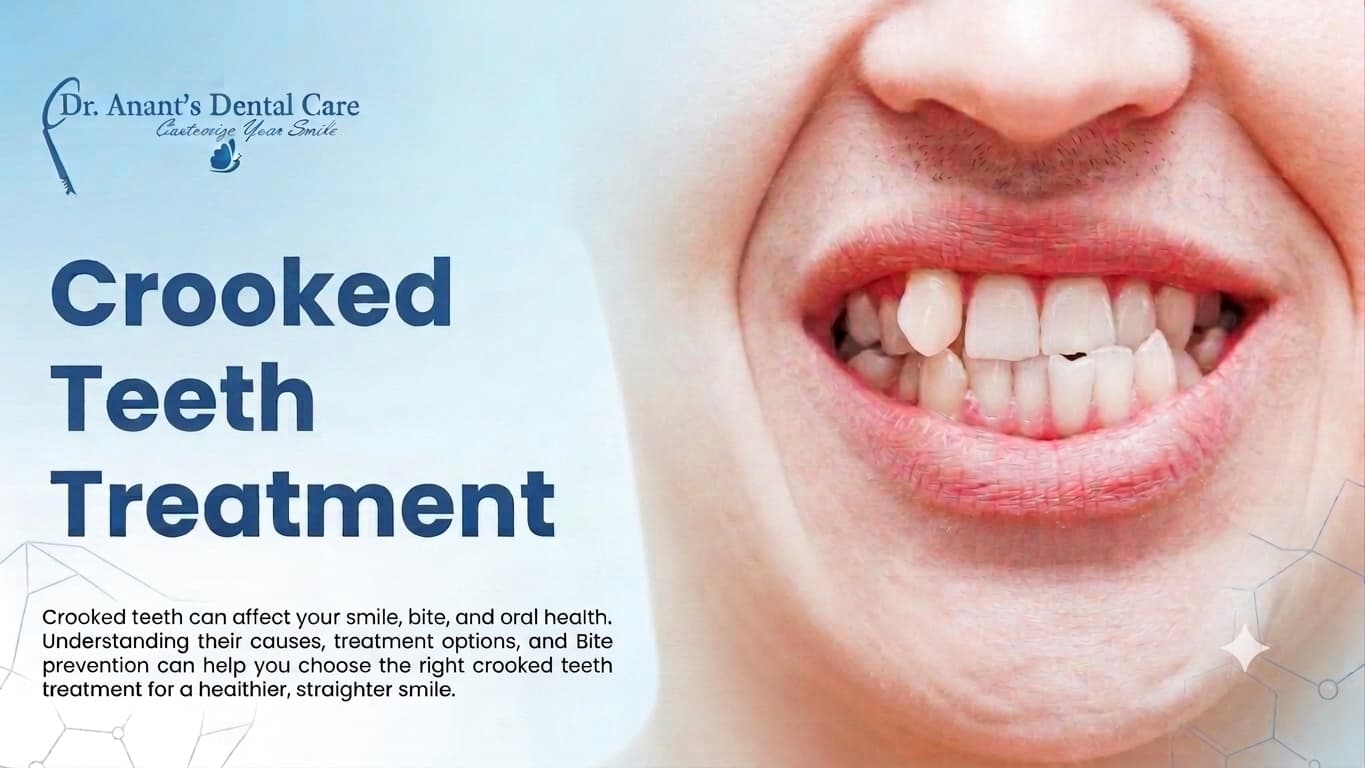
Crooked teeth are more common than you might think and they can affect people of all ages. While many people see them as only a cosmetic concern, crooked teeth can also make it harder for you to clean your teeth properly, chew food comfortably and maintain good oral health. If left untreated, they may increase your risk of cavities, gum disease, jaw pain and bite problems.
The good news is that crooked teeth treatment has become more advanced than ever, with several effective options available for both children and adults. Whether your teeth are slightly misaligned or severely crowded, the right treatment can improve your smile, bite and overall dental health. In this guide, you will learn about the common causes of crooked teeth, the different treatment options, whether crooked teeth can be fixed without braces and simple ways to prevent them from getting worse. Understanding your treatment options will help you make informed decisions and take the first step towards achieving a healthier and more confident smile.
Quick Takeaways
- What Are Crooked Teeth?:Teeth that are misaligned, crowded, or uneven can affect your smile, bite, and overall oral health.
- Common Causes: Genetics, thumb sucking, early tooth loss, jaw size, and poor oral habits are common causes of it.
- Treatment Options: Braces, clear aligners, ceramic braces, retainers, and jaw surgery can effectively straighten.
- Effects on Oral Health: Untreated this can increase the risk of cavities, gum disease, jaw pain, and chewing difficulties.
- Can They Be Fixed?: Mild cases may improve with aligners or cosmetic treatments, while severe cases usually need orthodontic treatment.
- Early Care Matters: Timely dental consultation and good oral hygiene help achieve a healthier, straighter smile and prevent future complications.
Table of Contents
What Are Crooked Teeth?
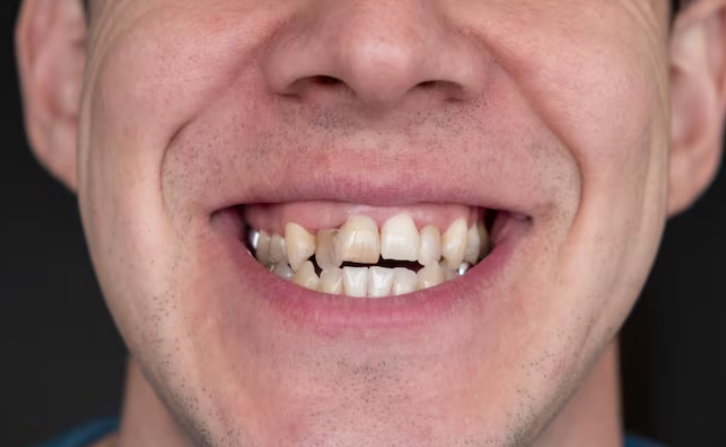
Crooked teeth are teeth that grow or sit outside their ideal position. They may appear twisted, overlapping, crowded or uneven, affecting how the upper and lower teeth meet when you bite. This form of dental misalignment can range from mild to severe.
The condition may affect a single tooth, several teeth or the entire bite. It can become noticeable during childhood or develop as permanent teeth emerge. Common signs include crowding, gaps and teeth that sit outside the natural dental arch.
Misaligned teeth may be harder to clean effectively, allowing plaque to collect in difficult-to-reach areas. This can increase the risk of tooth decay, gum problems and bad breath. In some cases, the condition may also affect chewing, speech or bite comfort.
Fortunately, orthodontic treatments such as braces and clear aligners can improve tooth alignment, oral health and the appearance of your smile.
Signs You May Need Treatment for Crooked Teeth
It can affect more than the appearance of your smile. Treatment may be worth considering if their position causes any of the following problems:
- Crowded or overlapping teeth: Teeth may sit too close together, overlap or appear twisted.
- Difficulty cleaning: Tight or uneven spaces can make brushing and flossing less effective.
- Food getting trapped: Gaps and overlapping areas may frequently collect food and plaque.
- Problems biting or chewing: Poorly positioned teeth can make it uncomfortable to bite or chew certain foods.
- An uneven bite: Your upper and lower teeth may not meet properly when your mouth closes.
- Tooth or gum problems: Difficult-to-clean areas may increase the likelihood of decay, gum inflammation and bad breath.
- Concerns about your smile: The position of your teeth may make you feel self-conscious when smiling or speaking.
If you notice these signs, a dentist or orthodontist can examine your teeth and recommend suitable treatment options.
What Causes Crooked Teeth?
It can develop due to several factors and in many cases, more than one cause is involved. It can help you take early steps to protect your smile and seek timely treatment. While some causes cannot be prevented, others can be managed with proper dental care and healthy habits.
Genetics
Your genes play an important role in the alignment of your teeth and jaw. If your parents or close family members have crooked teeth, crowded teeth or bite problems, you may also be more likely to develop similar dental issues.
Thumb Sucking and Pacifier Use
Thumb sucking or prolonged pacifier use beyond the recommended age can affect the growth of your jaw and the position of your teeth. These habits may cause your front teeth to move forward or become misaligned.
Early Loss of Baby Teeth
Baby teeth help guide permanent teeth into their correct positions. If a baby tooth falls out too early due to injury or decay, nearby teeth may shift into the empty space, causing permanent teeth to erupt crooked.
Jaw Size and Tooth Crowding
Sometimes, the jaw may not have enough room for all the permanent teeth to grow into their proper positions. As a result, the teeth can become crowded, twisted or overlapping, a common cause of dental misalignment.
Mouth Breathing
Chronic mouth breathing during childhood can influence the development of your jaw and facial bones. Over time, it may contribute to poor tooth alignment and bite problems.
Poor Oral Habits
Habits such as tongue thrusting, nail biting or constantly pushing your tongue against your teeth can gradually affect tooth position and increase the risk of developing misaligned teeth.
Crooked Teeth Treatment Options
The right treatment depends on your age, the severity of tooth misalignment, your bite and your overall oral health. Today, several advanced treatment options are available to straighten teeth and improve your smile. Your dentist or orthodontist will recommend the most suitable option after examining your teeth and jaw alignment.
Metal Braces
Metal braces are one of the most effective and commonly used treatments. They use metal brackets and wires to gradually move your teeth into the correct position. Metal braces are suitable for mild, moderate and severe alignment problems and provide reliable long-term results.
Ceramic Braces
Ceramic braces work like traditional metal braces but use tooth-coloured or clear brackets that blend with your natural teeth. They are less noticeable and are often preferred by teenagers and adults who want a more discreet treatment option.
Clear Aligners
Clear aligners for crooked teeth, also known as crooked teeth aligners, are transparent removable trays that gradually straighten your teeth. They are comfortable, nearly invisible and allow you to eat, brush and floss without the restrictions associated with fixed braces.
Lingual Braces
Lingual braces are attached to the inner surface of your teeth instead of the front. Since they remain hidden from view, they are a good choice if you want an invisible orthodontic treatment. However, they may require a longer adjustment period.
Retainers
Retainers are usually worn after braces or aligner treatment to keep your teeth in their new position. They help prevent your teeth from shifting back and maintain the results of your smile correction treatment.
Orthognathic Surgery
If you have severe jaw misalignment that cannot be corrected with braces or aligners alone, your dentist may recommend orthognathic (jaw) surgery. This treatment is usually reserved for complex cases and is often combined with orthodontic treatment to achieve proper alignment and function.
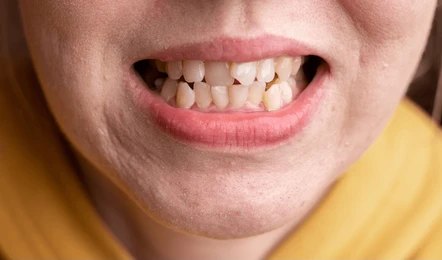
Can Crooked Teeth Be Fixed Without Braces?
This is a question I have often been asked throughout my dental career. The answer depends on the position of your teeth, the condition of your bite and the result you hope to achieve.
Clear aligners are a discreet alternative to traditional braces. These custom-made, removable trays apply gentle pressure to move the teeth gradually. They can treat many cases, although their suitability must be assessed by a dentist or orthodontist.
If the concern is mainly cosmetic, veneers may help create a more even-looking smile. These thin shells cover the front of the teeth rather than changing their position. Sometimes veneers require careful planning and may involve removing some natural enamel, they are not suitable for everyone.
Dental bonding may also improve the appearance of a slightly uneven tooth. A tooth-coloured material is shaped and polished to create a more balanced look. Like veneers, bonding changes the tooth’s appearance without correcting the underlying position or bite.
More complex cases involving significant crowding, rotation or bite problems generally require orthodontic care. A professional assessment will help determine whether clear aligners, traditional braces or a cosmetic procedure is the most appropriate option.
Effects of Crooked Teeth
The position of your teeth can influence your oral health as well as the appearance of your smile. The effects vary from person to person, but may include:
- Difficulty cleaning: Crowded or overlapping areas can be harder to brush and floss, allowing plaque to build up.
- Tooth decay: When food and plaque remain in difficult-to-reach spaces, the risk of cavities may increase.
- Gum problems: Inadequate cleaning around the gumline can contribute to redness, swollen gums or gum bleeding.
- Biting and chewing difficulties: An uneven bite may make it uncomfortable to bite or chew certain foods.
- Uneven tooth wear: Teeth that do not meet correctly may experience additional pressure and wear over time.
- Speech changes: In some cases, tooth position can affect the pronunciation of certain sounds.
- Reduced confidence: Some people may feel self-conscious about their teeth when smiling or speaking.
Conclusion
Crooked teeth can affect your appearance, oral hygiene and, in some cases, the way you bite or chew. Treatment options include braces and clear aligners, but the right approach depends on the position of your teeth, your bite and your individual needs.
If you are concerned about crowding, overlapping teeth or changes in your bite, speak with a dentist or orthodontist. A professional assessment can help you understand your options and decide whether treatment would benefit your oral health and smile. Regular dental check-ups and good daily hygiene are also essential for keeping your teeth and gums healthy.
FAQ
-
What happens to crooked teeth after braces?
After completing treatment, its are usually straight and properly aligned. Wearing your retainer as instructed is essential to prevent your teeth from shifting back and to maintain your treatment results over the long term.
-
Why are my teeth so crooked?
If you wonder the reasons may include genetics, jaw size, thumb sucking, early loss of baby teeth or poor oral habits. A dental examination can identify the exact cause and the best treatment option.
-
What causes teeth to grow crooked?
Several factors explain including inherited jaw structure, overcrowding, prolonged thumb sucking, mouth breathing, and early tooth loss. These factors can affect how permanent teeth erupt and align.
-
Are metal braces for crooked teeth effective?
Yes, Its are one of the most effective orthodontic treatments. They gradually move teeth into the correct position and are suitable for mild, moderate, and severe alignment problems, providing reliable long-term results.
-
Can crooked teeth be fixed without braces?
Yes, Its depends on the severity of the problem. Mild cases may be treated with clear aligners or cosmetic procedures, while severe misalignment usually requires braces for the best and most stable results.
-
Are crooked teeth aligners effective?
Yes, Its are an effective treatment for mild to moderate tooth misalignment. These clear, removable trays gradually straighten your teeth while allowing you to eat, brush, and floss comfortably throughout the treatment period.
