


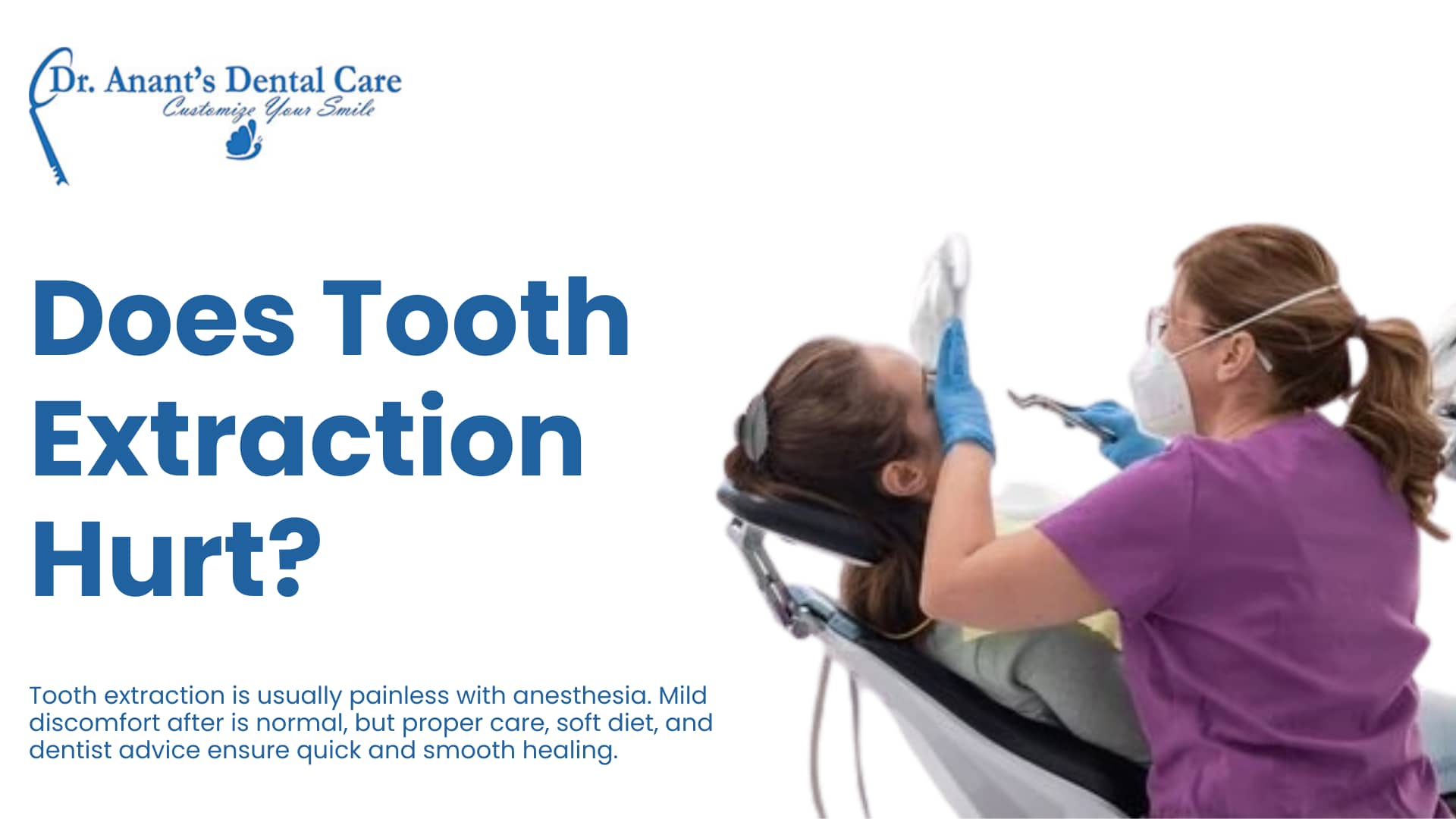
Tooth extraction is a common dental procedure, but for many people, the first question that comes to mind is – does tooth extraction hurt? It’s natural to feel anxious, especially if you have never experienced a dental procedure before. In reality, modern dentistry has made tooth removal much more comfortable than it used to be. According to dental reports, nearly 70-80% of adults may need a tooth extraction at some point due to decay, infection or wisdom teeth issues.
In my clinical experience as a dentist, I have seen that most patients are more afraid of the idea of pain than the actual procedure. With proper anesthesia, the process is usually painless and what patients feel is mostly slight pressure rather than sharp pain. However, mild discomfort after the procedure is normal and manageable with proper care. Understanding what to expect can reduce fear and help you feel more confident. Knowing the truth behind tooth extraction hurts can make your entire experience much less stressful.
Table of Contents
What is Tooth Extraction?
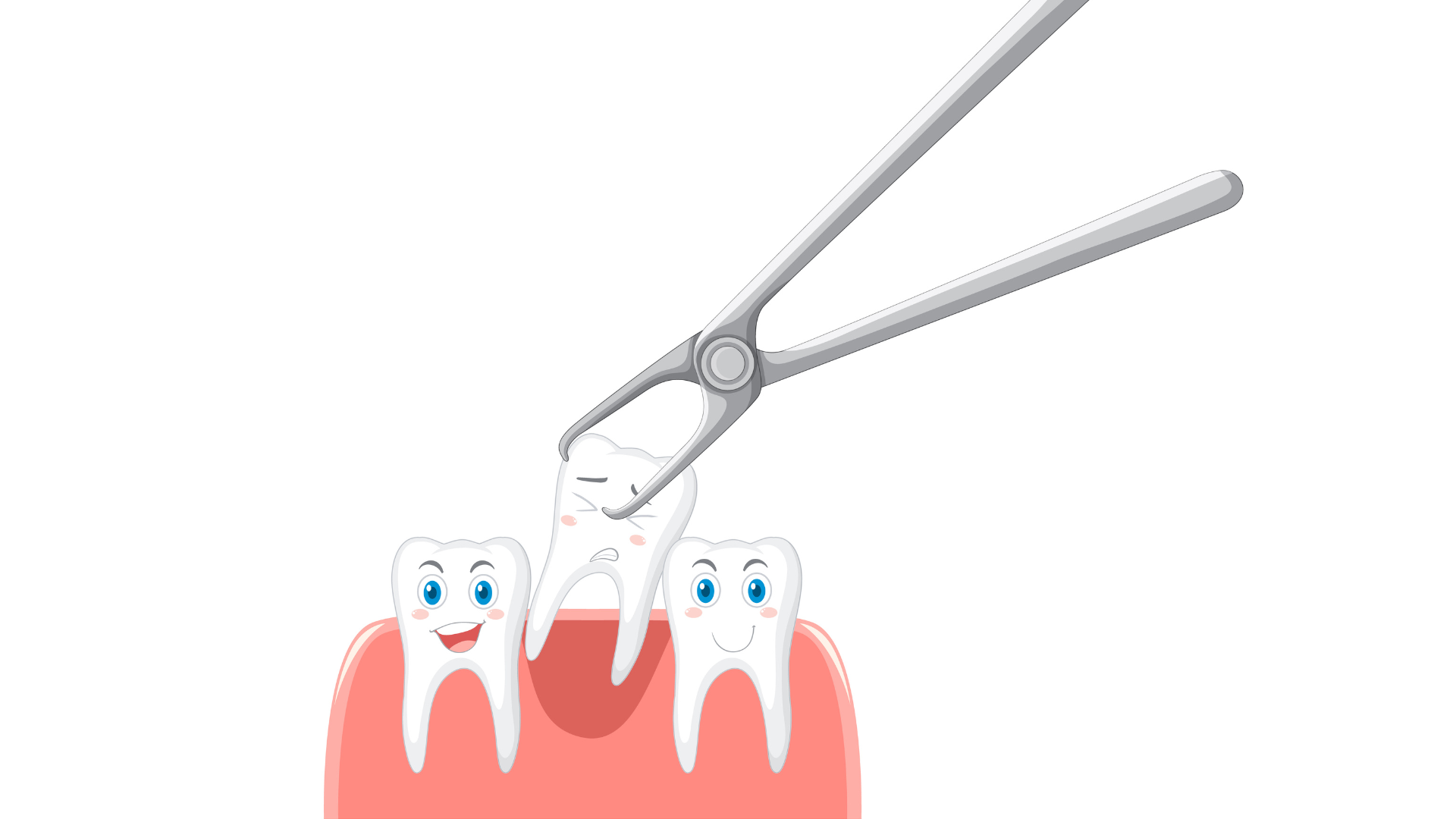
Tooth extraction is a dental procedure in which a tooth is removed from its socket in the jawbone. Its is usually recommend when your tooth is severely decayed, damaged, infected or cannot be saved with treatments like fillings or root canal therapy. It may also be needed in cases of overcrowding, gum disease or problematic wisdom teeth causing pain and swelling.
The procedure is performed under local anesthesia to numb the area, ensuring a comfortable experience. You may feel slight pressure, but not pain. Tooth extraction is a routine and safe treatment when done properly. With the right aftercare, the area heals well and you can return to normal activities within a few days without major discomfort.
Types of Tooth Extraction
Tooth extraction methods depend on the position and condition of your tooth. Based on this, dentists choose the most suitable approach to ensure safe removal and smooth healing with minimal discomfort.
Simple Extraction
A simple extraction is done when your tooth is visible and easily accessible. The dentist carefully loosens your tooth and removes it using dental instruments. It is usually quick and involves minimal recovery time.
Surgical Extraction
A surgical extraction is needed when your tooth is not fully visible or is difficult to access. The dentist carefully removes it using a more controlled approach to protect surrounding tissues and ensure proper healing.
Does Tooth Extraction Hurt?
This is the most common question patients ask – does tooth extraction hurt? The simple and honest answer is: the procedure itself usually does not hurt, but you may feel some discomfort before and after it.
Let’s understand this clearly so you know what to expect.
During the Procedure
Modern dentistry focuses strongly on patient comfort. Before starting, the dentist gives local anesthesia to numb the area completely. You might feel a small pinch during the injection, but after that your tooth and surrounding gums become numb.
Once numb, the dentist begins the procedure. At this stage you feel pressure or movement, but not pain. This pressure can feel unusual, especially if it’s your first extraction, but it is completely normal. The actual removal usually takes only a few minutes in simple cases.
From my clinical experience, I have seen that patients who stay relaxed and trust the process feel almost no pain during the procedure. Anxiety often makes your experience feel worse than it actually is.
After the Procedure
After the extraction, once the anesthesia wears off, you may feel mild to moderate pain or soreness. This is a natural part of healing. The first 24 hours are usually the most sensitive and you may also notice slight swelling.
This discomfort is manageable. Dentists usually prescribe pain relief medicines and simple steps like using ice packs and eating soft foods help a lot. Most patients start feeling better within 2-3 days.
Pain Timeline (What to Expect)
- First 24 hours: Mild bleeding, swelling and discomfort
- Day 2-3: Pain reduces gradually, swelling improves
- Day 4-7: Significant relief, normal routine starts returning
If pain suddenly increases after a few days instead of improving, it may be a sign of a condition called dry socket and you should consult your dentist.
Factors That Affect Tooth Extraction Pain
The pain experienced after tooth extraction is not the same for everyone. Several factors can influence how much discomfort you feel during and after the procedure. Understanding these factors helps you manage expectations and ensures a smoother recovery if you are wondering does tooth extraction hurt?
- Condition of the Tooth: If your tooth is badly decayed or infected, the surrounding tissues may already be inflamed. This can lead to slightly more discomfort after extraction compared to a healthy tooth. Proper cleaning and medication help reduce this pain effectively.
- Complexity of the Extraction: Simple extractions usually cause less discomfort, while difficult cases may lead to more soreness. The more effort required to remove your tooth, the more the surrounding tissues are affected, which can increase post-procedure sensitivity and healing time.
- Pain Tolerance and Anxiety: Every person has a different pain threshold. Patients who feel anxious or stressed often perceive more discomfort. Staying relaxed and understanding the procedure can help you to reduce fear and make the overall experience feel much easier.
- Post-Extraction Care: Following proper aftercare plays a major role in pain management. Taking medicines on time, avoiding hard foods and maintaining oral hygiene can reduce discomfort. Ignoring instructions may lead to increased pain or complications like delayed healing.
- Oral Hygiene and Healing Ability: Good oral hygiene supports faster healing and reduces the risk of infection. If you had better healing capacity and clean oral habits usually experience less pain, while poor hygiene can increase discomfort and prolong recovery time.
Signs of Complications
After tooth extraction, mild pain, swelling and slight discomfort are normal. However, certain symptoms may indicate a complication and should not be ignored. Recognising these signs early helps in getting timely treatment and avoiding serious issues.
- Severe or Increasing Pain After 3-4 Days – Pain should gradually reduce. If it suddenly becomes worse instead of improving, it may be a sign of dry socket, which requires immediate dental care.

- Persistent Bleeding – Light bleeding is normal for a few hours, but if it continues for a long time or becomes heavy, it needs attention from your dentist.
- Swelling That Worsens – Mild swelling is expected, but increasing swelling, especially with pain or difficulty in opening the mouth, may indicate infection.
- Bad Taste or Foul Smell – A constant bad taste or unpleasant smell from the extraction site can be a sign of infection or improper healing.
- Fever or Weakness – Fever, chills or feeling unwell after extraction may suggest your body is fighting an infection.
From my clinical experience, patients who seek early treatment for these signs recover quickly and avoid further complications.
Day-Wise Diet After Tooth Extraction
Following a proper day-wise diet helps you in faster healing and reduces discomfort after tooth extraction. Here’s a simple and practical guide you can follow:
Day 1 (First 24 Hours)
Stick to liquid and very soft foods only.
- Cold milk, yogurt, smoothies (no straw)
- Applesauce, fruit puree
- Clear vegetable or chicken soup
👉 Avoid hot food and chewing. Keep everything cool or lukewarm to protect the blood clot.
Day 2-3
Continue soft foods with slightly more thickness.
- Mashed potatoes
- Oatmeal (well-cooked)
- Scrambled eggs
- Thick soups
👉 Eat slowly and avoid spicy or crunchy foods.
Day 4-5
You can start adding semi-soft foods.
- Soft rice with dal
- Khichdi
- Well-cooked vegetables
👉 Chew on the opposite side and take small bites.
Day 6-7
Gradually move towards a normal soft diet.
- Soft chapati with dal
- Paneer (soft)
- Idli, upma
- Tender chicken (if non-veg)
👉 Still avoid hard, fried and spicy foods.
What Not to Do After Tooth Extraction to Avoid Pain
After tooth extraction, certain habits can disturb the healing process and increase pain or complications. Avoiding these mistakes is just as important as following the right care, especially if you are concerned about does tooth extraction hurt? and want a smooth recovery.
- Do not smoke or consume tobacco – Smoking can delay healing and increase the risk of dry socket by affecting blood flow and dislodging the clot.
- Avoid using straws – The suction created while using a straw can dislodge the blood clot from the socket, leading to severe pain and delayed healing.
- Do not eat hard, spicy or crunchy foods – These foods can irritate the extraction site, cause bleeding and slow down recovery.
- Avoid touching the area – Do not poke the wound with your tongue or fingers, as this can introduce bacteria and disturb the healing tissue.
- Do not rinse your mouth forcefully – Especially in the first 24 hours, aggressive rinsing can remove the protective clot and increase bleeding.
From my clinical experience, patients who avoid these common mistakes recover much faster and face fewer complications after tooth extraction.
Tips to Make Tooth Extraction Painless
You may feel anxious before a tooth extraction, but a few simple steps can make the experience much more comfortable and stress free. Proper preparation and care play a key role in reducing pain and ensuring smooth healing.
- Choose an experienced dentist – A skilled dentist performs the procedure gently and efficiently, which reduces your discomfort during and after extraction.
- Stay calm and relaxed – Anxiety can make you feel more pain than usual. Try to stay relaxed, breathe normally and trust the procedure.
- Follow pre and post care instructions – Simple steps like eating light before the procedure and taking medicines on time help you in reducing pain and speeding up recovery.
- Use ice packs after extraction – Applying ice on the cheek helps reduce swelling and numb the area naturally, making you feel more comfortable.
Conclusion
Tooth extraction is a common dental procedure and you may wonder, does tooth extraction hurt? While the thought of it may cause anxiety, modern dentistry ensures the process is generally comfortable and safe. With proper local anesthesia you typically feel little to no pain during the procedure, experiencing only slight pressure or movement.
Mild discomfort or soreness after the extraction is normal, especially in the first 24-48 hours and can be managed with prescribed pain relief, ice packs and a soft diet. Following day-wise dietary guidance and avoiding habits like smoking, using straws or consuming hard and spicy foods significantly aids in faster healing.
Post extraction pain can vary depending on factors such as tooth condition, complexity of the extraction, personal pain tolerance and adherence to aftercare instructions. Recognizing early signs of complications, such as increasing pain, prolonged bleeding or swelling, is essential for timely intervention and preventing further issues.
By choosing an experienced dentist, staying calm during the procedure and following recommended care steps, most patients experience minimal discomfort and a smooth recovery. Understanding the process and being prepared help you to reduce fear, making tooth extraction a straightforward and manageable experience, leading to better oral health in the long run.
Frequently Asked Questions (FAQs)
-
How long does a tooth extraction take?
A simple extraction usually takes 10-20 minutes. Surgical extractions may take longer depending on tooth position and complexity. Most procedures are quick and modern techniques ensure minimal discomfort and efficient removal.
-
What foods can I eat after extraction?
Start with soft foods like yogurt, smoothies, mashed potatoes and soups. Gradually move to semi-soft foods over 4-5 days. Avoid hard, spicy or crunchy items to prevent irritation and protect the healing site.
-
How should i prepare for a tooth extraction?
You can prepare for a tooth extraction by eating a light meal before your appointment, unless your dentist advises otherwise. Inform your dentist about any medical conditions or medicines you are taking. Stay calm, follow instructions and arrange rest after the procedure.
-
Does tooth extraction hurt?
Tooth extraction usually does not hurt during the procedure because the area is numbed with local anesthesia. You may feel slight pressure, not pain. After the extraction, mild discomfort is normal and can be managed easily with medicines and proper care.
-
What is dry socket and how can I prevent it?
Dry socket occurs when the blood clot is dislodged from the extraction site, causing severe pain. Avoid smoking, using straws or poking the area. Follow dentist instructions to reduce the risk.
-
Should i take painkillers after tooth extraction?
Yes, you can take painkillers after tooth extraction, but it is important to take them only after consulting your dentist. They will suggest the right medicine and dosage based on your condition to ensure safe pain relief and proper healing.
