



Have you ever felt sudden tooth sensitivity or noticed a tiny white or brown spot on your teeth and wondered if it might be the start of tooth decay? Many people experience these early signs without realizing how quickly the problem can worsen if ignored.
In India, dental issues are rising rapidly, with research showing that nearly 60–65% of the population is affected by dental caries (tooth decay) during their lifetime. The global picture is similar. According to the World Health Organization (WHO), over 2.3 billion people worldwide suffer from dental caries on their teeth, we can say that in 2025 dental problem is one of the most common chronic health conditions across all age groups.
What makes its concerning is that it develops silently in multiple stages. The earliest stages are easy to miss. It’s very important to understand the stages of tooth decay by knowing the stages you can make timely decisions to protect your teeth and prevent serious damage.
Table of Contents
What Is Tooth Decay?
Tooth decay is also known as dental caries This is the condition when your teeth’s hard outer layer of the tooth (enamel) breaks down due to acids produced by bacteria in your mouth. When you consume sugary or starchy foods, these bacteria convert them into acids that attack your tooth surface.
If untreated it can progress deeper into the dentin and pulp, causing pain, sensitivity, infection, and even tooth loss. It is one of the most common oral health problems worldwide and affects you at any age, including children. Poor oral hygiene, frequent snacking, dry mouth, and inadequate fluoride intake increase the risk. Understanding causes and symptoms helps you in treatment and preventing long-term dental damage.
What Causes Tooth Decay & Its Symptoms
This develops slowly due to bacterial activity, acids, and lifestyle habits that weaken the enamel. Understanding what triggers decay and how early symptoms appear can help you detect issues sooner and prevent deeper dental damage.
Causes Of Tooth Decay
Tooth decay begins when your daily habits and underlying conditions create an acidic environment that weakens enamel. These factors make teeth more vulnerable to bacterial attacks, eventually leading to cavities and deeper structural damage.
• Frequent Sugar Exposure – Regular intake of sweets or sticky snacks fuels bacteria, allowing them to release acids that slowly erode enamel.
• Low Saliva Protection – Reduced saliva flow from dehydration, medications, or mouth breathing limits the mouth’s natural ability to neutralize acids.
• Naturally Vulnerable Tooth Structure – Deep grooves or softer enamel trap food easily, making certain individuals more prone to quicker decay.
• Acid Exposure From Health Issues – Conditions like GERD or chronic vomiting bring strong stomach acids into the mouth, weakening enamel repeatedly.
• Poor Dietary Support – Insufficient minerals and vitamins reduce the enamel’s ability to remineralize, making decay progress faster.
Symptoms of Tooth Decay
Symptoms of tooth decay appear gradually and often go unnoticed at first. Recognizing these early changes helps you to prevent the decay from spreading deeper and damaging the inner layers of your teeth.
• Early Surface Discoloration – White or brown spots on your teeth surface signal the first signs of mineral loss and weakened enamel.
• Sensitivity During Eating – If you’re feeling discomfort while consuming hot, cold, or sweet foods indicates the dentin layer is becoming exposed.
• Persistent Unpleasant Odor – A foul smell or bad taste can occur as bacteria form pockets inside early cavities.
• Visible Surface Irregularities – Small pits or rough areas on teeth suggest enamel is breaking down and cavities are forming.
• Sudden Sharp Pain – Deeper decay irritates the inner nerve, leading to spontaneous or chewing-related pain.
The 5 Stages of Tooth Decay
Tooth decay progresses slowly, moving through multiple stages of tooth decay that begin with mild enamel damage and end with severe infection if ignored. Each stage reflects deeper bacterial activity inside the tooth, making it essential to understand how decay develops and worsens over time.
Stage 1: Initial Demineralization
The earliest stage of tooth decay begins when bacteria in plaque start to attack your tooth’s enamel, the hard, protective outer layer. This process is called demineralization, where essential minerals like calcium and phosphate are slowly eroded.
At this point, the enamel may appear slightly chalky white or discolored, but most people do not notice any discomfort. Because enamel has no nerves, pain is absent at this stage.
This is a critical window of opportunity: if caught early your tooth decay can be reversed through fluoride treatments, improved oral hygiene, and dietary changes. Unfortunately, many people miss these early signs and the process advances further.

Stage 2: Enamel Decay
If demineralization continues unchecked, the damage to enamel deepens and small holes begin to form on your tooth. Unlike the early stage, enamel decay is permanent and cannot repair itself naturally once the structure is compromised.
Visually, the tooth may show brown, black, or visible spots on the surface. While pain may still be minimal, you may notice mild sensitivity when eating sweets or drinking cold beverages.
At this stage, professional dental treatment becomes necessary. A dentist typically removes the decayed portion and restores your tooth with a filling, preventing bacteria from spreading deeper.
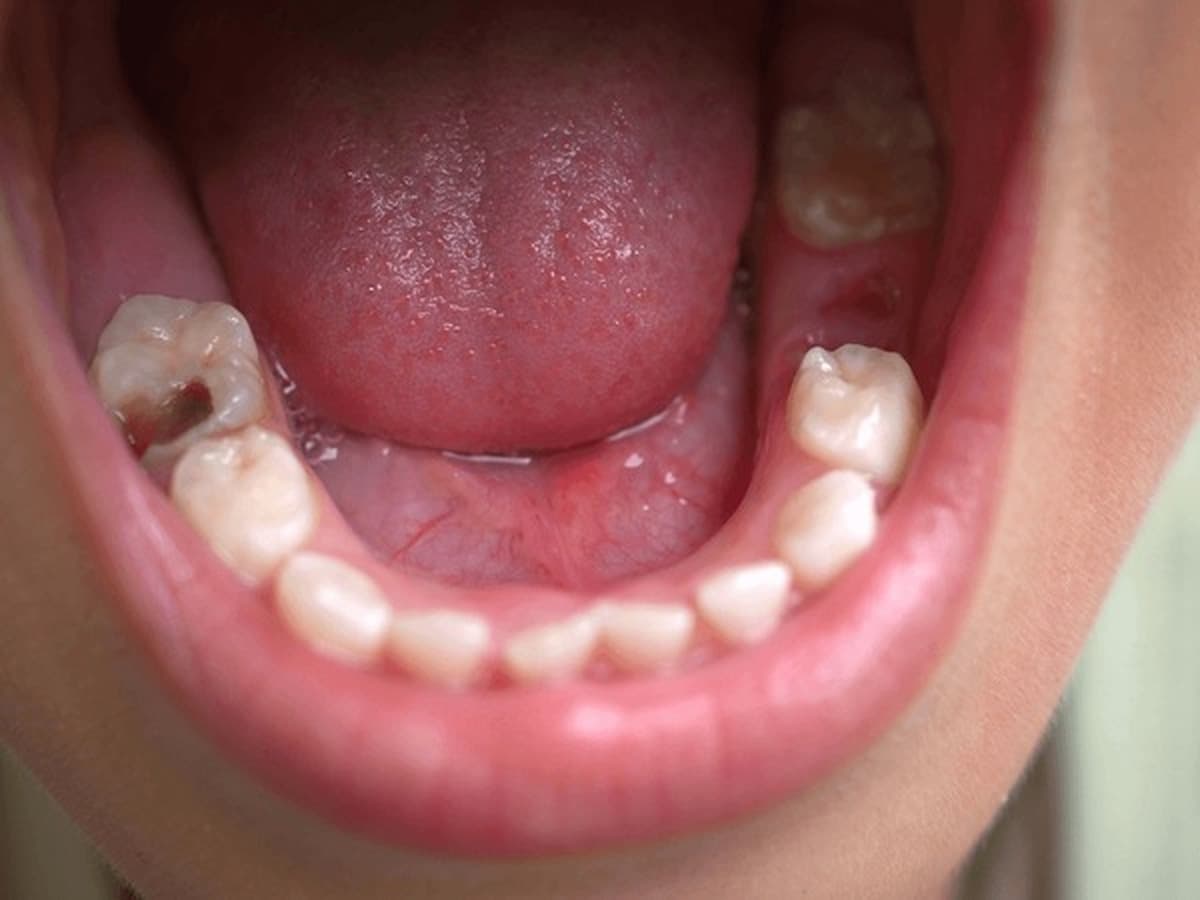
Stage 3: Dentin Decay
As decay progresses past the enamel, it reaches the dentin—the softer, more porous layer beneath. Dentin contains tiny tubules connected to your tooth’s nerves, which makes it more vulnerable and sensitive to bacterial attack.
People often begin experiencing noticeable discomfort at this stage, particularly when you consume hot, cold, or sweet foods. The enamel becomes larger and more obvious, sometimes making eating and chewing uncomfortable.

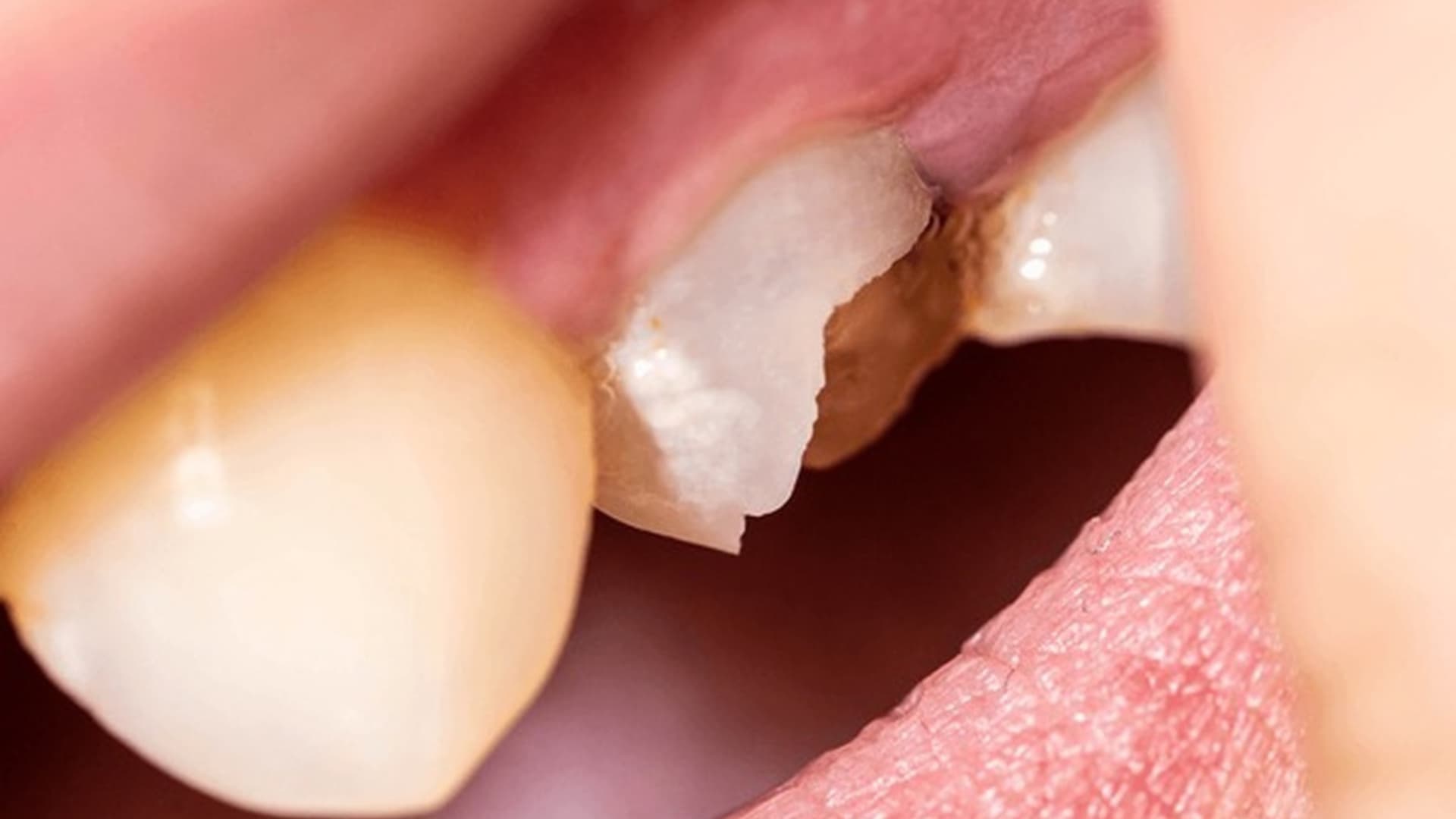
Stage 4: Pulp Damage (Pulpitis)
When decay reaches the pulp, the innermost part of the tooth, the damage becomes severe. The pulp houses blood vessels and nerves, and bacterial infection here leads to inflammation known as pulpitis.
This stage is often marked by intense, throbbing pain that may worsen at night or when biting down. Swelling may also appear in the surrounding of your gums as the infection takes hold.
Stage 5: Abscess Formation
The final and most dangerous stage occurs when your teeth infection spreads beyond the pulp and creates a pus-filled pocket, or abscess, near the root of the tooth. This can extend into the surrounding gums and jaw.
How to Stop Tooth Decay From Spreading
To prevent tooth decay from worsening, you need quick action and consistent daily care before the damage reaches deeper layers of your tooth.
- Improve Daily Oral Hygiene: Brush twice with fluoride toothpaste and floss daily to remove trapped food particles that feed decay-causing bacteria.
- Use Fluoride Products: Fluoride strengthens weakened enamel and helps reverse early-stage decay, especially when used regularly through toothpaste, gels, or mouth rinses.
- Limit Sugary & Acidic Foods: Reducing sweets, sodas, and acidic snacks prevents bacteria from producing acids that wear away enamel and accelerate decay.
- Increase Saliva Flow: Chew sugar-free gum or stay hydrated to maintain saliva, which naturally washes away acids and protects enamel.
- Opt for Early Dental Intervention: If you notice white spots, sensitivity, or surface roughness, professional fluoride treatment or sealants can stop decay from progressing.
- Fix Grinding Habits (Bruxism): Using a night guard prevents enamel wear, making teeth less vulnerable to bacteria and decay.
- Maintain Regular Dental Checkups: Routine visits help detect early decay and protect teeth before deeper layers are affected.
Difference Between Tooth Decay and Cavity
While many people use “tooth decay” and “cavity” interchangeably, understanding their difference is important for timely treatment. It is the ongoing process of damage, whereas a cavity is the visible result.
Recognizing these distinctions helps you take preventive steps early and seek professional care before serious problems develop.
| Aspect | Tooth Decay | Cavity |
| Definition | Overall process of enamel and dentin deterioration caused by bacterial acids. | The actual hole or structural damage that forms in the tooth due to decay. |
| Stage | Progressive damage before a visible hole forms. | Advanced stage of tooth decay where natural repair is no longer possible. |
| Reversibility | Early stages are reversible with proper oral care and fluoride use. | Cannot be reversed naturally; requires professional treatment like fillings or crowns. |
| Occurrence | Can occur in multiple areas of the teeth simultaneously. | Usually appears as a visible hole on the tooth surface. |
| Symptoms | Often painless in initial stages, making it easy to overlook. | Can lead to sensitivity, pain, and further complications if untreated. |
| Treatment Needed | Preventive care, fluoride, and improved oral hygiene. | Professional dental treatment, including fillings, crowns, or other restorations. |
| Appearance | May show slight discoloration or chalky patches in early stages. | Visible as brown, black, or discolored spots on the tooth surface. |
When to See a Dentist?
Knowing when to visit a dentist is crucial for preventing minor stage from turning into a serious dental problem. If you notice persistent discomfort, sensitivity, or visible changes in your teeth, it’s a clear sign that professional evaluation is needed. This is the initial stage among the stages of tooth decay. Early intervention helps stop decay from spreading deeper into the tooth layers, protecting both the enamel and inner structures.
You should schedule a dental checkup if you experience continuous pain while chewing, lingering sensitivity to hot or cold foods, dark spots on teeth, or a sudden bad taste in the mouth. Additionally, if food frequently gets stuck between teeth or you spot holes, chips, or surface roughness, visit your dentist promptly to avoid further damage.
Tooth Decay Treatment Options
The treatment for it totally depends on your stages of tooth decay how far it has progressed. Early detection allows for simpler, less invasive options, while advanced decay may require more extensive dental procedures.
For initial stages, fluoride treatments like gels, varnishes, or medicated toothpaste can help remineralize weakened enamel and stop early decay from progressing. These methods work best when the decay is limited to the outer enamel layer.
When decay reaches the dentin, cavities need to be removed, and the tooth is restored with dental fillings. Materials like composite resin, amalgam, or glass ionomer are commonly used to rebuild the tooth and prevent further bacterial damage.
If the decay affects the pulp, causing infection or inflammation, a root canal treatment may be required. This involves removing the infected pulp, cleaning the canals, and sealing them. A dental crown is often placed afterward to restore the tooth’s strength and function.
In severe cases where the tooth is extensively damaged, extraction may be necessary to prevent infection from spreading to surrounding teeth and tissues.
Professional treatment combined with good oral hygiene, healthy diet, and regular dental checkups ensures effective management of tooth decay and long-term oral health.
Tooth Decay: Myths and Facts
You may hear many misconceptions about tooth decay that can prevent proper care. Separating myths from facts helps you protect your teeth and maintain better oral health.
| Myth | Fact |
| Sugar-free foods don’t cause tooth decay. | Even sugar-free snacks can contain acids or fermentable carbs that feed bacteria and contribute to decay. |
| Only children get tooth decay. | Adults are equally prone, especially near gum lines, old fillings, or with dry mouth conditions. |
| Brushing harder prevents decay. | Brushing too hard can damage enamel and gums, making teeth more vulnerable to decay. |
| Tooth decay is always painful. | Early decay is often painless; sensitivity or pain usually appears only when enamel or dentin is affected. |
| Rinsing with water replaces brushing. | While rinsing helps remove debris, it cannot remove plaque or strengthen enamel like brushing with fluoride toothpaste. |
Conclusion
Tooth decay is a progressive dental issue that starts subtly but it can lead to severe complications if left untreated. By understanding the stages of tooth decay form initial demineralization stage to enamel breakdown, dentin decay, pulp infection, and finally dental abscess formation each and every phase highlights the importance of early detection. Recognizing the early signs, such as white or brown spots, tooth sensitivity, or bad breath, can prevent more serious damage and costly dental procedures.
But by maintaining proper oral hygiene, including brushing twice daily, flossing, and cleaning the tongue, forms the foundation of prevention. Limiting sugary and acidic foods, staying hydrated, using fluoride products, and chewing sugar-free gum all support enamel health and reduce bacterial growth.
Regular dental checkups allow professionals to detect early decay, provide treatments like fluoride applications, fillings, or root canal therapy when necessary, and guide you on personalized preventive care.
Awareness, consistent oral care, and timely dental intervention are key to keeping teeth strong, healthy, and decay-free. By adopting these habits, you can effectively stop it from spreading, protect your smile, and enjoy long-term oral health and confidence in everyday life.
Frequently Asked Questions
-
How to remove tooth decay yourself?
It cannot be removed at home but you can slow it by reducing sugar, using fluoride, improving hygiene, and visiting a dentist promptly.
-
How to get rid of tooth decay naturally?
Natural methods like oil pulling, xylitol, fluoride water, and a mineral-rich diet may slow early decay but cannot reverse completely.
-
How to cure tooth decay?
For curing this you need professional dental treatment like fillings, fluoride applications, or root canal therapy is the only way to cure decay once already has formed.
-
What are the stages of tooth decay white spots on teeth?
White chalky spots are the earliest signs of enamel mineral loss, indicating initial tooth decay and requiring quick fluoride care and improved oral hygiene.
-
What is the dental decay process?
Tooth decay starts with enamel demineralization, advances to dentin damage, and eventually reaches the pulp, leading to infection, inflammation, and possible abscess formation.
-
What are 5 ways to prevent tooth decay?
Limiting sugar, staying hydrated, brushing properly with fluoride, maintaining daily flossing, and visiting the dentist time to time for preventing.
