


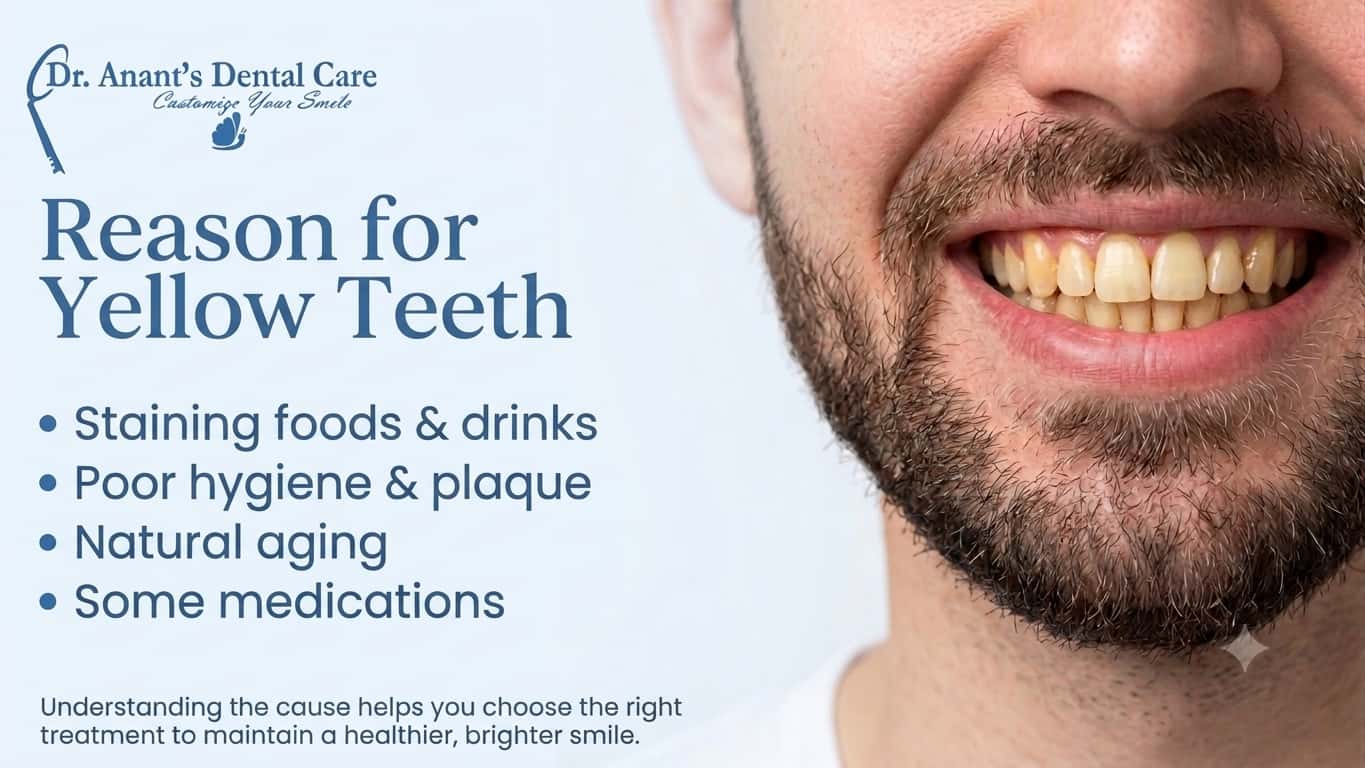
Yellow teeth are one of the most common dental concerns that affect you of all ages. While they are often seen as a cosmetic issue, the reason for yellow teeth is not always poor brushing. Factors such as ageing, smoking, certain foods and drinks, medications and thinning tooth enamel can all contribute to tooth discolouration.
According to the study oral diseases affect around 3.5 billion people worldwide and poor oral hygiene remains one of the leading causes of dental problems. Yellow teeth can affect both men and women, although studies suggest that men may experience more staining due to higher rates of tobacco use and certain lifestyle habits.
Quick Takeaways
- Common causes: Plaque, tartar, staining, tobacco, ageing and enamel wear can make teeth appear yellow.
- Treatment varies: Cleaning removes surface deposits, while whitening may lighten suitable natural teeth.
- Advanced options: Bonding or veneers may be considered for discolouration that does not respond to conservative treatment.
- Prevention helps: Good oral hygiene and limiting staining foods, drinks and tobacco can reduce new surface stains.
- See a dentist: Seek advice if one tooth suddenly changes colour or discolouration occurs with pain, sensitivity or swelling.
Table of Contents
Are Yellow Teeth Normal?
Slightly yellow teeth can be completely normal. Healthy natural teeth are not always bright white, and their shade varies from person to person.
The outer layer of a tooth, called enamel, is partly translucent. Beneath it is dentine, which naturally has a yellowish colour. People with thinner or more translucent enamel may therefore have teeth that appear more yellow, even when they maintain good oral hygiene.
Teeth can also become gradually darker with age as the enamel becomes thinner and the dentine changes. This natural colour variation does not necessarily indicate poor oral health.
However, yellow deposits near the gumline, persistent staining or a sudden colour change in one tooth may require a dental examination. A dentist can determine whether the yellow appearance is natural or caused by plaque, tartar, enamel wear, decay or another dental concern.
Common Reasons for Yellow Teeth
Yellow teeth can develop because of surface staining, changes within the tooth or a combination of both. Identifying the reason for yellow teeth is important because different causes require different treatments.
Plaque and Tartar Buildup
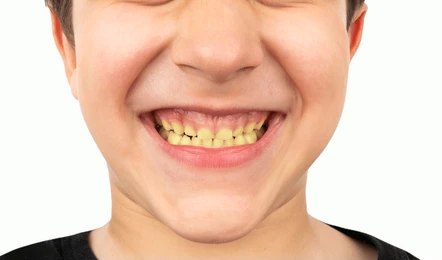
Plaque is a sticky film of bacteria that continually forms on the teeth. When it is not removed through regular brushing and interdental cleaning, it can collect pigments from food, drinks and tobacco, making the teeth look dull or yellow.
Over time, plaque can harden into tartar, also called dental calculus. Tartar commonly appears yellow or brown, particularly near the gumline and between the teeth. Unlike plaque, it cannot be removed by ordinary brushing and requires professional dental cleaning.
Plaque and tartar buildup can also contribute to bleeding gums, bad breath, tooth decay and gum disease.
Foods and Drinks
Strongly pigmented foods and drinks can gradually stain the enamel. Common examples include:
- Tea and coffee
- Red wine
- Cola and other dark soft drinks
- Berries
- Tomato-based sauces
- Soy sauce
- Strongly coloured spices
Frequent exposure increases the likelihood of staining, especially when oral hygiene is inadequate. Acidic foods and drinks may also soften or wear the enamel over time, allowing the yellower dentine beneath it to become more noticeable.
Rinsing with water after consuming staining foods or drinks can help reduce the time pigments remain in contact with the teeth.
Smoking and Tobacco Use
Smoking, chewing tobacco and other tobacco products are common causes of external tooth staining. Tar and nicotine can collect on the enamel, initially producing yellow stains that may become brown with continued use.
Tobacco-related staining can be difficult to remove with brushing alone. Tobacco use also increases the risk of gum disease, delayed healing, persistent bad breath and oral cancer. Stopping tobacco use can prevent further staining and provide substantial benefits for oral and general health.
Ageing and Natural Tooth Colour
Teeth often become more yellow with age. Years of chewing, brushing and exposure to acidic foods and drinks can gradually thin the enamel. As the enamel becomes thinner or more translucent, the naturally yellow dentine underneath becomes more visible.
Dentine may also become darker over time. Consequently, even well-maintained teeth can appear less white as a person grows older.
Natural tooth colour also varies. Some people have darker dentine or more translucent enamel because of inherited characteristics. In these cases, yellowish teeth may be healthy rather than stained.
Enamel Wear
Enamel protects the underlying dentine and contributes to the lighter appearance of teeth. When enamel becomes thin or worn, more of the yellow dentine shows through.
Possible causes of enamel wear include:
- Frequent consumption of acidic food and drinks
- Acid reflux or repeated vomiting
- Teeth grinding
- Aggressive brushing
- Using a hard-bristled toothbrush
- Certain environmental or medical factors
Enamel that has been lost does not grow back naturally. Treatment therefore focuses on controlling the cause, protecting the remaining tooth structure and restoring affected areas when necessary.
Medication-Related Discolouration
Certain medications can be a reason for yellow teeth or other types of tooth discolouration. Tetracycline antibiotics taken while permanent teeth are developing may cause yellow, brown or grey internal stains. The severity and pattern can vary according to the medicine, dosage and stage of tooth development.
Some medicines and prescribed mouthrinses may also contribute to external staining or dry mouth. Reduced saliva can allow plaque and pigments to accumulate, making yellow teeth more noticeable.
Medication-related tooth discolouration should be assessed by a dentist because it may not respond to ordinary whitening products. Do not discontinue prescribed medication without first consulting the healthcare professional who prescribed it.
Fluorosis and Enamel-Development Conditions
Dental fluorosis occurs when a child consumes excessive fluoride while the permanent teeth are developing. It may produce white lines or patches and, in more pronounced cases, uneven yellow or brown areas.
Other developmental conditions can affect the quality, thickness or mineral content of enamel. Affected teeth may appear cream, yellow or brown and can sometimes be more sensitive or vulnerable to wear and decay.
The appearance and severity of these conditions vary considerably. A dental examination is needed to distinguish developmental changes from ordinary surface staining and determine whether treatment is required.
Tooth Decay or Injury
Tooth decay can cause white, yellow, brown or black areas depending on its location and stage. Discolouration associated with a cavity may also occur with sensitivity, pain, a visible hole or food becoming trapped around the tooth.
An injury can damage the blood vessels and pulp inside a tooth. The affected tooth may gradually become yellow, brown or grey, sometimes months or years after the incident. A sudden colour change in one tooth is therefore different from the gradual yellowing of several teeth.
If one tooth changes colour, particularly following an injury or alongside pain, swelling or sensitivity—arrange a dental examination. Whitening the tooth without identifying the cause could delay necessary treatment.
Types of Tooth Discolouration
The reason for yellow teeth may involve extrinsic discolouration, intrinsic discolouration or a combination of both. Identifying the type and underlying cause helps determine whether professional cleaning, teeth whitening or another treatment is likely to be effective.
Extrinsic or Surface Discolouration
Extrinsic discolouration develops on the enamel and is commonly caused by plaque, tartar, tobacco, tea, coffee and other pigmented foods or drinks. Mild stains may improve with good oral hygiene or whitening toothpaste, while stubborn stains may require professional cleaning.
Intrinsic or Internal Discolouration
Intrinsic discolouration occurs within the enamel or dentine. Possible causes include ageing, medication, excessive fluoride exposure, enamel-development conditions, decay or tooth injury.
Professional cleaning cannot remove internal stains. Depending on the cause, treatment may involve dentist-supervised whitening, bonding, veneers or treatment of the affected tooth.
Yellow Teeth Treatment Options
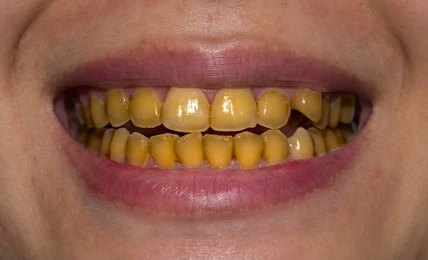
The right treatment depends on the reason for yellow teeth and the type of discolouration. After examining your teeth and gums, the dentist may recommend:
- Dental veneers: May conceal severe or persistent discolouration that does not respond to conservative treatments. Veneers are normally considered only after less invasive options have been assessed.
- Professional dental cleaning: Removes plaque, tartar and certain surface stains but does not change the natural colour of teeth.
- Dentist-supervised teeth whitening: Lightens suitable natural teeth affected by staining or ageing. It does not whiten fillings, crowns or veneers.
- Dental bonding: Uses tooth-coloured composite material to conceal localised stains, minor chips or enamel defects.
When Is a Dental Crown Required?
A dental crown is not a routine treatment for yellow teeth and should not be used simply to change the colour of an otherwise healthy tooth.
A crown may be recommended when a discoloured tooth is also severely decayed, cracked, weakened, heavily filled or damaged by an injury. In these situations, the crown covers the tooth to restore its strength and function while also improving its appearance.
How to Prevent Surface Staining
You can reduce new surface stains with good oral hygiene and simple daily habits:
- Brush twice daily with fluoride toothpaste and clean between your teeth once a day.
- Limit tea, coffee, red wine, tobacco and other staining substances.
- Rinse your mouth with water after consuming strongly coloured foods or drinks.
- Wait about 30 minutes before brushing after acidic foods or beverages.
- Avoid charcoal, lemon and other abrasive DIY whitening remedies.
- Visit your dentist regularly for examinations and professional cleaning when required.
These steps can help maintain your natural tooth shade, but they cannot remove discolouration from within the tooth.
Can Yellow Teeth Become White Again?
Yellow teeth can often be made lighter, but the possible improvement depends on the underlying cause. Surface stains may improve with professional cleaning, while natural or age-related yellowing may respond to dentist-supervised whitening.
Discolouration caused by medication, enamel defects, existing restorations or damage inside a tooth may not respond to standard whitening. In these cases, bonding, veneers or another appropriate treatment may be considered following a dental examination.
Healthy teeth are not always bright white, and their natural shade varies from person to person. Rather than choosing treatment based only on colour, the dentist will consider your oral health, the cause of the discolouration and your expectations before creating a personalised treatment plan.
If one tooth suddenly turns yellow, brown, grey or black or the colour change is accompanied by pain, sensitivity, swelling or visible damage, schedule a dental examination instead of attempting to whiten it at home.
When Should You Visit a Dentist?
Yellow teeth are not always a dental problem. However, you should visit a dentist if:
- One tooth suddenly becomes yellow, brown, grey or black.
- Discolouration occurs with pain, sensitivity or swelling.
- You notice cavities, cracks or unusual spots on a tooth.
- Your gums are swollen, painful or bleed regularly.
- Stains remain despite maintaining good oral hygiene.
- You are considering professional whitening or another cosmetic treatment.
A dental examination can identify the cause of the colour change and help determine the safest and most suitable treatment.
Conclusion
Yellow teeth are not always a sign of poor oral hygiene, but they should never be ignored. The reason can vary from everyday habits and ageing to underlying dental or medical conditions. Identifying the exact cause is the first step towards choosing the right treatment and preventing further discolouration.
The good news is that most cases of yellow teeth can be improved with proper oral hygiene, healthy lifestyle changes, professional dental cleaning or teeth whitening. In some situations, treatments such as bonding, veneers or crowns may provide the best results.
If your teeth remain yellow despite good oral care or you experience symptoms such as pain, sensitivity or swollen gums, it is important to visit a dentist for a proper evaluation. Understanding the reason for yellow teeth and taking timely action can help you maintain a brighter smile, healthier teeth and better oral health for years to come.
FAQs
-
Can yellow teeth become white again?
Yes, many cases of yellow teeth can be improved through professional cleaning, teeth whitening or cosmetic treatments. The results depend on whether the stains are on the surface or deep within the tooth.
-
Is yellow teeth a sign of poor oral hygiene?
Not always. While poor brushing and plaque buildup can cause yellow teeth, ageing, genetics, medications and enamel wear may also change the natural colour of your teeth.
-
How can I remove yellow stains from my teeth?
Mild stains may improve with good oral hygiene and professional cleaning. For stubborn discolouration, your dentist may recommend whitening treatment, bonding, veneers or other cosmetic procedures.
-
Can smoking make teeth yellow?
Yes, smoking is one of the leading causes of tooth staining. Tar and nicotine stick to the enamel, causing yellow or brown stains that become darker with continued tobacco use.
-
What is the reason for yellow teeth?
The reason can vary from poor oral hygiene, plaque and tartar buildup, smoking, ageing, staining foods and drinks, certain medications or thinning enamel. Identifying the exact cause helps your dentist recommend the most suitable treatment for a healthier, brighter smile.
-
Can smoking make teeth yellow
Yes, smoking can make your teeth yellow. Tar and nicotine in tobacco products stick to the tooth enamel, causing yellow or brown stains over time. Smoking also increases plaque buildup and the risk of gum disease, making tooth discolouration more noticeable.
